
Hyundai Trailers For Sale in New York
Shop Hyundai trailers for sale in New York, including 53-foot dry van trailers with tandem axles, sliding tandems, air ride or spring suspension.

Selling a hyundai trailer? List your hyundai trailer for sale and reach thousands of commercial buyers.
Hyundai Trailers in New York
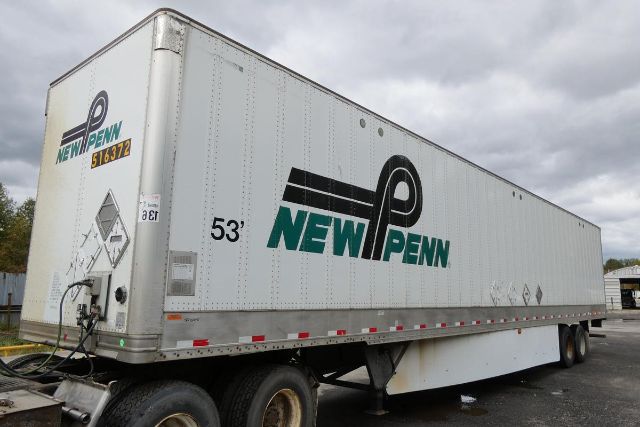
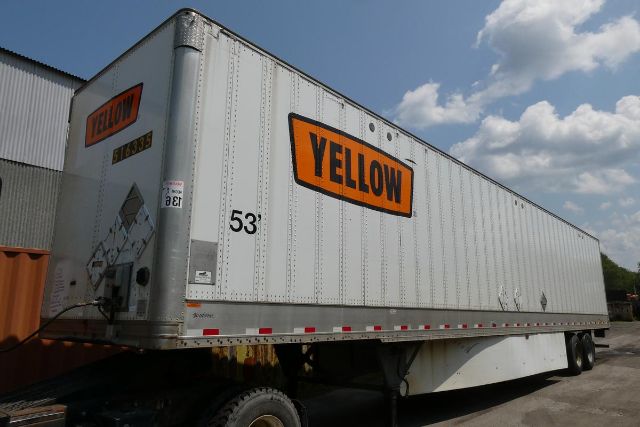
A typical Hyundai dry van, also known as a van trailer or enclosed freight trailer, is built for palletized freight, retail distribution, general dry goods, and dedicated route work. Common features include scuff liners or scuff plate, threshold plates, logistics posts, E-track, plywood lining, side skirts, and front or rear vents. Suspension can vary between spring ride and air ride, and that choice matters. Air ride generally protects freight better and is often preferred in dedicated shipper freight, while spring ride remains simpler and can be less expensive to maintain. Sliding tandem configurations are especially important for operators running the Northeast, where bridge law compliance, dock positioning, and axle spread flexibility can affect day-to-day usability.
When evaluating Hyundai trailers for sale, structural details matter more than cosmetic appearance. Check the roof bows, front wall, upper coupler area, rear sill, and door frame for impact damage, corrosion, or signs of repeated heavy loading. On dry vans with roll-up doors, inspect door balance, track wear, and opening height if forklift access is critical. Wood floors should be checked for rot, delamination, excessive plate repairs, and fastener pull-through, especially near the rear where concentrated forklift traffic does the most damage. Tire size, wheel type, brake condition, and hub spec should also line up with the rest of your fleet to keep maintenance simple.
Hyundai trailers are widely used because parts support, resale familiarity, and standard fleet specs make them relatively straightforward to put to work. In New York and surrounding lanes, aerodynamic equipment such as side skirts can help on highway freight, but clearance, damage exposure, and seasonal road conditions should still be considered. Buyers running urban delivery, drop-and-hook freight, or warehouse shuttle work should compare inside height, door style, landing gear condition, and tandem slider operation just as closely as age and mileage. A well-maintained Hyundai van trailer can be a practical fit for regional haul, linehaul, and distribution service if the structure, running gear, and loading interface match the freight profile.
Frequently Asked Questions about Hyundai Trailers in New York
What types of Hyundai trailers are most common on the used market?
The most common Hyundai trailers on the used market are 53-foot dry van trailers. These are usually 102 inches wide with tandem axles, a 68,000 lb GVWR, and aluminum-steel construction. Many are equipped with sliding tandems, wood floors, logistics posts, scuff liners, and either swing doors or roll-up doors. Hyundai also builds other trailer types, but dry vans are the most frequently seen in general freight and fleet turnover channels.
Is air ride or spring ride better on a Hyundai dry van trailer?
Air ride is generally preferred when freight protection and ride quality matter, especially for retail, packaged goods, and dedicated contract freight. Spring ride is simpler and often less expensive to maintain, which can make sense for tougher route applications or cost-sensitive operations. The better choice depends on cargo type, road conditions, and how standardized you want maintenance to be across the fleet.
What should I inspect first on a used Hyundai trailer?
Start with the structural areas that are expensive to repair or that affect safety and loading performance. Focus on the upper coupler assembly, crossmembers, floor condition, rear frame, door frame, roof, and front wall. Then inspect the tandem slider rails, suspension, brakes, tires, wheels, and lighting. Cosmetic appearance matters less than structural soundness, running gear condition, and whether the trailer's spec matches your lane and dock requirements.
Why do sliding tandems matter on a 53-foot Hyundai van trailer?
Sliding tandems help with axle weight distribution, bridge law compliance, and dock positioning. In regions such as the Northeast, they are especially useful because route restrictions, customer yards, and state-by-state axle rules can make a fixed tandem less flexible. A sliding tandem also gives dispatch and drivers more options when balancing payloads and handling different shipper requirements.
Are Hyundai dry van trailers good for fleet operations?
Hyundai dry vans are widely accepted in fleet service because they use familiar specifications, common parts, and straightforward trailer designs. That makes them easier to maintain, easier to match with existing tractors, and easier to redeploy across general freight, regional haul, and drop-and-hook operations. The real value depends on the individual trailer's condition, maintenance history, and how well its doors, floor, suspension, and axle setup fit the intended work.