
2016 Hyundai Trailers For Sale in New York
Browse 2016 Hyundai trailers for sale, including 53-foot dry vans with sliding tandems, logistics posts, side skirts, and aluminum-steel construction.
Learn more
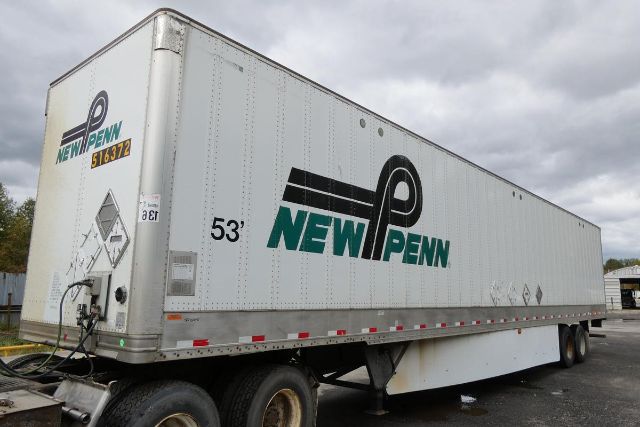
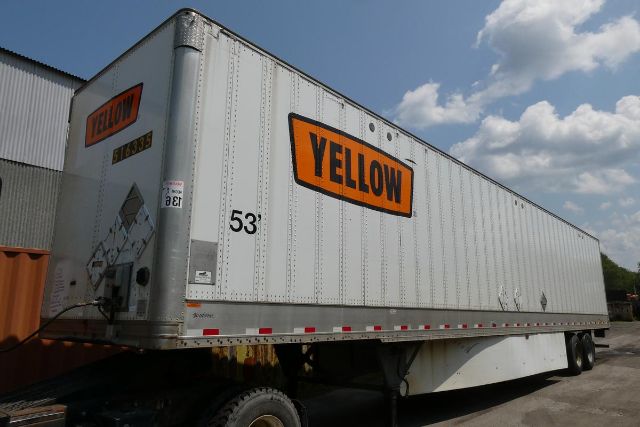
Have 2016 hyundai trailer to sell? List it here to reach thousands of buyers.
About 2016 Hyundai Trailers in New York
Construction details matter on a 2016 unit. Many Hyundai vans from this period use an aluminum and steel composition with an aluminum roof, steel substructure, wood floor over steel crossmembers, and galvanized rear framing or door surround. Typical dimensions are 53 feet long, 102 inches wide, and legal exterior height around 13 feet 6 inches, with inside height often in the 8 foot 6 inch to 8 foot 9 inch range depending on spec. GVWR is commonly 68,000 pounds, and empty weight often falls in the mid-15,000-pound range depending on suspension, side skirts, door style, and logistics equipment. Common running gear includes air ride or spring suspension, 22.5-inch wheels, and closed tandem slider setups.
For a buyer comparing listings, the highest-value inspection points are floor wear, crossmember condition, rear frame integrity, roof bows, side panel repairs, and tandem slide operation. A dry van that spent years in dense Northeast freight lanes may show more dock damage, threshold wear, and scuff liner abuse than a comparable highway-only trailer. Side skirts can improve fuel performance but should be checked for cracked mounts and missing panels. Roll-up doors are useful in city P&D and tight dock environments, while swing doors are simpler, lighter, and often preferred for linehaul dry van work. If the trailer is logistics equipped, confirm the track or post system is intact and not torn out around high-stress load points.
Hyundai trailers from 2016 remain a practical choice for fleets and owner-operators that want a standard-spec van with broad serviceability. Brake type, tire size, wheel condition, hub style, and suspension design should all be reviewed against your maintenance program and lane profile. In New York and the broader Northeast, corrosion around the rear frame, slider, and landing gear is especially important, along with DOT lighting, ABS function, and air system condition. A clean 2016 Hyundai van can still be a strong revenue trailer if the structure is straight, the floor is solid, and the running gear matches the work.
Frequently Asked Questions
What are the most common specs on a 2016 Hyundai dry van trailer?
Most 2016 Hyundai dry vans are 53 feet long, 102 inches wide, and built with aluminum and steel construction. Common specs include a wood floor over steel crossmembers, sliding tandem axles, air brakes, and either air ride or spring suspension. Many units also have logistics posts, scuff liners, side skirts, and either swing or roll-up rear doors. GVWR is typically around 68,000 pounds, with empty weight varying by equipment package.
Is a 2016 Hyundai trailer a good fit for general freight?
Yes. A 2016 Hyundai dry van is a standard general freight trailer suited for palletized goods, retail freight, packaged products, and dedicated contract freight. The platform is common enough that parts, service knowledge, and repair options are widely available. The key is not the age alone but the trailer's structural condition, floor life, door function, and tandem and suspension wear.
What should I inspect first on a used 2016 Hyundai trailer?
Start with the floor, rear frame, roof, and tandem slider. Floor rot, broken boards, and damaged crossmembers can turn a lower-priced trailer into an expensive repair. Check the rear threshold, hinges, door seals, and frame for dock impact damage. Then inspect suspension components, brake condition, tire wear patterns, wheel ends, and signs of corrosion around the slider box, landing gear, and underside.
Are side skirts on a 2016 Hyundai trailer worth having?
Side skirts can be valuable for fleets focused on fuel economy, especially in steady highway service. They may offer aerodynamic benefit, but the buyer should inspect the mounting brackets, fasteners, and panel condition closely. Damaged skirts are common on used dry vans that have seen rough yards or tight loading environments, so condition matters more than simply having them installed.
What is better on a 2016 Hyundai van, swing doors or a roll-up door?
That depends on the operation. Swing doors are generally lighter, simpler, and easier to maintain, which makes them popular for linehaul and standard dock freight. Roll-up doors can be useful in urban delivery or tight dock settings because they do not swing into the loading area, but they add complexity and can reduce a small amount of interior rear clearance. Buyers should match the door style to their freight and dock environment.