
Trailers For Sale Near Hutchins, Texas
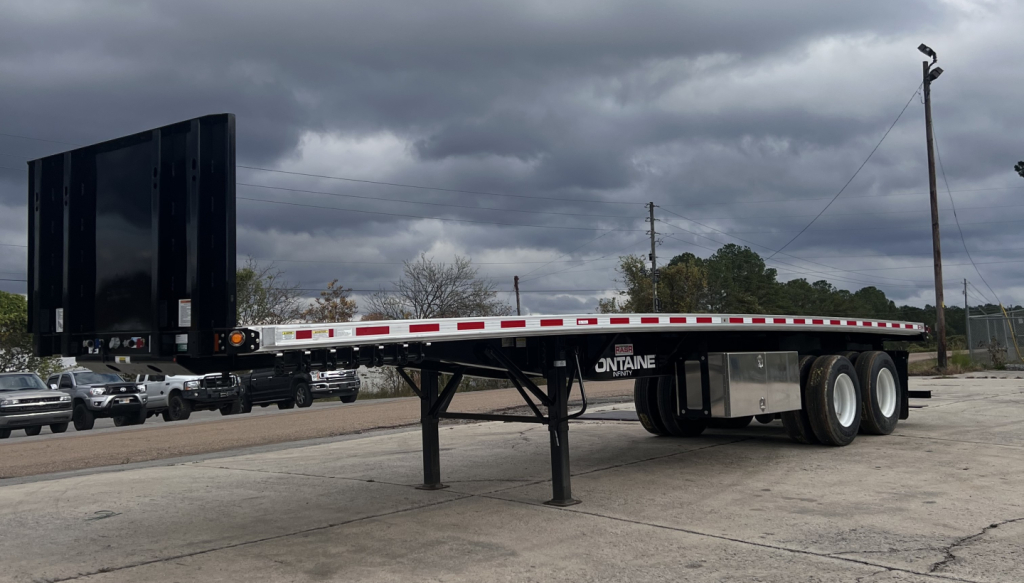
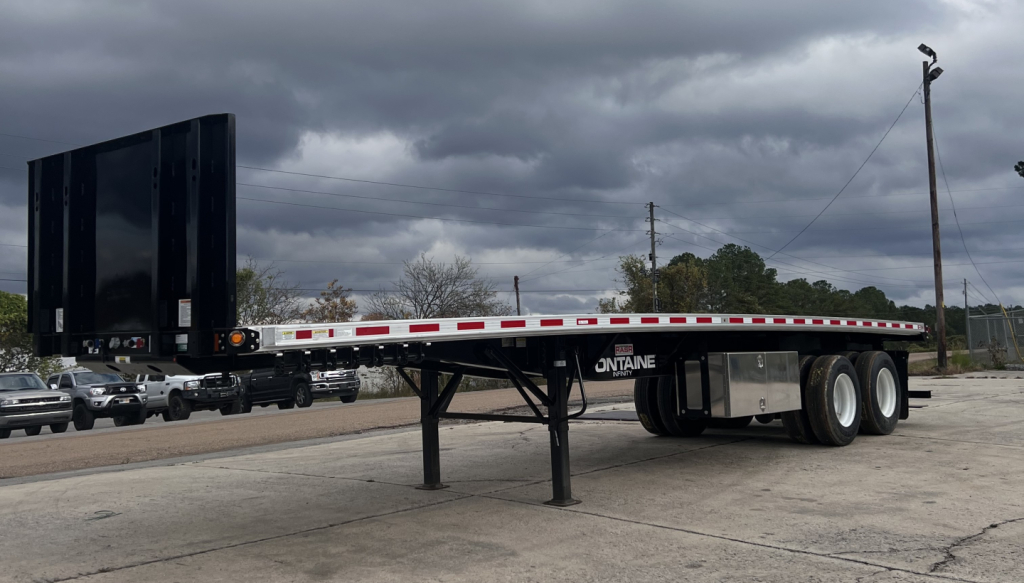
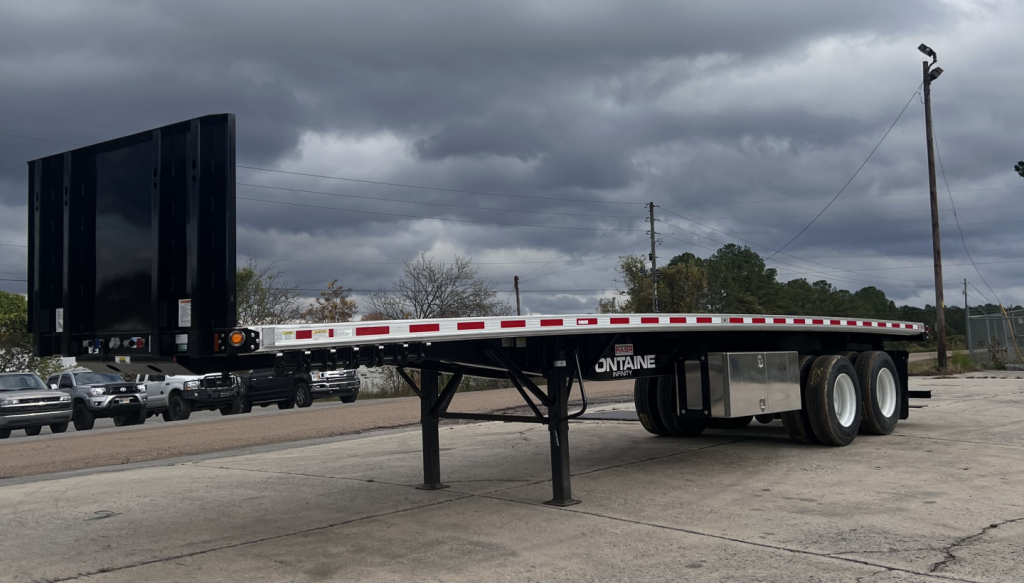
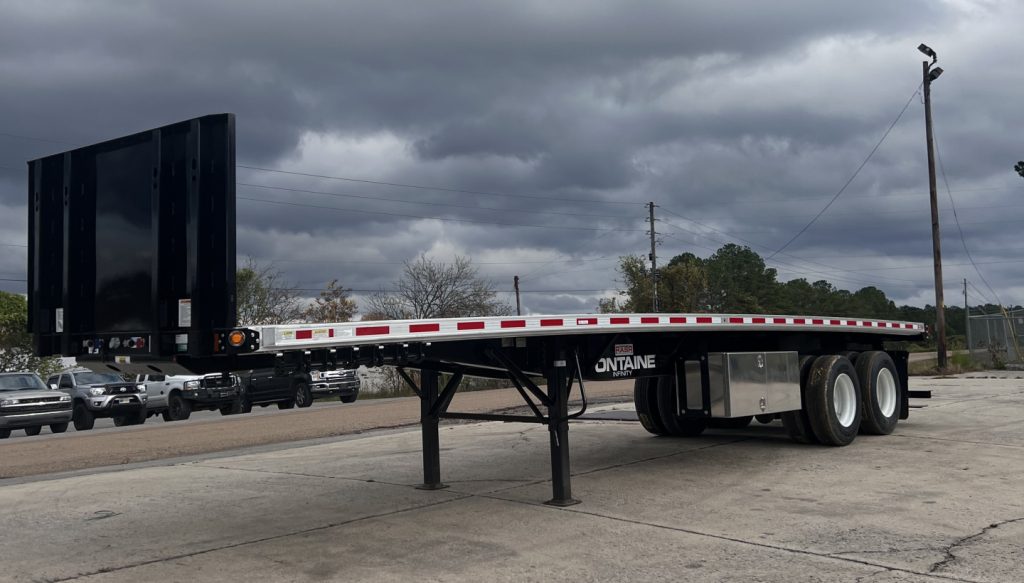
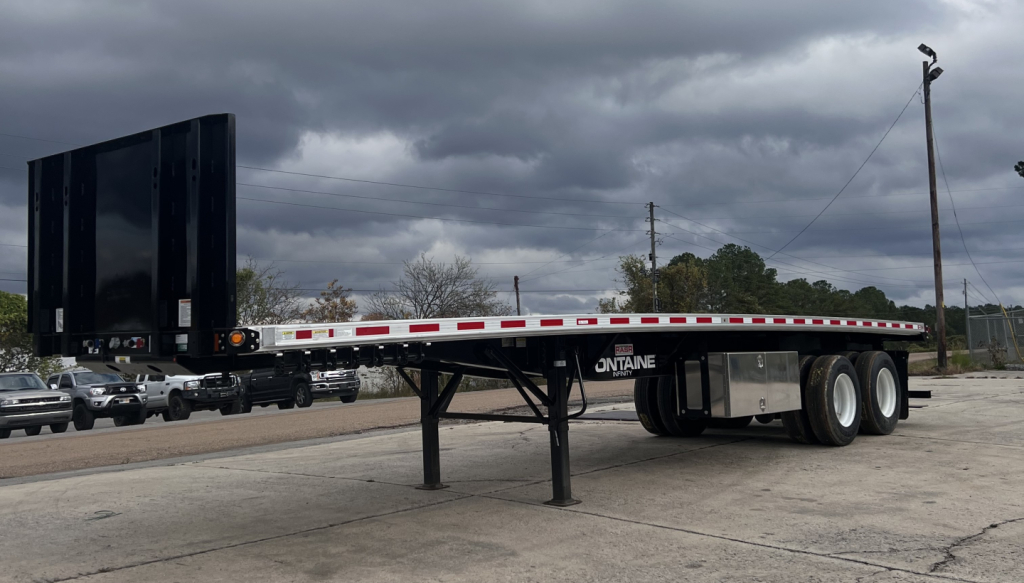
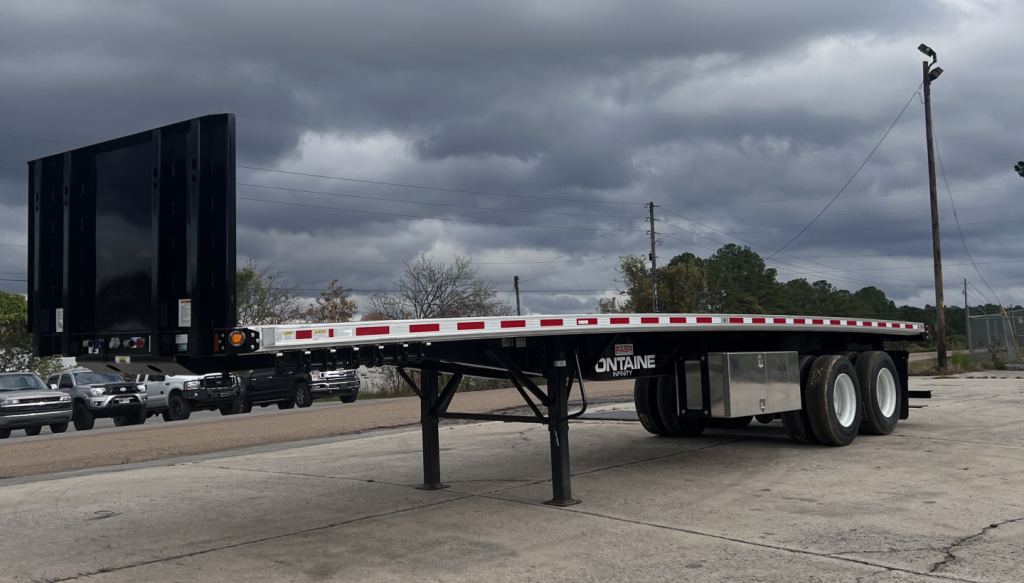
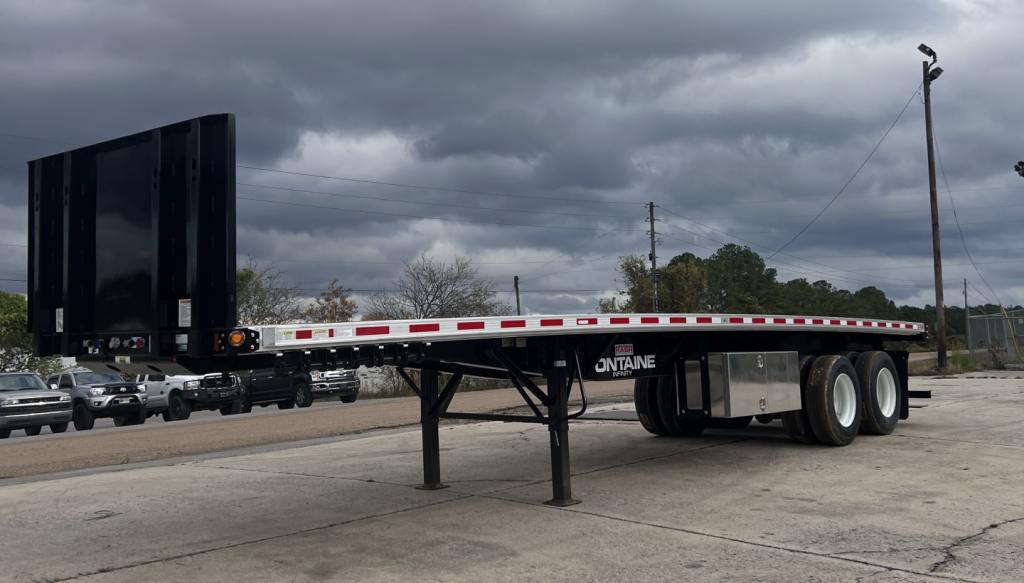
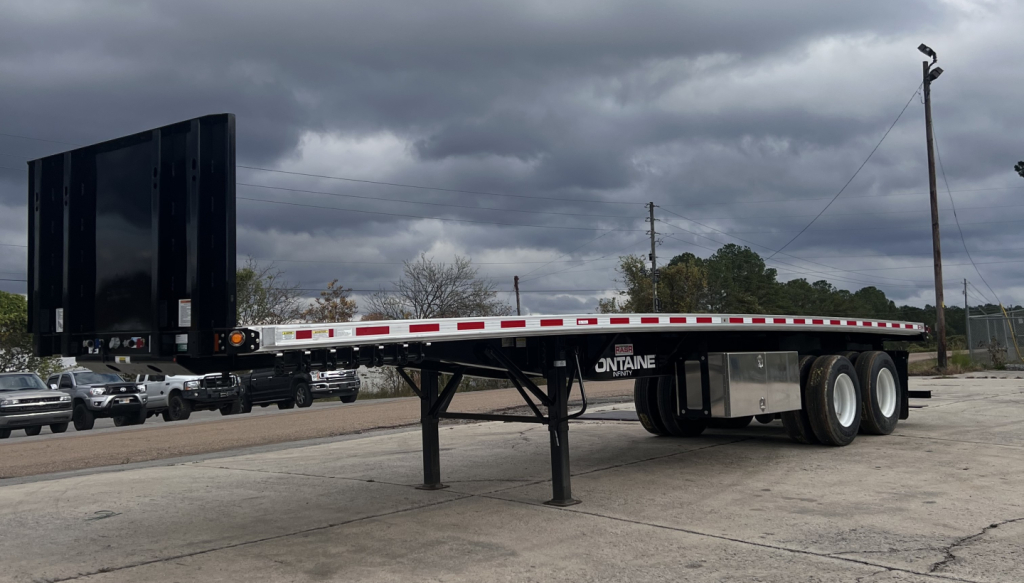
Have trailer to sell? List it here to reach thousands of buyers.
Trailers Near Hutchins, Texas
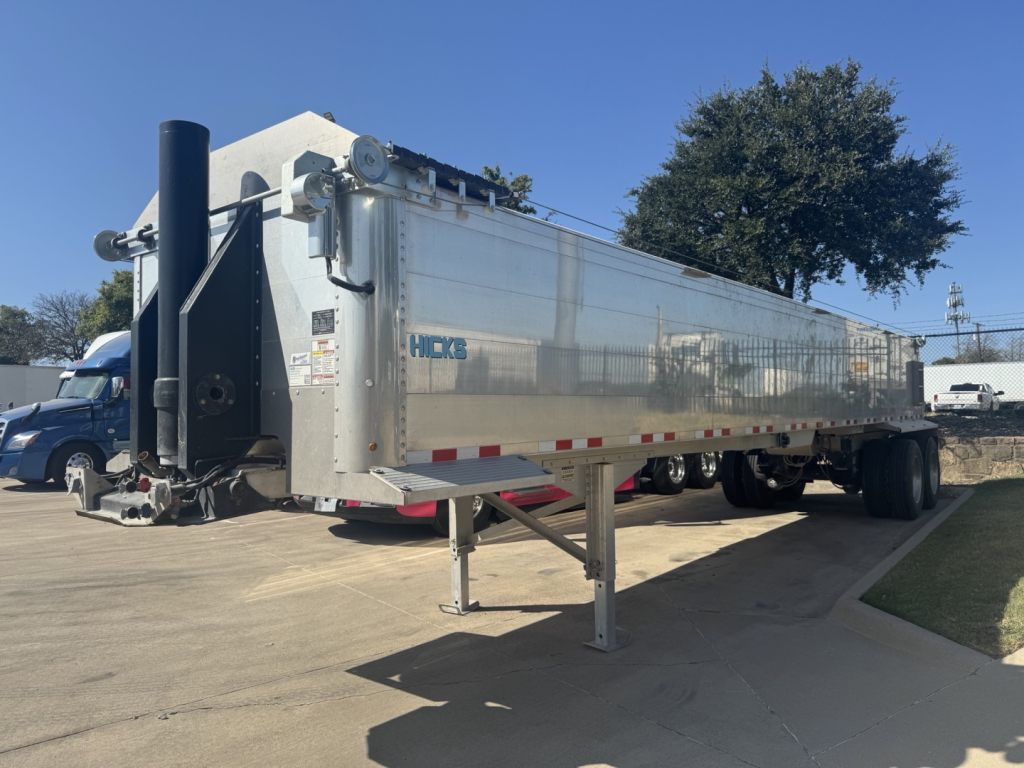
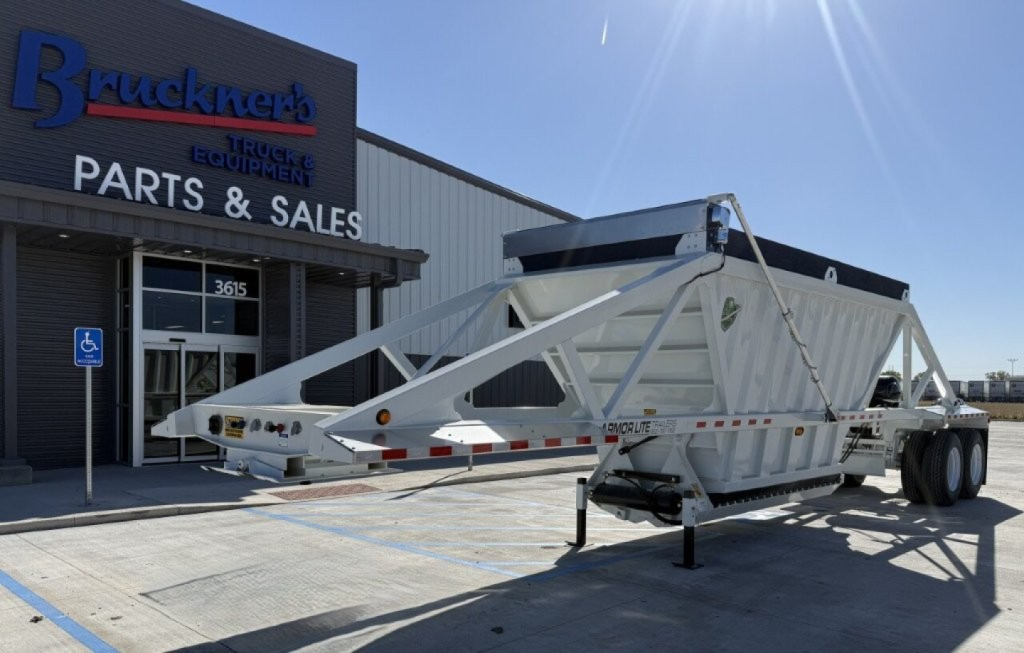
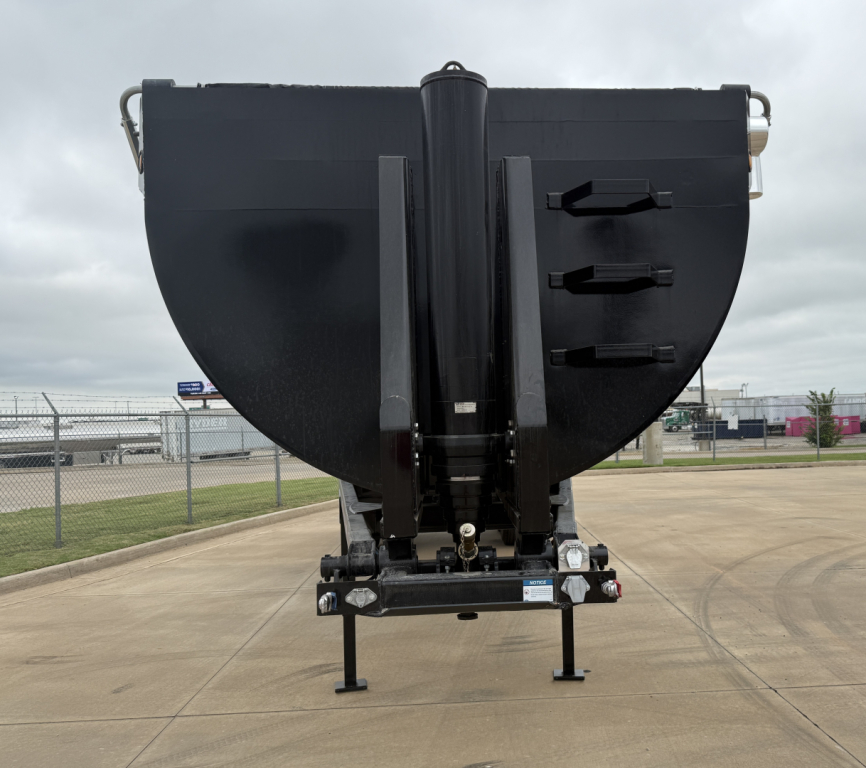
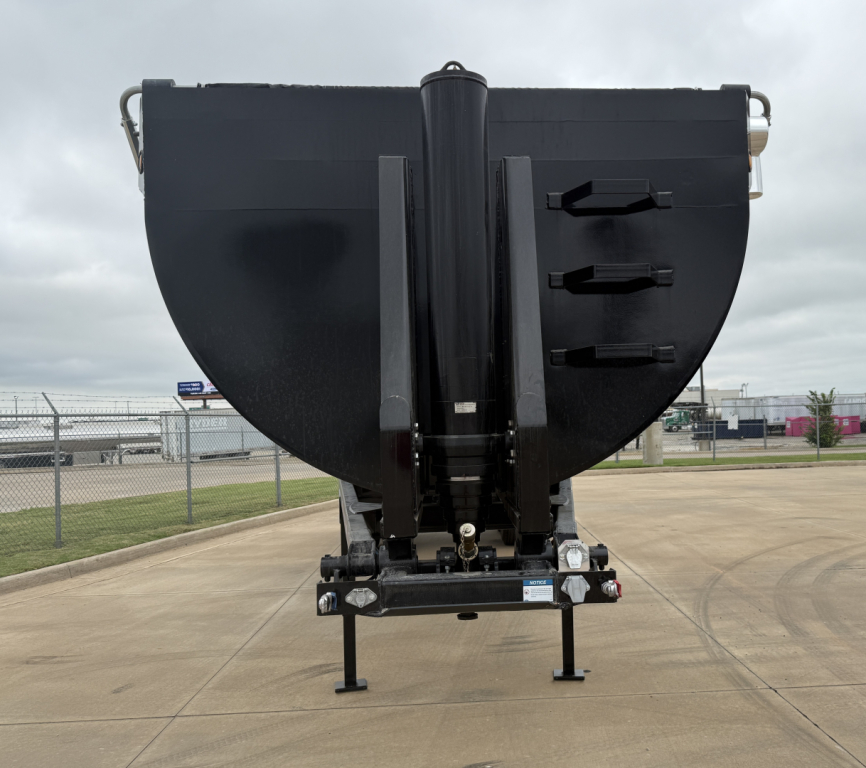
For dump trailers, the big split is typically steel versus aluminum and frameless versus frame-type construction. Aluminum end dumps reduce tare weight and help maximize legal payload for sand, gravel, and other bulk commodities, while steel bodies are better suited for abrasive or high-impact materials such as scrap, asphalt millings, and demolition debris. Common buyer checkpoints include cubic yard capacity, sidewall height, liner thickness, hoist design, gate style, dump angle, and suspension type. Features like electric tarp systems, top-hinge or barn-door gates, lift axles, tire inflation systems, scuff-resistant liners, and bolt-on fenders can make a major difference in daily uptime and ease of use. If the work involves uneven ground or transfer stations, suspension design and dump stability deserve close attention.
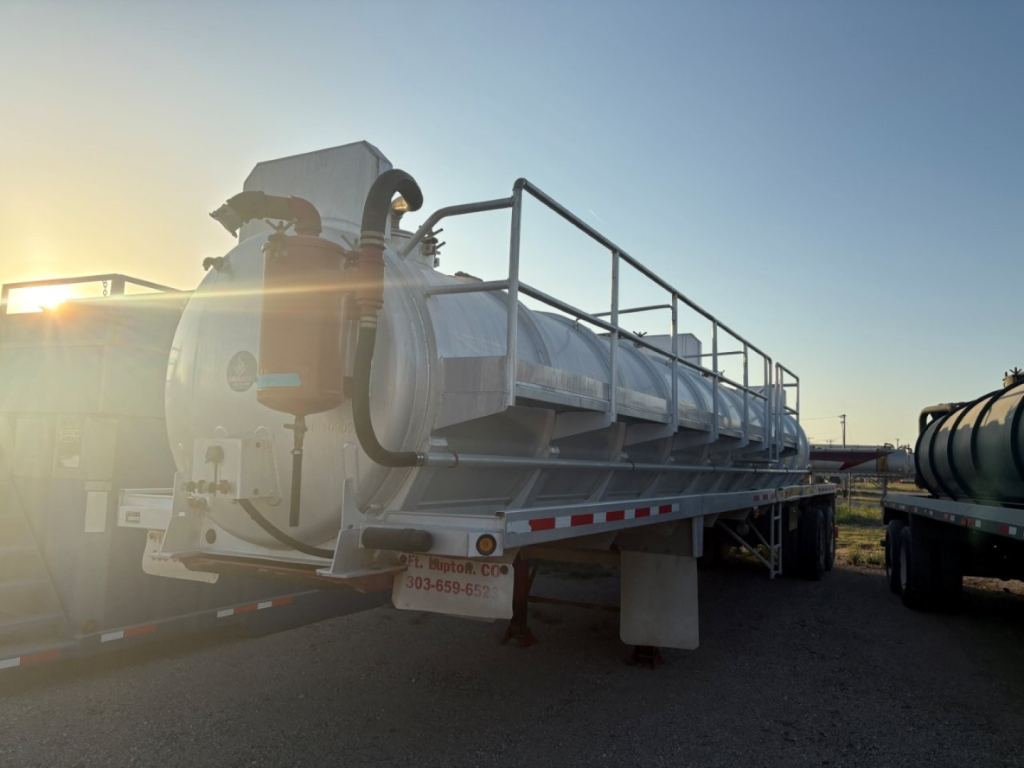
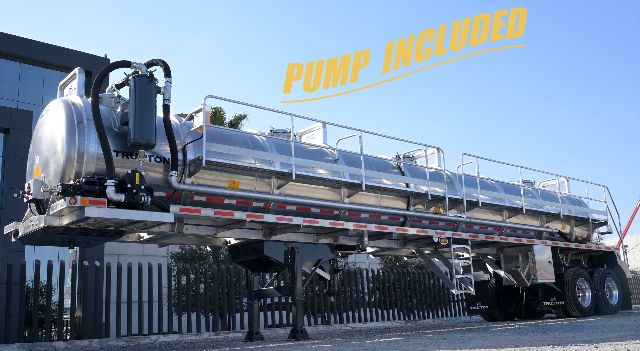
Vacuum trailers are a different category entirely and are commonly used in oilfield service, environmental cleanup, septic, industrial maintenance, and non-hazardous liquid waste hauling. Key specifications include barrel or gallon capacity, shell material, pressure and vacuum rating, pump setup, baffle layout, valve configuration, walkway and ladder safety equipment, and whether the trailer is code or non-code. Aluminum construction helps reduce empty weight and corrosion concerns, while the sub-chassis, kingpin plate, landing gear, and brake system still need to be spec'd for hard service. Buyers should also look closely at rear discharge layout, relief protection, sight glass arrangement, hose handling, and hydraulic requirements for the pump package.
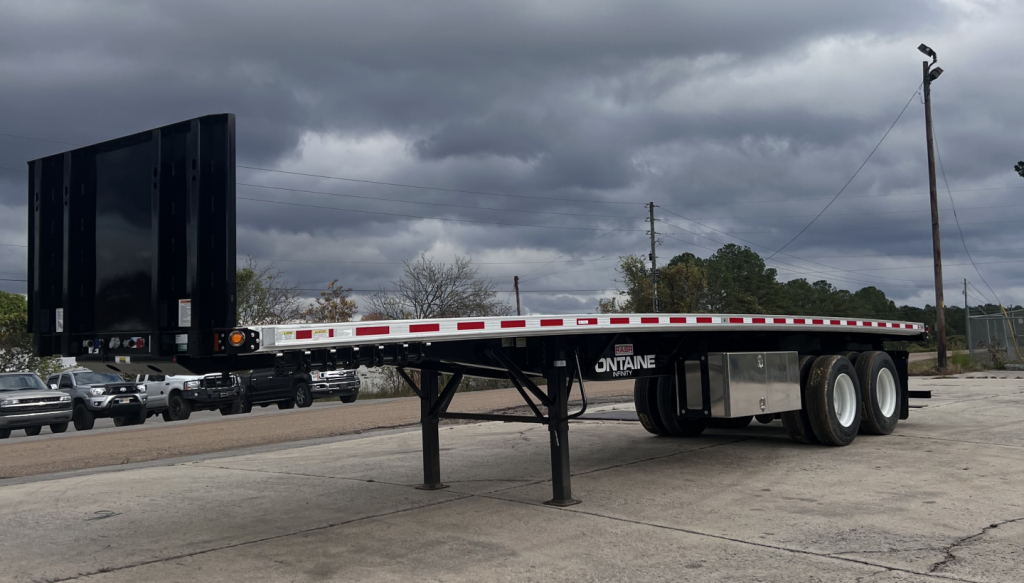
Across trailer categories, axle count, tire size, wheel material, landing gear, lighting, and ABS compliance matter just as much as body style. Tandem axle setups remain common, but load profile and bridge law requirements may push some operations toward lift axles or specialized spread configurations. Drum brakes are still widely used, though maintenance access and parts support should always factor into the purchase. In a high-mileage or severe-service application, details such as sealed wiring, LED lighting, automatic slack adjusters, anti-sail mud flaps, handrails, and corrosion protection are not minor options. They directly affect inspection readiness, safety, and lifecycle cost. A good trailer spec is the one that fits the commodity, matches the tractor and route, and stays productive with minimal downtime.
Frequently Asked Questions about Trailers Near Hutchins, Texas
What should I look for first when buying a trailer?
Start with the commodity and loading method. Bulk aggregate, scrap, liquid waste, and industrial vacuum service all require different trailer designs. After that, focus on payload target, legal weight limits, body material, axle rating, suspension type, and unloading method. Those choices determine how well the trailer fits the job and how expensive it will be to operate over time.
Is an aluminum trailer better than a steel trailer?
Neither is universally better. Aluminum trailers usually offer lower tare weight and improved payload potential, which is valuable in bulk hauling and long-cycle operations. Steel trailers generally provide better resistance to impact and abrasion, making them a strong choice for scrap, demolition, and severe-duty applications. The right material depends on the commodity, operating environment, and expected repair cycle.
What is the difference between a frameless dump trailer and a frame-type dump trailer?
A frameless dump trailer is designed to save weight and maximize payload, which is why it is common in aggregate and general bulk hauling. A frame-type trailer adds structural support and can be a better fit for harsher loading conditions or commodities that create concentrated stress. Frameless designs can be very productive, but buyers should pay close attention to body thickness, hoist setup, suspension, and dump stability for the intended job.
What specs matter most on a vacuum trailer?
Capacity, pressure and vacuum rating, shell material, baffle design, pump model, discharge plumbing, and relief protection are the core specifications. Buyers should also review whether the trailer is code or non-code, what product it is intended to handle, and how the hydraulic and valve systems integrate with the tractor or support equipment. Safety access, sight indicators, brake compliance, and corrosion resistance are also important in daily service.
How important are suspension and axle specs on a trailer?
They are critical because they affect load distribution, ride quality, tire wear, dump stability, and legal compliance. Tandem axle trailers are common, but the suspension design can vary widely between spring ride, air ride, single-point, and severe-service configurations. The right axle and suspension package should match the trailer's body type, the commodity weight, road conditions, and how often the trailer is loaded to capacity.