
Trailers For Sale Near Humboldt, Iowa
Have trailer to sell? List it here to reach thousands of buyers.
Trailers Near Humboldt, Iowa
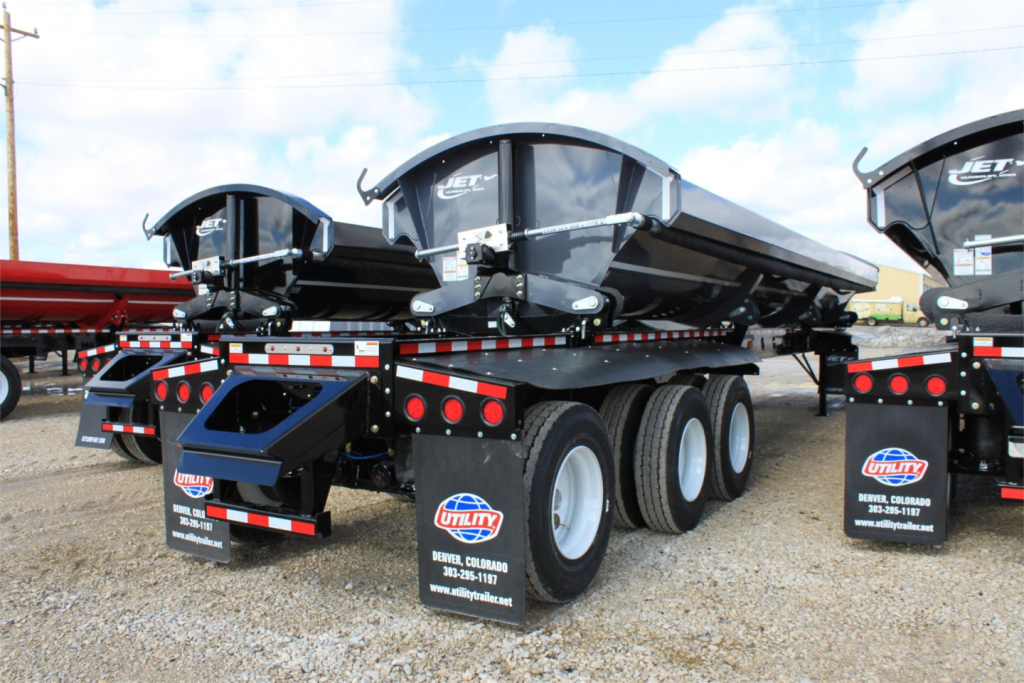
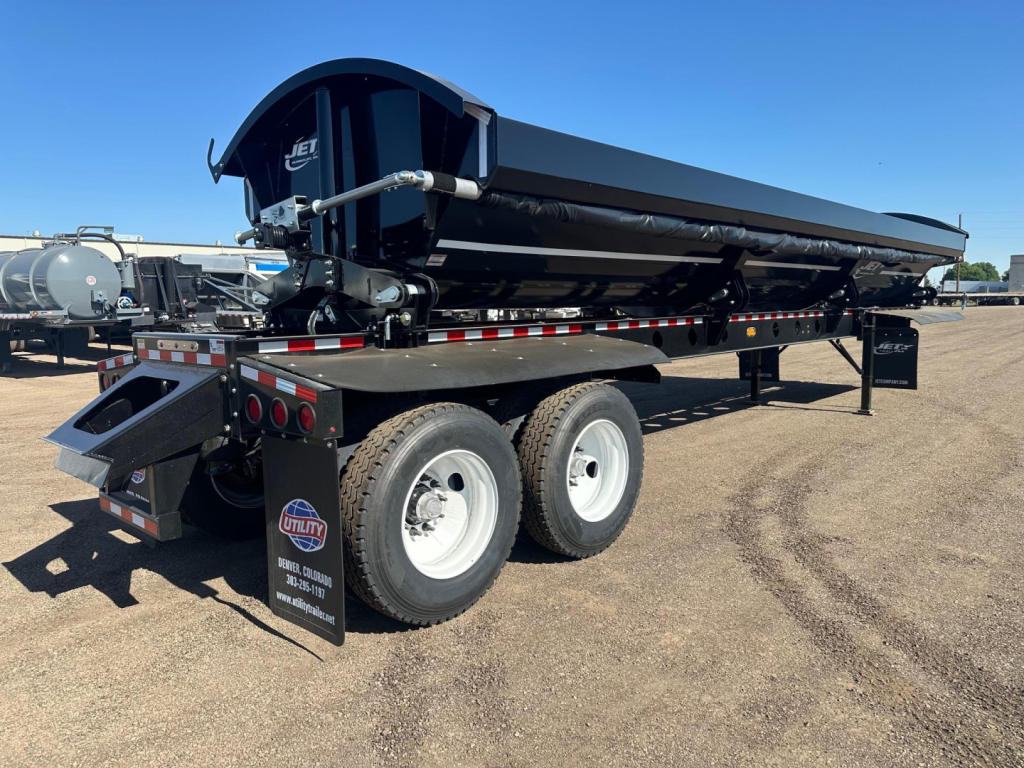
Side dump trailers are especially popular when rollover resistance and fast discharge are priorities. A side dump uses hydraulic cylinders and pivot points to roll the tub to one side, giving a lower center of gravity during unload than a traditional end dump in many situations. Buyers commonly compare round bottom tubs versus rock tubs, AR400 steel construction, tub extensions for added cubic yard volume, and 2-way directional hydraulic valves that allow controlled dumping to either side. Features like inverted cylinders, reinforced tub corners, bolt-on push blocks, electric rollover tarps, tarp lockout switches, and front and rear fenders are more than convenience items. They affect safety, uptime, and how well the trailer holds up under silage, aggregate, demolition debris, or blasted rock.
Suspension and axle spacing deserve close attention because they directly affect ride quality, legal weight distribution, and tire wear. Air ride remains a preferred spec for many operators because it helps protect the trailer and cargo while improving road manners. Tandem axle setups are common for general hauling, while tri-axle and super spread configurations can improve payload flexibility and bridge compliance depending on local and state regulations. Kingpin setting, kingpin height, axle spacing, and lift axle design should be matched to the tractor and the routes the trailer will actually run. On a used trailer, inspect pivot points, hinge areas, cylinder mounts, frame rails, tub floor thickness, suspension components, tarp system condition, and signs of cracking around high-stress areas.
A good trailer spec is the one that matches the commodity and the work cycle. Silage operators may prioritize cubic capacity, tub extensions, and tarp coverage. Aggregate and rock fleets usually put abrasion-resistant steel, structural durability, and dump stability at the top of the list. Contractors hauling mixed material often want a balanced setup with air ride, durable lighting, easy-to-service brake components, and a proven hydraulic arrangement. If you are comparing trailers for sale, focus on empty weight, rated capacity, body material, dump geometry, and how the trailer is equipped for the conditions it will see every day.
Frequently Asked Questions about Trailers Near Humboldt, Iowa
What is the difference between a side dump trailer and an end dump trailer?
A side dump trailer unloads by rolling the tub to the left or right with hydraulic cylinders, while an end dump trailer raises the front of the body to discharge out the rear. Side dumps are often favored for better stability during unloading, especially on uneven surfaces or in windy conditions. End dumps can be a strong choice where a straight rear discharge is needed, but they typically require more overhead clearance and can be more sensitive to soft ground and side slope during a raise cycle.
What should I look for when buying a dump or side dump trailer?
Start with the trailer’s intended material and hauling pattern. Rock, demolition debris, and aggregate call for heavy-duty steel construction such as AR400 tubs, reinforced corners, and durable cylinder mounting. Silage and lighter bulk commodities may put more emphasis on cubic yard capacity and tub extensions. Also review axle configuration, suspension type, tarp system, kingpin setting, tire size, brake spec, and the condition of pivot points, hinges, and high-stress weld areas if the trailer is used.
Is air ride suspension better on a dump trailer?
Air ride is a common and desirable spec because it improves ride quality, can reduce shock loading into the frame and tub, and often helps with control on rough roads. It may also help protect the commodity and reduce vibration-related wear on components. Mechanical suspension still has a place in severe service, but many buyers prefer air ride for a better balance of comfort, trailer control, and long-term component life.
Do I need a tandem axle or tri-axle trailer?
That depends on payload targets, bridge laws, route restrictions, and how the trailer is being loaded. Tandem axle trailers are widely used and often simpler to operate and maintain. Tri-axle trailers, including super spread setups, can offer better weight distribution and in some operations allow higher legal payloads or more flexibility under state regulations. The right choice depends on the tractor wheelbase, local legal limits, and whether a lift axle will provide a real operational benefit.
Why do tub design and steel grade matter on a side dump trailer?
Tub shape affects cleanout, center of gravity, and how the material flows during discharge. Round bottom and flex tub designs can improve unloading and reduce material hang-up, while heavy rock tubs are built for impact and abrasion. Steel grade matters because a trailer hauling sharp aggregate or blasted rock needs better resistance to wear and denting than a trailer hauling silage or lighter bulk material. A stronger tub can cost more upfront but often pays back through longer service life and fewer structural repairs.