
Hopper Trailers For Sale in Illinois

Have hopper trailer to sell? List it here to reach thousands of buyers.
Hopper Trailers in Illinois
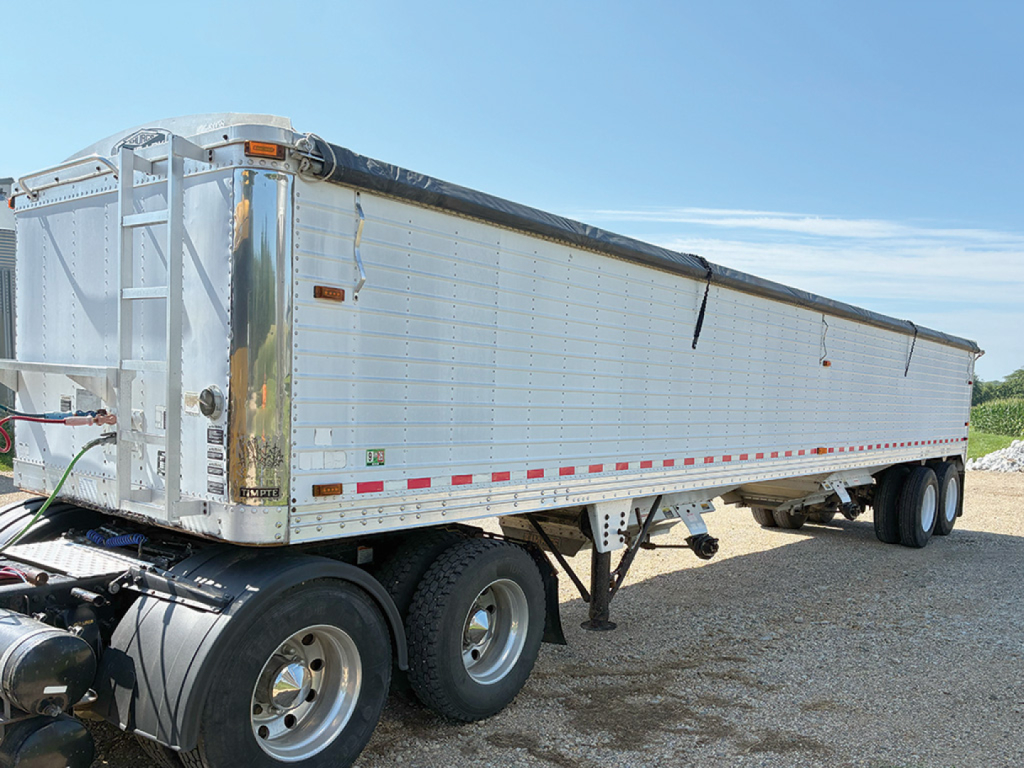
The most common specs in this category are 40 to 41 foot lengths, 96 inch width, tandem axle layouts, and two hopper compartments. Side heights often fall in the mid-60 to high-70 inch range, which directly affects cubic capacity and load flexibility. Air ride suspension is popular for protecting the trailer and cargo on mixed road conditions, while spring ride still shows up on value-oriented grain hoppers. Buyers should also compare hopper door design and actuation, including manual or 2-speed doors, because ease of discharge matters at the elevator and in seasonal harvest pressure. Tire size, wheel material, and axle ratings also affect long-term operating cost and legal payload planning.
Feature differences can be significant even between similar-looking hopper trailers. Electric roll tarps reduce driver effort and speed up loading and unloading cycles, especially during frequent stops. Tire inflation systems can help with tire life and roadside downtime. Stainless rear panels and radius sections are common wear-point upgrades that help with corrosion resistance and resale. Front and rear ladders, catwalk access, dump valves, and ag hopper configurations all matter depending on commodity and unloading setup. For Illinois operators running between farms, elevators, processors, and river terminals, these practical details often matter as much as length and brand.
Condition and prior use are just as important as the spec sheet. On a used hopper trailer, pay close attention to trap doors, hinge points, subframe condition, suspension wear, landing gear, tarp components, and signs of cracking around stress areas. Check for repairs near the kingpin area, crossmembers, and hopper seams. If the trailer will handle fertilizer as well as grain, corrosion history deserves extra scrutiny. A well-spec'd hopper trailer should match commodity density, route length, and unload frequency, not just gross capacity on paper.
Frequently Asked Questions about Hopper Trailers in Illinois
What is the most common hopper trailer size for grain hauling?
A common grain hopper trailer size is 40 to 41 feet long and 96 inches wide with tandem axles and two hopper compartments. That setup is popular because it balances payload, maneuverability, and compatibility with typical Midwest grain hauling operations. Side height varies by desired cubic capacity, so buyers should match the trailer to the commodities they haul most often.
Is an aluminum hopper trailer better than a steel hopper trailer?
Aluminum hopper trailers are usually preferred for grain and other agricultural commodities because they reduce empty weight and allow for more legal payload. Steel hopper trailers can offer lower purchase cost and good durability, but they generally carry more tare weight. The better choice depends on how important payload, corrosion resistance, and initial budget are to the operation.
What should I inspect on a used hopper trailer?
A used hopper trailer should be inspected closely at the hopper doors, traps, seals, suspension, landing gear, tarp system, brakes, and wheel ends. Structural areas deserve special attention, including crossmembers, kingpin assembly, subframe, welds, and corners around the hopper openings. Corrosion, previous repairs, and uneven tire wear can reveal how the trailer was maintained and whether more repair cost is likely.
What suspension is best on a hopper bottom trailer?
Air ride suspension is a common choice on hopper bottom trailers because it can improve ride quality, reduce vibration, and help protect the trailer over long highway runs. Spring ride suspension is simpler and often less expensive, which appeals to some buyers focused on lower acquisition cost. The best choice depends on route conditions, maintenance preference, and how hard the trailer will be worked during harvest and peak seasons.
What features make a hopper trailer easier to operate during harvest?
Electric roll tarps, easy-turn hopper controls, ladder access, catwalks, dump valves, and tire inflation systems all improve day-to-day operation during harvest. These features save time at the field and elevator, reduce driver effort, and can help limit downtime when trailers are cycling constantly. In peak harvest conditions, small convenience features often have a real impact on productivity.