
Armor Lite Hopper Trailers For Sale
Browse Armor Lite hopper trailers built for grain and bulk ag hauling, with practical specs, steel construction, tarp systems, and tandem axles.
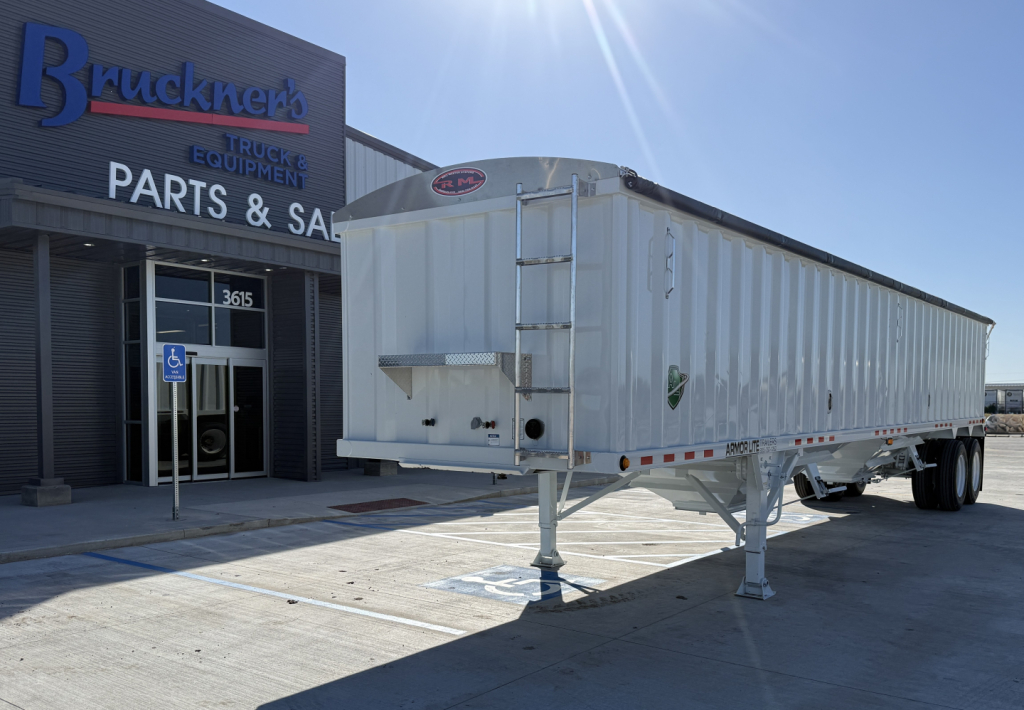
Selling a armor lite hopper trailer? List your armor lite hopper trailer for sale and reach thousands of commercial buyers.
Armor Lite Hopper Trailers
One of the first buying decisions is construction material. The sample units here are steel hopper trailers, which appeal to buyers who want durability, structural stiffness, and a lower initial purchase price than some aluminum alternatives. Steel bodies can be a good fit for farm-to-elevator routes, seasonal harvest work, and regional commodity hauling where the trailer may see rougher yards and frequent loading cycles. Check side height, floor design, and gate layout closely. Features like 24-inch by 24-inch ag hoppers, manual trap operation, and a manual vinyl roll tarp are common on practical grain specs and are easy for drivers and farm crews to operate without much complexity.
Running gear and maintenance details deserve just as much attention as body capacity. Tandem axle hopper trailers with spring suspension remain common because they are simple, proven, and economical to maintain. Drum brakes, 11R24.5 tires, steel wheels, two-speed landing legs, and sealed LED wiring are all specs that affect long-term operating cost more than the brochure may suggest. Buyers comparing listings should look at kingpin setting, overall empty weight, crossmember design, ladder and catwalk configuration, and how accessible the traps and suspension components are for routine service. If the trailer will spend time on uneven field entrances, gravel roads, or older pit scales, suspension and frame durability become especially important.
Capacity should always be matched to the commodity and the lanes you run. A hopper trailer rated around 1,400-plus cubic feet and roughly 1,100-plus bushels may be suitable for lighter grains, but legal gross weight limits will govern real payload on heavier products. That makes discharge speed, cleanliness, weather protection, and ease of loading just as important as raw volume. Armor Lite hopper trailers in this segment are generally aimed at buyers who want a straightforward ag trailer with familiar components, practical dimensions, and no unnecessary complexity. For grain producers, feed operations, and regional bulk haulers, that kind of simple, serviceable spec is often exactly the point.
Frequently Asked Questions about Armor Lite Hopper Trailers
What are Armor Lite hopper trailers typically used for?
Armor Lite hopper trailers are commonly used for hauling grain and other free-flowing agricultural commodities such as corn, soybeans, wheat, and feed. This type of trailer, often called a hopper bottom trailer, is designed to unload through gravity-fed bottom hoppers, which makes it efficient at elevators, mills, and on-farm storage sites. The design is best suited for dry bulk products that need clean, controlled discharge.
Is a steel hopper trailer a good choice compared with aluminum?
A steel hopper trailer can be a strong choice for buyers who prioritize durability, structural toughness, and lower upfront cost. Steel construction is often preferred in operations that see rough farm yards, frequent loading cycles, or regional use where cosmetic wear is less important than long-term robustness. The tradeoff is usually higher empty weight than a comparable aluminum trailer, so buyers should compare tare weight against the payload limits for the commodities they intend to haul.
What specs matter most when comparing hopper trailers?
The most important specs are cubic capacity, bushel rating, overall length, side height, hopper opening size, axle configuration, suspension type, brake setup, and tarp system. Buyers should also look closely at empty weight, tire size, wheel material, kingpin setting, landing gear, and electrical protection such as sealed LED harnesses. These details affect legal payload, unloading speed, maintenance cost, and how well the trailer fits existing tractors and routes.
How do I know if the trailer has enough capacity for my operation?
Start with the commodity you haul most often and calculate payload by legal gross weight, not just advertised bushel capacity. Lighter grains may let you use more of the trailer's cubic volume, while heavier products can make you hit weight limits before the trailer is full. A trailer with roughly 1,400 cubic feet and over 1,100 bushels can be a practical ag spec, but the right capacity depends on commodity density, state bridge laws, and the axle and tractor setup you run.
What maintenance items should I inspect on a used hopper trailer?
Pay close attention to the condition of the hopper gates, trap seals, subframe, suspension hangers, brake components, wiring, lights, landing legs, ladders, and catwalk. On steel trailers, inspect for corrosion around seams, crossmembers, hopper areas, and any points where grain dust and moisture can collect. Tire condition, wheel integrity, tarp operation, and evidence of prior weld repairs also tell you a great deal about how the trailer was used and maintained.