
2008 Hopper Trailers For Sale
Have 2008 hopper trailer to sell? List it here to reach thousands of buyers.
2008 Hopper Trailers
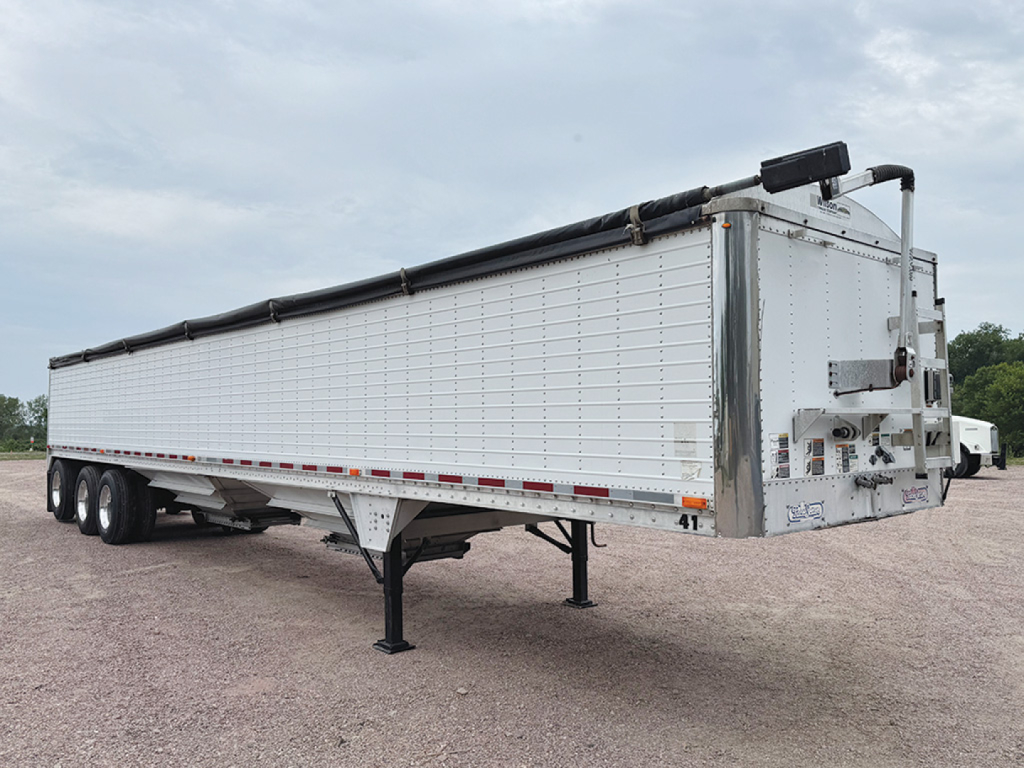
For practical use, trap operation and tarp setup matter more than many first-time buyers expect. Manual traps are simpler and cheaper to maintain, but electric trap openers can speed up unloading if the trailer runs hard during harvest or at feed mills. The same logic applies to tarps. Manual roll tarps cost less up front, while electric tarp systems reduce climb time and improve convenience in bad weather. Many hopper trailers from this period were spec'd with air ride suspension, 11R22.5 rubber, and a mix of aluminum outer wheels with steel inner wheels. Buyers should also check kingpin setting, fifth wheel height, axle spread, and overall trailer height, especially if the trailer will run across different scales, older pits, or height-sensitive routes.
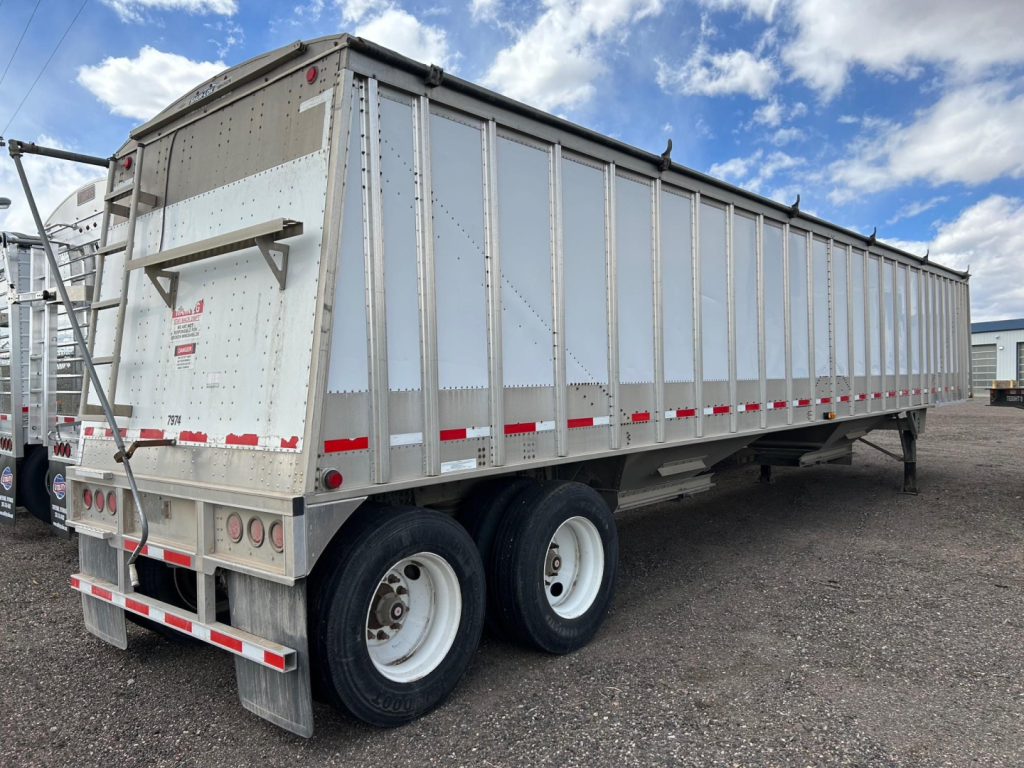
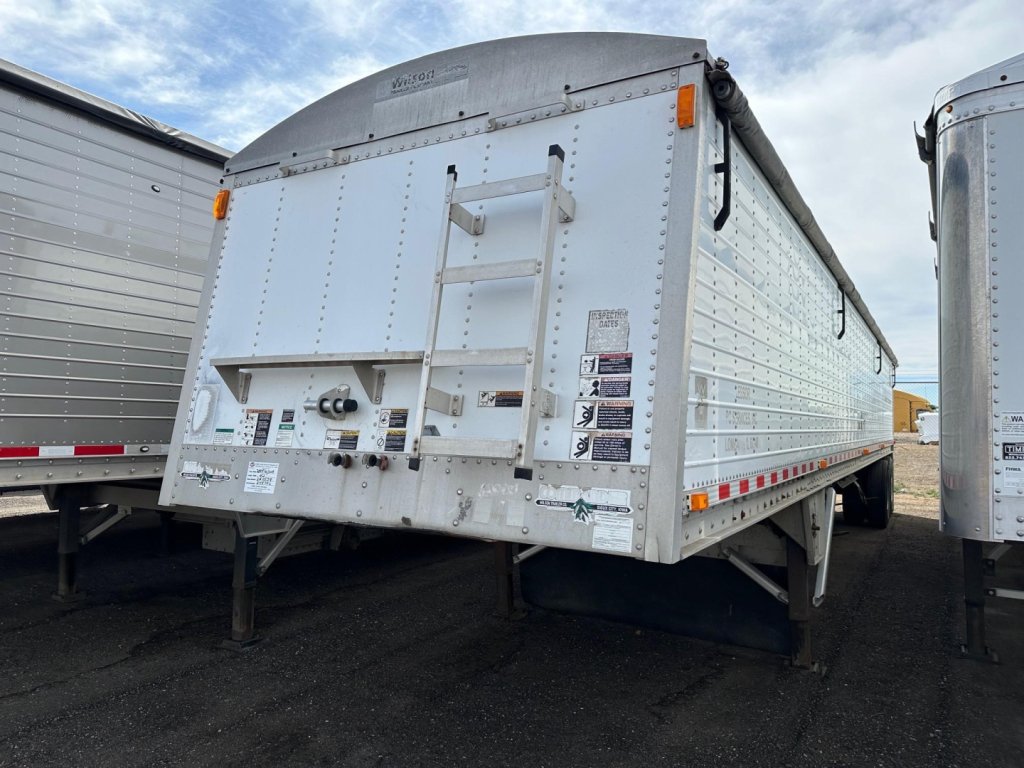
The biggest value difference in a 2008 hopper trailer usually comes from corrosion history, floor and sidewall integrity, and how the trailer was used. A trailer that spent its life in grain service may show a different wear pattern than one exposed to fertilizer or more corrosive materials. Inspect the seams, lower side sheets, trap frames, rear sill, ladder mounts, and any stainless corner components for cracking, patching, or galvanic corrosion. Look closely at the tarp bows, hopper doors, seals, and discharge openings because small issues there can turn into daily nuisance repairs. If payload matters, empty weight is still a major consideration, but a lighter trailer is only an advantage if the structure remains sound.
2008 hopper trailers remain relevant because they can still offer strong cubic capacity and straightforward operation without the higher acquisition cost of late-model units. Timpte, Merritt, Wilson, Stoughton, Jet, and similar builders commonly appear in this segment, and parts support is generally still good. For buyers comparing multiple listings, the best approach is to match the trailer to commodity type, unloading frequency, route conditions, and maintenance tolerance. A well-kept 2008 hopper can still be a productive grain trailer, bulk commodity trailer, or farm-use hopper if the core structure, running gear, and discharge system are right.
Frequently Asked Questions about 2008 Hopper Trailers
What should I inspect first on a 2008 hopper trailer?
Start with the structural areas that are expensive to repair. Inspect the subframe, hopper cones, crossmembers, suspension hangers, landing gear supports, rear frame, and trap assemblies. Then check sidewall condition, floor wear, tarp hardware, brakes, wheel ends, and signs of previous cracking or patch work. On a 2008 model, overall condition and maintenance history usually matter more than brand name alone.
Are 2008 hopper trailers still good for grain hauling?
Yes, many 2008 hopper trailers are still well suited for grain hauling if they have solid structure and properly functioning traps, tarps, brakes, and suspension. Grain service is one of the most common applications for this trailer class. The key is confirming the trailer has not suffered corrosion, fatigue cracking, or discharge system wear that would affect daily loading and unloading.
What size and configuration are common on hopper trailers from this year range?
Many 2008 hopper trailers are tandem axle units around 40 to 42 feet long and 96 inches wide. Side heights commonly range from the mid-60-inch range up into the upper-70-inch range, depending on intended capacity. Air ride suspension, 11R22.5 tires, and two hopper discharges are all common specs in this category, especially on grain-focused trailers.
Is an electric tarp or electric trap opener worth it on an older hopper trailer?
It can be, especially for operations with frequent load cycles or drivers making repeated stops in harvest, feed, or shuttle work. Electric systems improve convenience and reduce manual effort, but buyers should inspect motors, wiring, switches, and mounting points closely on older trailers. A manual system is simpler and often cheaper to keep in service, so the right choice depends on use frequency and maintenance preference.
How does side height affect a hopper trailer’s value and application?
Side height has a direct effect on cubic capacity, commodity fit, and sometimes loading flexibility. Taller sides can increase volume for lighter commodities, while shorter side configurations may better suit heavier products where legal gross weight is reached before the trailer is physically full. Value often rises when side height, capacity, and empty weight line up well with the buyer’s intended commodity and hauling pattern.