
Hobbs Trailers For Sale in Texas
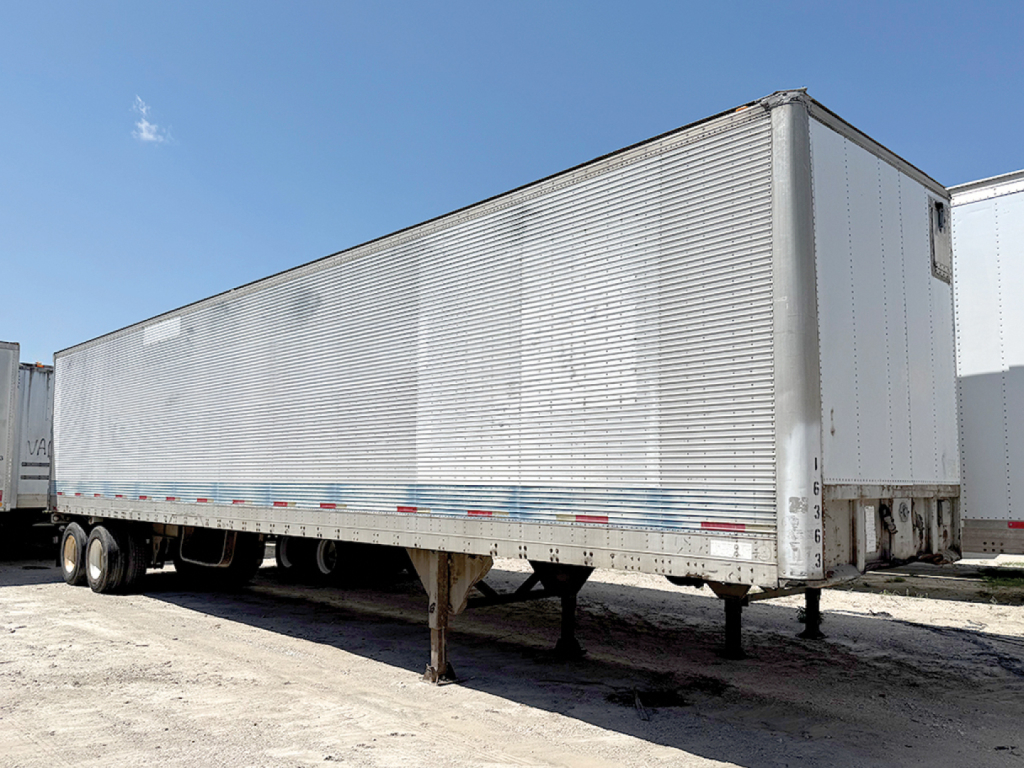
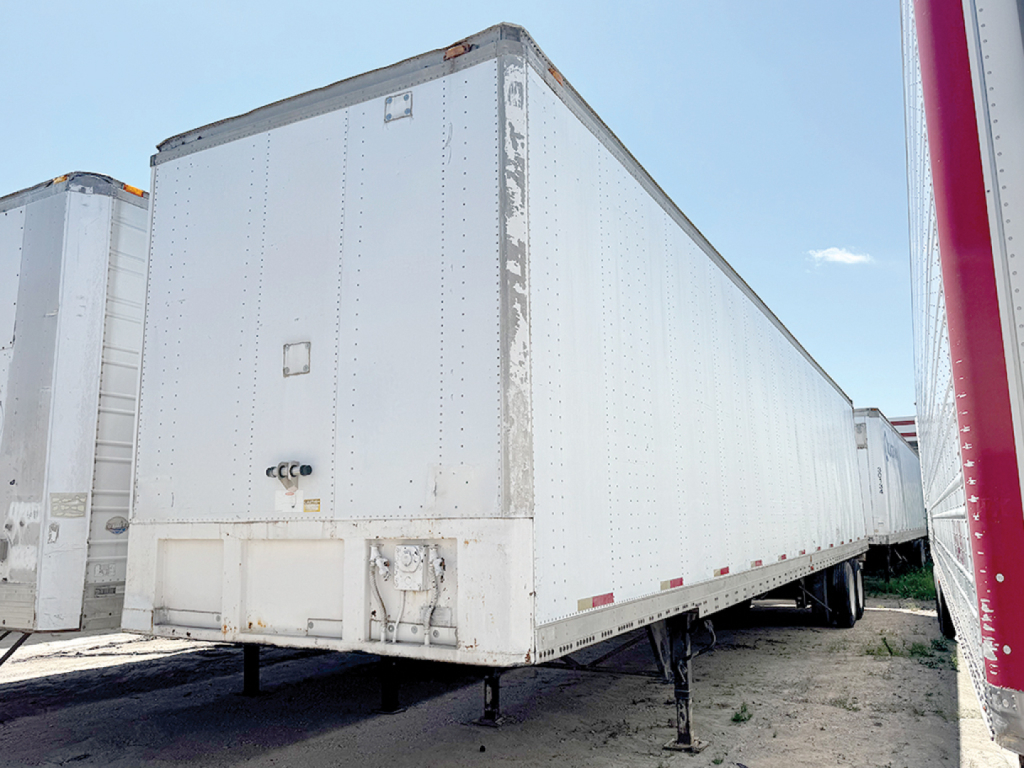
Browse Hobbs trailers for sale in Texas, including aluminum van trailers built for general freight, storage, local haul, and fleet support.
Learn more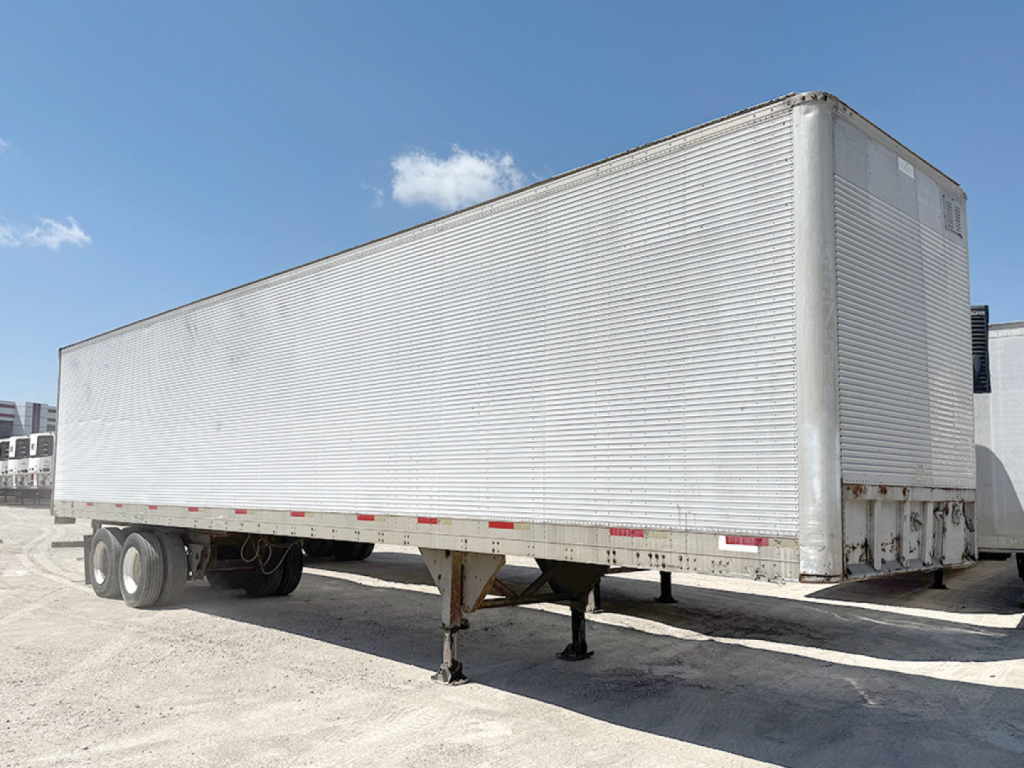
Have hobbs trailer to sell? List it here to reach thousands of buyers.
About Hobbs Trailers in Texas
The main value in a used Hobbs trailer is usually simplicity. Aluminum van construction can help with corrosion resistance and empty weight, while plywood lining and wood flooring are familiar, easy-to-repair features for many operations. Buyers should pay close attention to door style, interior wall condition, roof integrity, floor wear around high-traffic zones, and signs of sidewall repairs. Swing doors are common on older vans and can be perfectly workable for dock freight, but they should be checked for hinge wear, seal condition, and frame alignment. If the trailer is logistics post equipped, confirm that the interior track is intact and usable for your securement needs.
Running gear and chassis condition matter as much as the box. Older Hobbs van trailers are often found with spring suspension, stationary tandem setups, and 11R22.5 wheel and tire packages. That can be a practical combination for local and regional use, but buyers should inspect suspension hangers, equalizers, axle alignment, brake components, wheel ends, and crossmember condition before putting a trailer into regular service. Frame rust, kingpin wear, landing gear operation, and ICC bumper condition also deserve close attention, especially on trailers that may have spent years in mixed freight or drop-lot service. In Texas, heat and sun exposure can also accelerate roof seal deterioration, tire aging, and dry rot in door seals and flooring.
A Hobbs van trailer can be a smart fit when the job does not require late-model specs or high-cube optimization. These trailers are often used as basic dry freight vans, warehouse overflow, construction material storage, or dedicated shuttles between fixed facilities. The right unit depends on how you plan to use it. For highway freight, focus on brake compliance, tire age, lighting, structural soundness, and overall roadworthiness. For storage applications, the priorities shift toward weather-tightness, floor strength, security, and door function. Buyers comparing Hobbs trailers should think less about brand prestige and more about actual condition, repair history, and whether the trailer's dimensions and running gear still fit the work.
Frequently Asked Questions
What are Hobbs trailers commonly used for?
Hobbs trailers on the used market are commonly found as dry van trailers used for general freight, local shuttle work, drop-lot storage, and warehouse overflow. Older aluminum van models can also be a cost-effective option for operations that need enclosed capacity without paying for newer aerodynamic or fleet-spec equipment. The best application depends on the trailer's structural condition, interior wear, and whether it will be used on the road or mainly as stationary storage.
What should I inspect first on a used Hobbs aluminum van trailer?
Start with the structural and weather-critical areas. Check the roof for leaks or patches, inspect the sidewalls and front wall for repairs or buckling, and examine the wood floor for soft spots, forklift damage, or rot. After that, move to the undercarriage and verify axle alignment, suspension condition, brake wear, tire age, wheel-end condition, kingpin wear, and landing gear operation. On an older van trailer, the overall condition matters far more than the nameplate.
Are older 45-foot Hobbs van trailers still practical?
Yes, a 45-foot van trailer can still be practical for certain operations, especially local freight, private property use, dedicated lanes, and storage applications. The key issue is compatibility with your freight, docks, and routing. Some fleets prefer 48-foot or 53-foot trailers for cube and resale flexibility, but a sound 45-foot trailer may still be a good fit where capacity needs are modest and cost control is the priority.
Do Hobbs trailers typically have spring suspension and stationary tandems?
Many older Hobbs van trailers are equipped with spring suspension and stationary tandem axle layouts, which were common on trailers from that era. This setup is simple and durable, but it offers less flexibility than sliding tandems when axle positioning matters for weight distribution or bridge law compliance. Buyers should confirm the axle configuration and make sure it matches the intended route, commodity, and loading pattern.
Is a Hobbs trailer better suited for road use or storage use?
It can work for either, depending on condition. If the trailer is structurally sound, weather-tight, and has serviceable brakes, tires, lights, and running gear, it may still be suitable for road use in the right application. If it has aging components but a solid box and floor, it may deliver better value as secure on-site storage. The decision should come down to inspection results, repair costs, and how critical DOT-ready performance is to your operation.