
Trailers For Sale Near Hays, Kansas

Have trailer to sell? List it here to reach thousands of buyers.
Trailers Near Hays, Kansas
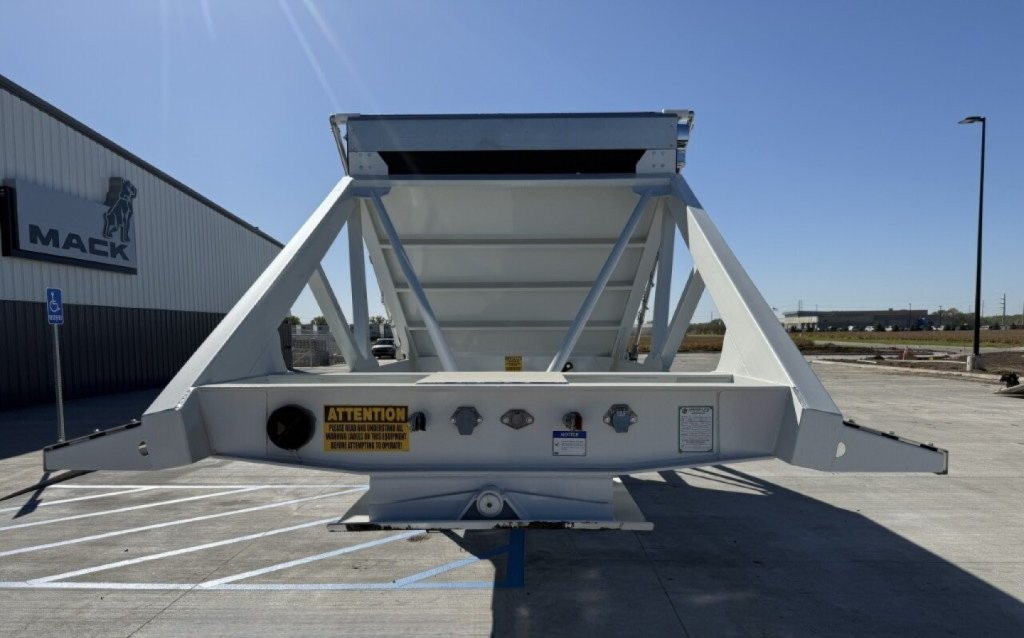
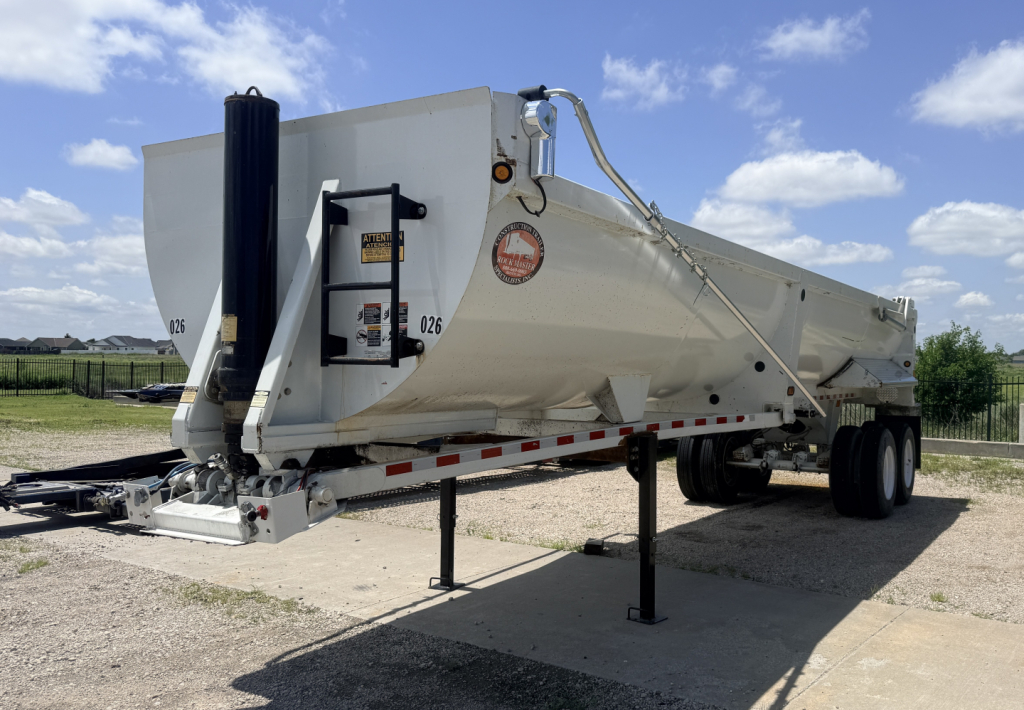
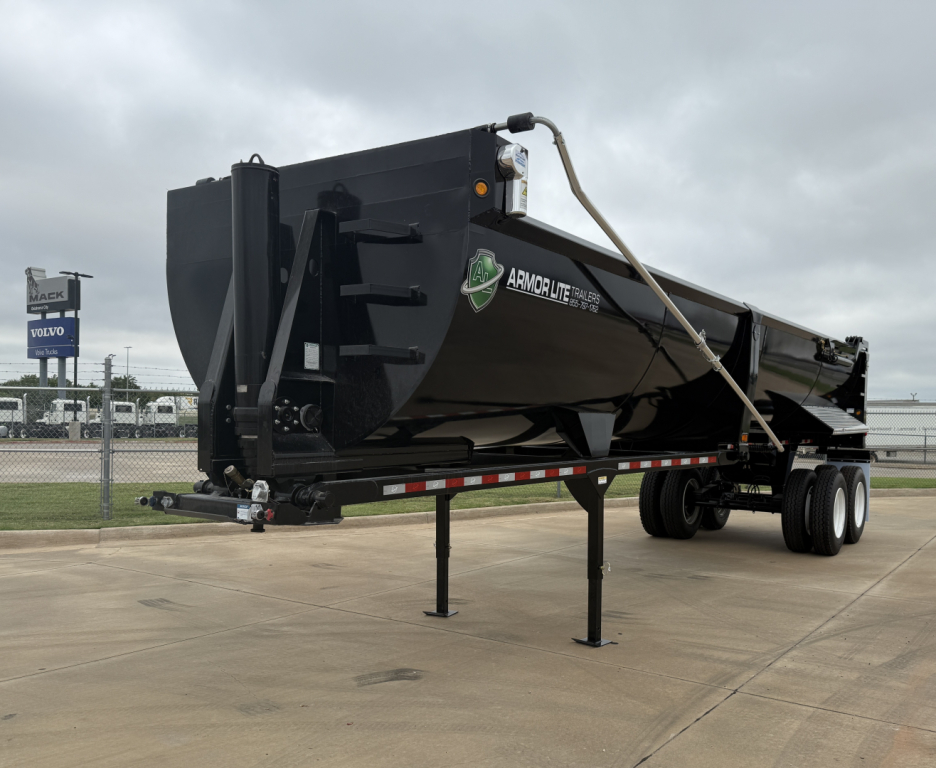
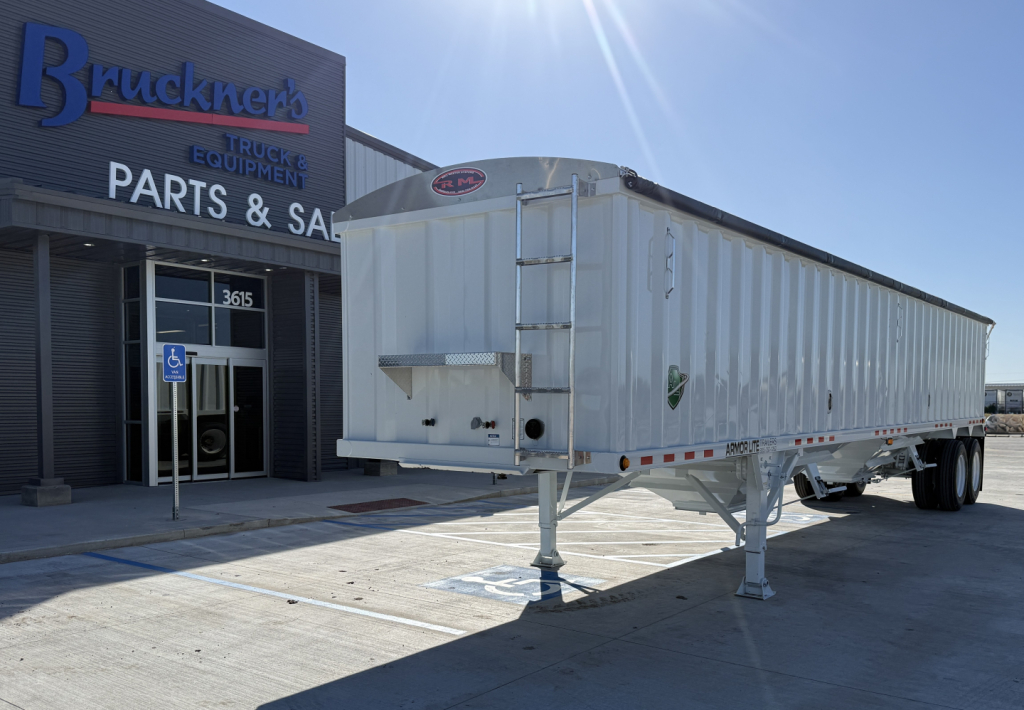
Dump trailers are a common choice for aggregate, demolition, millings, scrap, and other bulk materials. Buyers usually compare frameless and frame-type designs, steel versus aluminum construction, half-round versus quarter-frame bodies, gate style, tarp system, and suspension setup. Frameless dump trailers generally save weight and are popular for higher payload applications, while steel tubs and Hardox-type liners are favored when the work includes abrasive material. Hopper trailers are built around commodity flow, cubic capacity, and clean discharge. Grain haulers often focus on side height, bushel rating, hopper opening dimensions, ladder and catwalk layout, tarp operation, and whether spring ride or air ride better fits the route and load sensitivity. In western Kansas, suspension choice, tire size, brake type, and wheel material all matter because trailers often run a combination of highway miles, county roads, and field approaches.
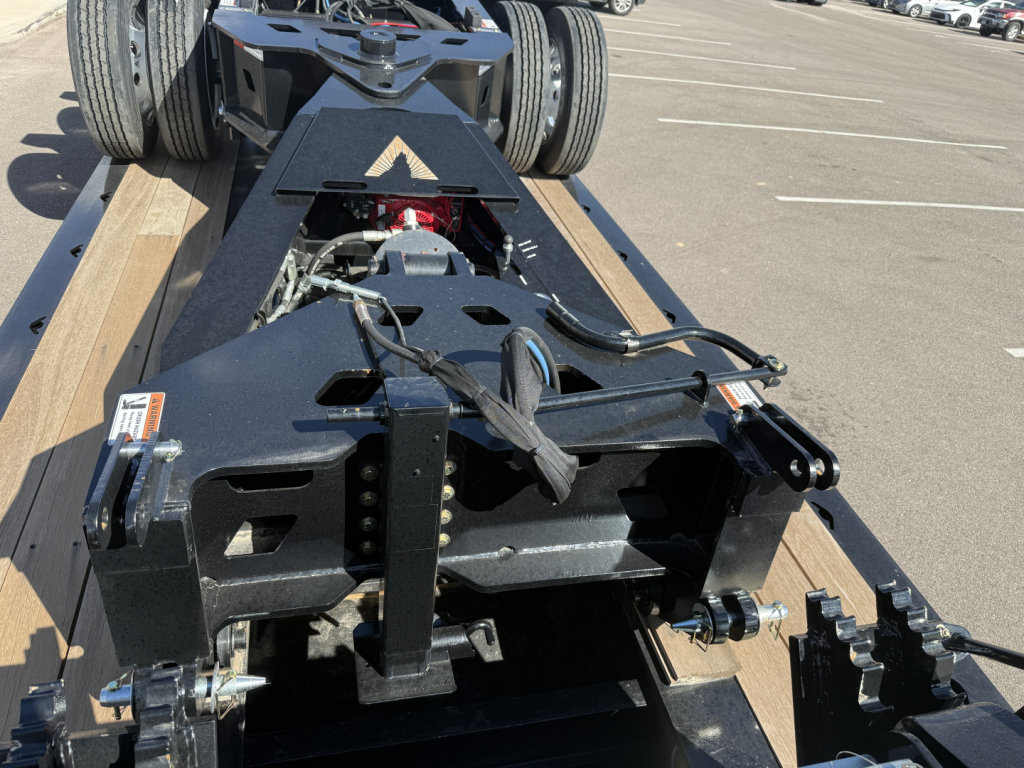
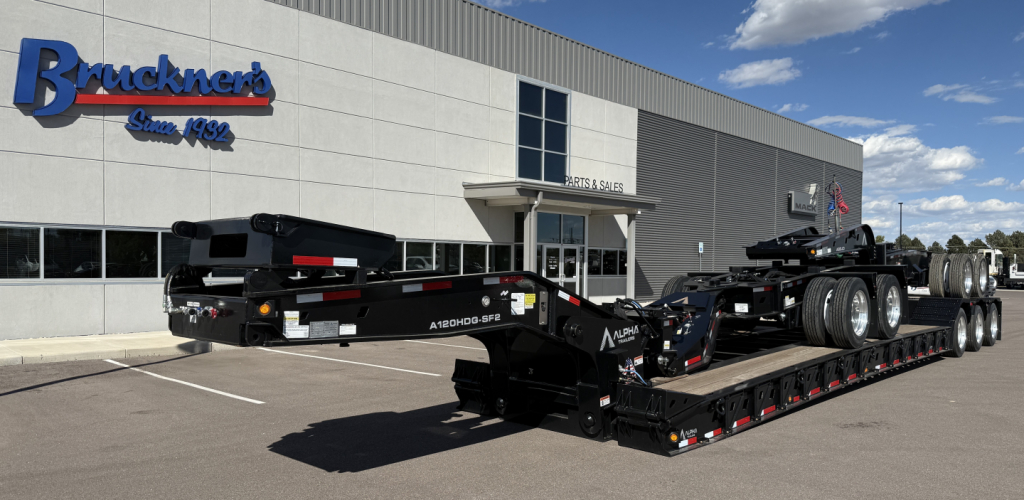
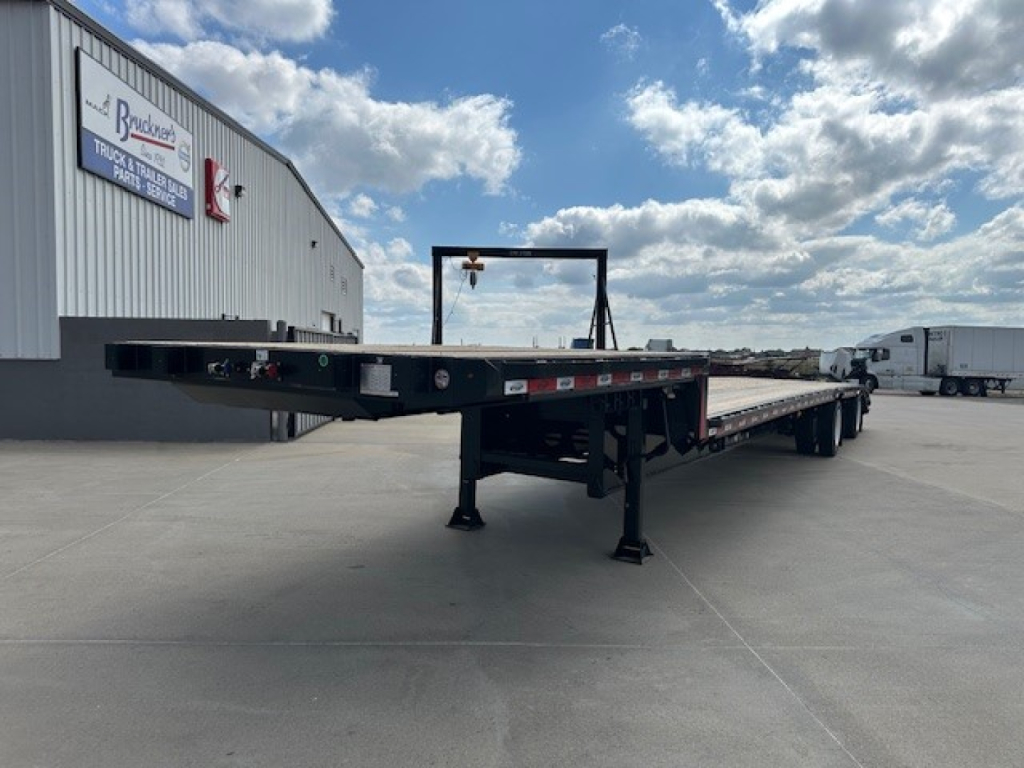
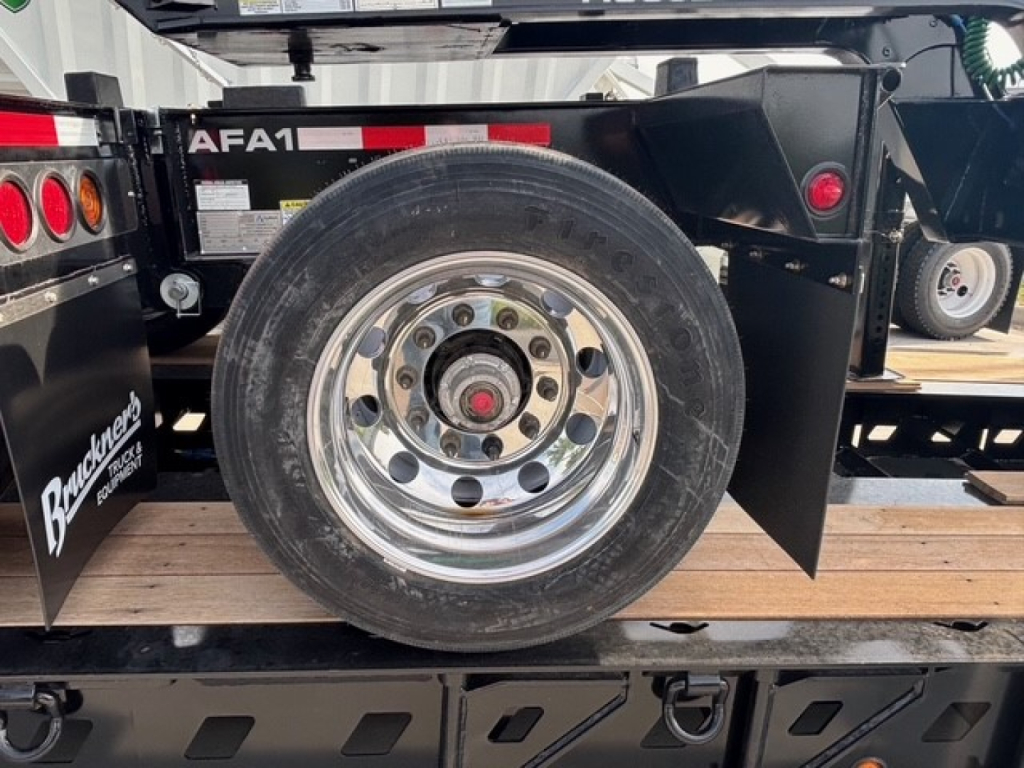
Lowboy trailers and other equipment haulers bring a different set of priorities. Deck height, loaded deck length, axle count, detachable gooseneck design, concentrated load rating, and ramp or neck configuration determine whether the trailer can legally and practically move machinery. Buyers hauling skid steers, dozers, excavators, tractors, or other heavy equipment should pay close attention to deck construction, tire type, apitong or hardwood decking, outriggers, D-ring placement, and the tractor's fifth wheel height and wet kit requirements if applicable. Across all trailer classes, brake condition, landing gear, kingpin area, crossmember integrity, wiring harness protection, lighting, and suspension wear points are core inspection items on used equipment.
A good trailer purchase is usually the one that reduces compromise in daily use. Tare weight affects payload, but durability affects uptime. Spread axles, tandem axles, lift axles, air ride, spring ride, drum brakes, wheel-end spec, and tire inflation strategy all influence maintenance cost and how the trailer performs under real loads. Buyers comparing trailers in this market should think about route length, loader compatibility, commodity type, seasonal utilization, and how quickly the trailer can be turned at the elevator, pit, or job site. Matching the trailer to the freight and the operating environment will do more for long-term value than chasing a single advertised specification.
Frequently Asked Questions about Trailers Near Hays, Kansas
What trailer types are most common for commercial use in Kansas?
Dump trailers, hopper trailers, lowboy trailers, flatbeds, and drop decks are among the most common commercial trailer types in Kansas. Dump trailers are widely used in construction and aggregate work, hopper trailers are a staple in grain and feed hauling, and lowboys handle machinery and equipment transport. The best choice depends on the cargo, loading method, road conditions, and whether payload, cubic capacity, or deck strength is the bigger priority.
How do I choose between a steel trailer and an aluminum trailer?
Steel trailers generally offer higher impact resistance and are often preferred for severe-duty applications such as rock, scrap, and demolition debris. Aluminum trailers usually reduce tare weight and improve payload potential, which can be a major advantage in grain, commodity, and some bulk-haul operations. The tradeoff comes down to operating environment, expected abuse, corrosion exposure, repair approach, and how much value you place on lower empty weight versus maximum durability.
What should I inspect first on a used trailer?
Start with the structural areas that are expensive to repair or difficult to spot after purchase. Check the frame or tub, crossmembers, kingpin area, suspension hangers, axle alignment, brake components, wheel ends, landing gear, and all visible welds for cracks or distortion. Then inspect the wiring harness, lights, tarp system, gate operation, tires, and signs of uneven wear. On specialty trailers, also verify deck condition, liner thickness, hopper operation, and any lift axle or hydraulic functions.
Is air ride or spring suspension better on a trailer?
Air ride generally delivers a smoother ride, which can help protect cargo, reduce trailer shock, and improve handling on rougher roads. Spring suspension is simpler and can be attractive for buyers who want a lower-cost, durable setup with fewer air system components. The better option depends on trailer type, commodity, terrain, maintenance preferences, and how sensitive the load is to vibration and impact.
What matters most when buying a hopper or dump trailer for bulk hauling?
Payload capacity, body design, discharge efficiency, and structural durability are the main considerations. On a hopper trailer, cubic feet, bushel rating, hopper opening size, tarp design, and suspension are key. On a dump trailer, buyers usually focus on body material, liner or tub thickness, gate style, tarp system, axle configuration, and how well the trailer handles the specific material being hauled. Matching the trailer to the commodity is critical because grain, sand, asphalt, millings, and demolition debris all place very different demands on the body and running gear.