
Trailers For Sale Near Grundy, Virginia
Have trailer to sell? List it here to reach thousands of buyers.
Trailers Near Grundy, Virginia
Regional use matters in Southwest Virginia. Mountain grades, tighter secondary roads, and mixed on-road and jobsite conditions put more value on structural condition, braking performance, tire condition, and suspension integrity. Steel trailers can make sense for severe-duty work and impact resistance, while aluminum often appeals to operators focused on weight savings and corrosion resistance. On used trailers, common checkpoints include crossmembers, main rails, landing gear, kingpin area, frame welds, air lines, hubs, wheel ends, and signs of uneven tire wear that may point to alignment or suspension issues.
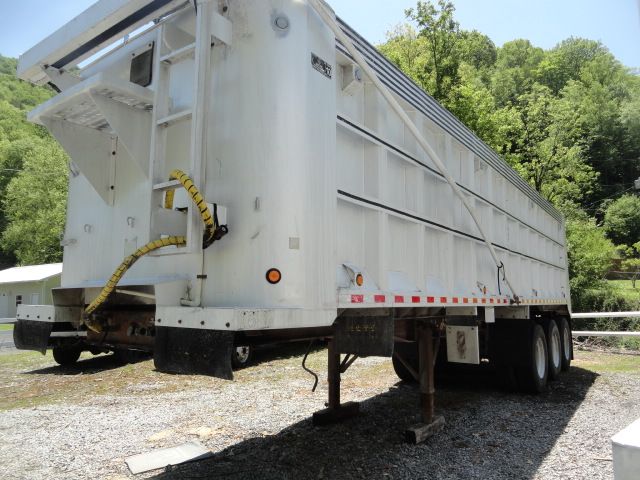
Specs vary by category, but buyers will usually compare trailer length, width, sidewall height, GVWR, axle spread, and door or ramp configuration. Flatbeds and step decks may need chain ties, sliding winches, and a solid wood or aluminum deck. Dry vans often get evaluated on roof condition, swing or roll-up doors, logistics posts, scuff liners, and floor wear. Dump trailers are often judged by hoist condition, body integrity, tarp system, and gate style. Equipment trailers and detachables bring in additional concerns like deck height, load angle, outriggers, and concentrated load ratings over specific axle groups.
A good trailer match comes down to freight type, route profile, loading method, and maintenance budget. A fleet moving palletized freight has different priorities than an owner-operator hauling skid steers, pipe, scrap, or crushed stone. Matching capacity and construction to the actual work tends to matter more than chasing the lowest purchase price. Buyers in the Grundy area generally benefit from looking closely at legal weight requirements, tire and brake replacement costs, and how easily the trailer can be serviced with locally available parts and standard shop support.
Frequently Asked Questions about Trailers Near Grundy, Virginia
What types of trailers are most commonly used in the Grundy, Virginia market?
Common trailer types in the Grundy market include dry vans, flatbeds, equipment trailers, dump trailers, utility trailers, and lowboys. The right category depends on the cargo and terrain. Flatbeds and equipment trailers are common for construction and machinery hauling, while dump trailers are widely used for aggregates, dirt, and demolition material. Dry vans remain a standard choice for enclosed freight that needs weather protection and better cargo security.
What should I inspect first on a used trailer?
Start with the frame, crossmembers, suspension, brakes, tires, and wheel ends. These areas tell you more about the trailer’s working condition than paint or panel appearance. Check the kingpin area for wear, inspect landing gear operation, and look for cracked welds, corrosion, floor damage, or signs of prior structural repair. Uneven tire wear can indicate alignment or suspension problems, and neglected air or electrical systems can turn into immediate repair costs.
Is aluminum or steel better for a trailer?
Aluminum trailers generally offer lower tare weight and better corrosion resistance, which can help maximize payload and reduce long-term rust issues. Steel trailers are often preferred for severe-duty applications because they can be more impact-tolerant and are commonly used in dump, equipment, and heavy construction service. The better choice depends on the trailer’s job, expected abuse level, and whether payload efficiency or durability is the higher priority.
How do I choose the right axle configuration for a trailer?
Axle configuration affects payload capacity, bridge compliance, maneuverability, and tire scrub. Tandem axles are common for general freight and standard hauling, while spread axle, tridem, and specialized groupings may be used to support heavier loads or improve weight distribution. Buyers should match axle layout to the cargo, state weight laws, loading pattern, and the type of roads or jobsites the trailer will see regularly.
Why does local terrain matter when buying a trailer?
Terrain affects braking demand, suspension wear, tire life, and overall structural stress. In a mountainous area like Southwest Virginia, trailers often see more grade-related braking, tighter turns, and rougher approaches to jobsites or yards. That makes brake condition, suspension integrity, tire quality, and frame soundness especially important. A trailer that is acceptable on flatter highway routes may be a poor fit for repeated use on steep grades and uneven roads.