
Trailers For Sale Near Grovertown, Indiana
Have trailer to sell? List it here to reach thousands of buyers.
Trailers Near Grovertown, Indiana
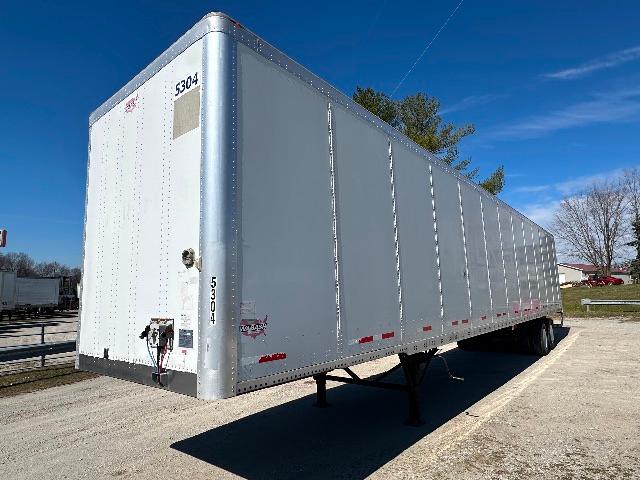
Specs matter because trailer productivity is tied directly to weight, cube, and dock compatibility. A standard van trailer is often 53 feet long and 102 inches wide, commonly built with tandem axles, air ride suspension, swing or roll-up rear doors, and either aluminum or composite roof construction. Buyers comparing used trailers should look closely at GVWR, GAWR, axle slider condition, suspension wear, brake life, tire matching, wheel type, floor condition, and any signs of prior body or frame repair. On van trailers, details like scuff liner height, roof bow condition, crossmember integrity, and floor wear around forklift lanes can tell you a lot about how the trailer was used.
Application should drive the spec. Regional distribution fleets may prioritize quick dock turns, durable flooring, and easy parts availability. Long-haul operators often focus on tare weight, aerodynamic packages, tire inflation systems, and maintenance history. Flatbed buyers tend to pay attention to deck material, winch track setup, coil package options, and rub rail condition, while reefer buyers need to evaluate unit hours, fuel system condition, and insulation performance. Specialty buyers may also need to verify bridge law compliance, kingpin settings, spread axle versus tandem layouts, and overall trailer dimensions before putting a unit into service.
For any trailer category, condition is more important than paint. Check for corrosion around the rear frame, landing gear operation, air leaks, ABS function, suspension bushing wear, and signs of uneven tire wear that may point to alignment or axle issues. Title status, VIN plate legibility, and service records also matter, especially for fleets trying to reduce downtime after purchase. A well-matched trailer can improve payload efficiency, loading speed, and compliance, while the wrong configuration can create daily operating headaches even if the purchase price looks attractive.
Frequently Asked Questions about Trailers Near Grovertown, Indiana
What should I look for first when buying a used trailer?
Start with the trailer type and spec match for your freight, then inspect structural condition. The frame, crossmembers, suspension, axles, brakes, tires, floor, and rear structure tell you more about long-term value than cosmetic appearance. On enclosed trailers, check for roof leaks, wall damage, and forklift abuse. On open trailers, inspect deck condition, tie-down systems, and any evidence of frame stress or weld repair.
What is the most common trailer size for general freight?
For general freight, the most common setup is a 53-foot trailer with a 102-inch width and tandem axles. That configuration works well for palletized freight, dock loading, and standard over-the-road operations. Many buyers also look for air ride suspension and sliding tandem axles because they help with ride quality, weight distribution, and bridge compliance.
How do I choose between tandem axles and spread axles on a trailer?
Tandem axles are the standard choice for many freight applications because they are easier to maneuver in tight areas and widely accepted across general freight operations. Spread axles can offer weight distribution advantages and may reduce the need to slide axles in some applications, but they can be harder on tires in tight turns and are not ideal for every route or commodity. The right choice depends on load profile, state weight laws, and how often the trailer operates in congested delivery areas.
Why does trailer floor condition matter so much on a van trailer?
Floor condition is critical because repeated forklift traffic can weaken boards, fasteners, and crossmember support over time. Soft spots, patchwork repairs, and excessive wear in the forklift lanes can lead to safety issues, cargo damage, and downtime. A solid hardwood or laminated floor with no major structural deterioration is a strong indicator that the trailer can continue handling dock work reliably.
Are service records important when comparing used trailers?
Yes. Service records help confirm how the trailer was maintained and can reveal patterns in brake work, tire replacement, suspension repairs, reefer service, or structural attention. Even a basic maintenance history can help a buyer estimate near-term repair costs and reduce the risk of buying a trailer that looks acceptable but needs immediate shop time.