
Trailers For Sale Near Greenup, Kentucky
Browse trailers for sale in Greenup, Kentucky, including flatbed, dry van, dump, lowboy, tanker, and equipment hauling options.
Learn more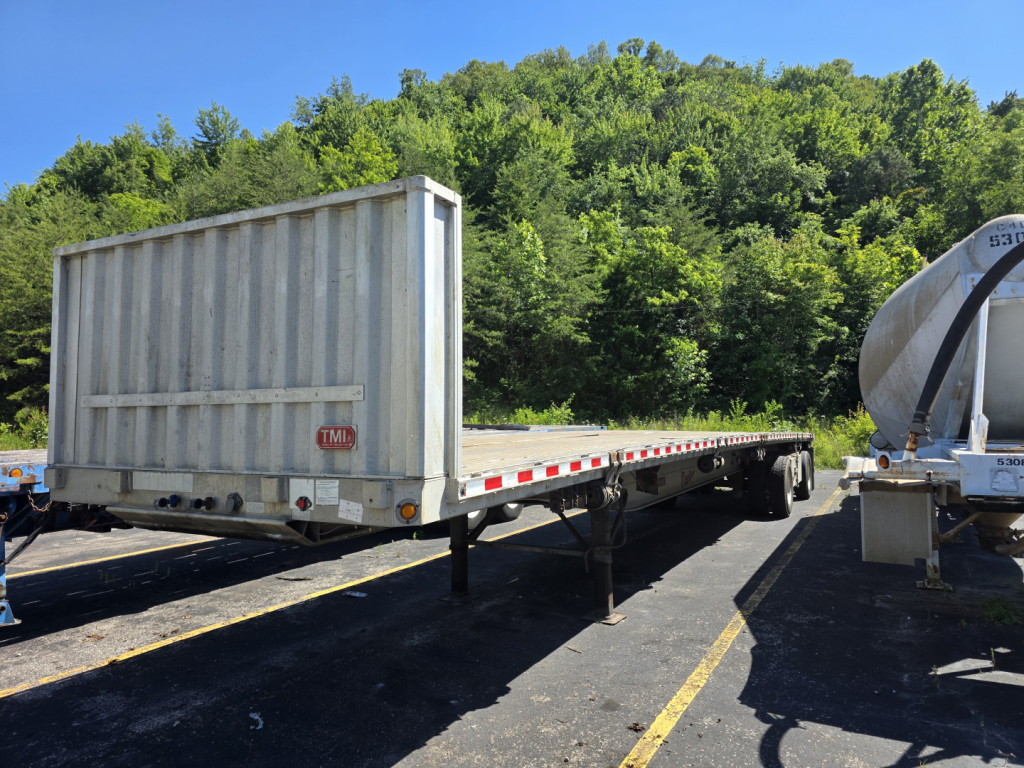
Have trailer to sell? List it here to reach thousands of buyers.
About Trailers Near Greenup, Kentucky
Specs matter more than paint. Buyers should look closely at overall length, legal width, GVWR, axle count, suspension type, floor construction, brake setup, wheel end condition, and tire size. On open-deck trailers, deck material, crossmember spacing, kingpin setting, rub rail design, stake pockets, winches, and chain storage all affect daily usability. Aluminum trailers reduce tare weight and can improve payload, while steel construction may be preferred for severe-duty service and impact resistance. On van and reefer trailers, door opening dimensions, roof condition, scuff liners, logistic posts, floor wear, and air ride suspension can make a major difference in resale and operating cost.
For heavy haul or equipment transport, the key decisions are deck height, concentrated load rating, ramp style, detachable gooseneck design, and axle spread. Construction and aggregate work call for attention to body capacity, liner condition, hoist system health, gate configuration, and frame integrity. A buyer comparing used trailers should also inspect the landing gear, ABS system, wiring, lights, hubs, drums or discs, air lines, and signs of frame repair or corrosion. In Kentucky, road salt, moisture, and mixed-service use can accelerate wear on wiring, suspension components, and structural areas around crossmembers and rear impact guards.
A good trailer purchase is usually the one that matches freight profile, loading equipment, and compliance requirements without adding unnecessary tare weight or complexity. Flatbeds may need coil package features, headboards, and chain and binder racks. Vans may need swing doors or roll-up doors depending on dock access. Reefer buyers need to evaluate hours, unit brand support, and insulation condition in addition to the trailer itself. The most efficient way to compare trailers is to focus on application first, then verify structural condition, service history, and the exact specs that affect payload, securement, and route flexibility.
Frequently Asked Questions
What should I look for first when buying a used trailer?
Start with the trailer type, axle rating, and structural condition. The frame, crossmembers, suspension mounts, landing gear supports, and rear impact area tell you more about long-term value than cosmetic appearance. After that, verify brake condition, tire wear, wheel ends, lights, ABS function, and any signs of previous damage or poor repairs. Matching the trailer to the freight and loading method is more important than choosing by brand alone.
Are aluminum trailers better than steel trailers?
Aluminum trailers usually offer lower tare weight, which can improve payload capacity and fuel efficiency in weight-sensitive operations. Steel trailers are often favored in severe-duty applications because they can be more tolerant of repeated impact, abrasion, and rough loading. The better choice depends on freight type, route conditions, repair preferences, and how important every pound of payload is to the operation.
What features matter most on a flatbed trailer?
Deck length, deck material, kingpin setting, crossmember spacing, rub rails, stake pockets, winch track, and tie-down access are the main functional features. Buyers hauling steel or machinery may also want a coil package, header board, chain racks, and strong securement points. On a used flatbed, inspect the deck surface, main beams, trailer neck, air system, and any aluminum components for cracking or prior weld repairs.
How do I know if a trailer is suitable for heavy equipment hauling?
Check the gross vehicle weight rating, deck height, axle configuration, load concentration rating, and ramp or detachable gooseneck setup. Heavy equipment trailers need the right frame design and load distribution for machines with high point loads, not just enough deck space. Tire rating, brake capacity, suspension type, and legal axle spread also need to align with the equipment being moved and the states where it will operate.
Why does trailer suspension type matter?
Suspension type affects ride quality, cargo protection, tire wear, and maintenance intervals. Air ride suspension is common for van, reefer, and many flatbed applications because it helps protect freight and can improve ride stability. Mechanical suspension can be simpler and durable in harsher environments, but it may transfer more shock to the trailer and load. The right suspension depends on cargo sensitivity, operating terrain, and maintenance priorities.