
Trailers For Sale Near Greeley, Colorado
Have trailer to sell? List it here to reach thousands of buyers.
Trailers Near Greeley, Colorado
For reefer buyers, the important details go well beyond trailer length and width. Pay close attention to the refrigeration unit brand and model, multi-temp versus single-temp configuration, floor type, door style, and insulation-related construction. Aluminum duct floors and flat floors each suit different freight profiles, and rear swing doors versus roll-up doors can affect dock use, sealing, and service life. Suspension, tandem slider operation, tire size, and wheel material also matter, especially for fleets balancing payload, maintenance cost, and lane flexibility. In Colorado, reefer buyers often look closely at unit hours, fuel system condition, and how well the trailer handles both summer heat and winter cold on longer regional runs.
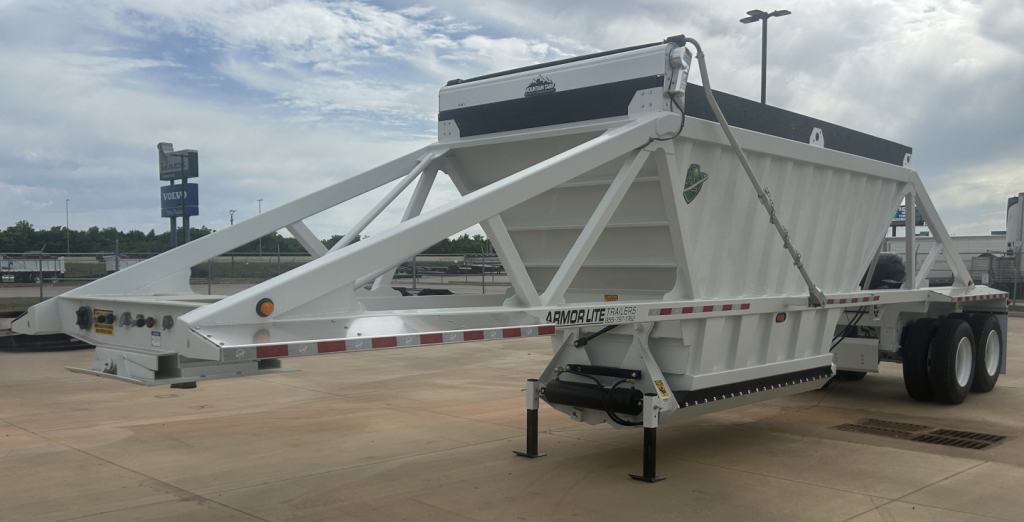
Flatbed and dump trailer buyers tend to focus more on structure, cargo securement, and tare weight. On flatbeds, key items include deck length, floor material, crossmember spacing, winch track setup, rub rail condition, and air ride versus spring ride. A wood floor and sliding winch track remain common for general freight, steel products, machinery, and building materials. On dump trailers, body composition, cubic yard capacity, axle count, lift axles, gate controls, tarp systems, and kingpin plate design are major spec points. Lightweight high-cube dumps can improve payload on aggregate, feed, or commodity work, but buyers still need to evaluate frame integrity, hoist condition, liner wear, brake life, and tire condition.
Greeley is a practical market for trailer buyers because equipment here often aligns with agriculture, food production, construction, and regional highway freight. That means buyers will regularly see refrigerated vans suited for food and perishables, flatbeds for steel and farm inputs, and dump trailers for gravel, silage, demolition, and bulk material hauling. When comparing trailers, look at the complete operating picture: legal payload, axle spread, suspension type, door and floor condition, wheel-end service history, and how the trailer's spec fits your lanes and loading environment. A trailer that is technically usable but mismatched to your freight mix will usually cost more in downtime, loading inefficiency, or lost payload than a properly spec'd unit.
Frequently Asked Questions about Trailers Near Greeley, Colorado
What types of trailers are most common in Greeley, Colorado?
Reefer trailers, flatbed trailers, and dump trailers are all common in the Greeley market because the region supports food production, agriculture, construction, and general freight. Refrigerated trailers are frequently used for temperature-sensitive freight, flatbeds are common for building materials and equipment, and dump trailers are well suited for aggregate, feed, and other bulk commodities. The best trailer type depends on the cargo, loading method, and route profile rather than price alone.
What should I check first when buying a used reefer trailer?
Start with the refrigeration unit, the trailer body, and the floor. Unit brand, model, hours, temperature performance, and service records matter as much as the box itself. Inspect the floor for wear and soft spots, verify door seal condition, and check for damage around the front wall, rear frame, and evaporator area. Suspension condition, slider operation, tire wear, and air system leaks should also be reviewed because reefer downtime often comes from chassis issues as much as refrigeration problems.
How do I choose between a flatbed and a dump trailer?
Choose a flatbed if the freight is loaded from the side, top, or by crane and requires straps, chains, or tarps for securement. Choose a dump trailer if the load is bulk material that can be unloaded by gravity through a raised body. Flatbeds are more versatile for machinery, steel, lumber, and palletized outdoor freight. Dump trailers are more efficient for sand, gravel, dirt, demolition, and agricultural commodities, but body design, axle configuration, and weight capacity become much more important.
Why do trailer suspension and axle setup matter so much?
Suspension and axle configuration affect ride quality, tire wear, legal weight distribution, and maintenance cost. Air ride is common on reefer, flatbed, and many dump applications because it helps protect cargo and equipment while improving ride characteristics. Sliding tandems give flexibility for bridge laws and dock positioning, while lift axles on dump trailers can improve payload management and reduce tire scrub when empty. Buyers should match axle setup to their freight weight, road conditions, and state compliance needs.
What trailer specs have the biggest effect on payload and operating cost?
Trailer tare weight, body material, axle count, suspension type, tire size, and wheel choice all have a direct effect on payload and operating cost. A lighter trailer can increase legal payload, but durability still matters if the trailer will see rough job sites or concentrated loads. Floors, crossmembers, brakes, wheel ends, and tarp or door systems also influence maintenance expense over time. The lowest purchase price is not always the lowest total cost if the trailer is overbuilt for the job or too light for the service it will actually perform.