
Used Great Dane Trailers For Sale in Illinois
Shop used Great Dane trailers in Illinois, including dry vans, reefers, and flatbeds with common specs, suspension types, and cargo features.
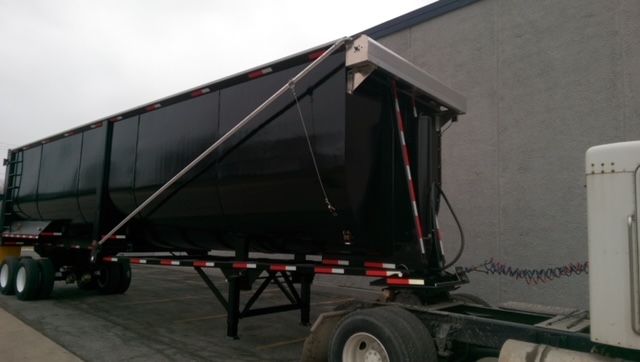
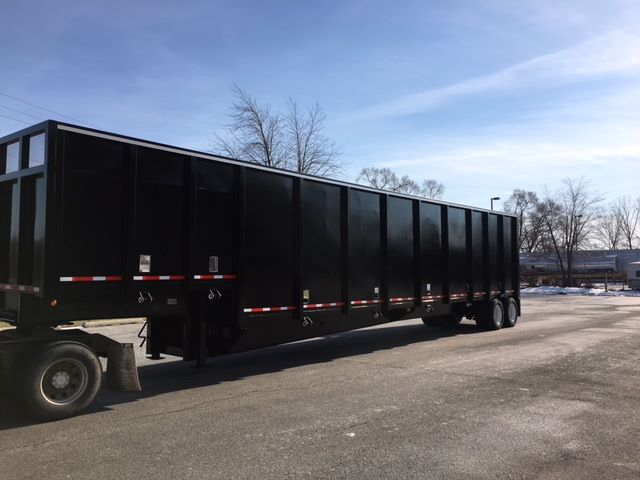
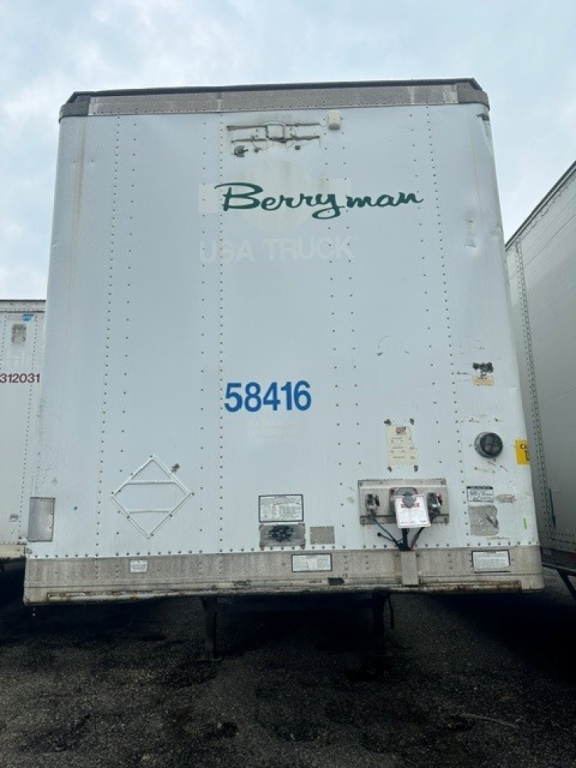
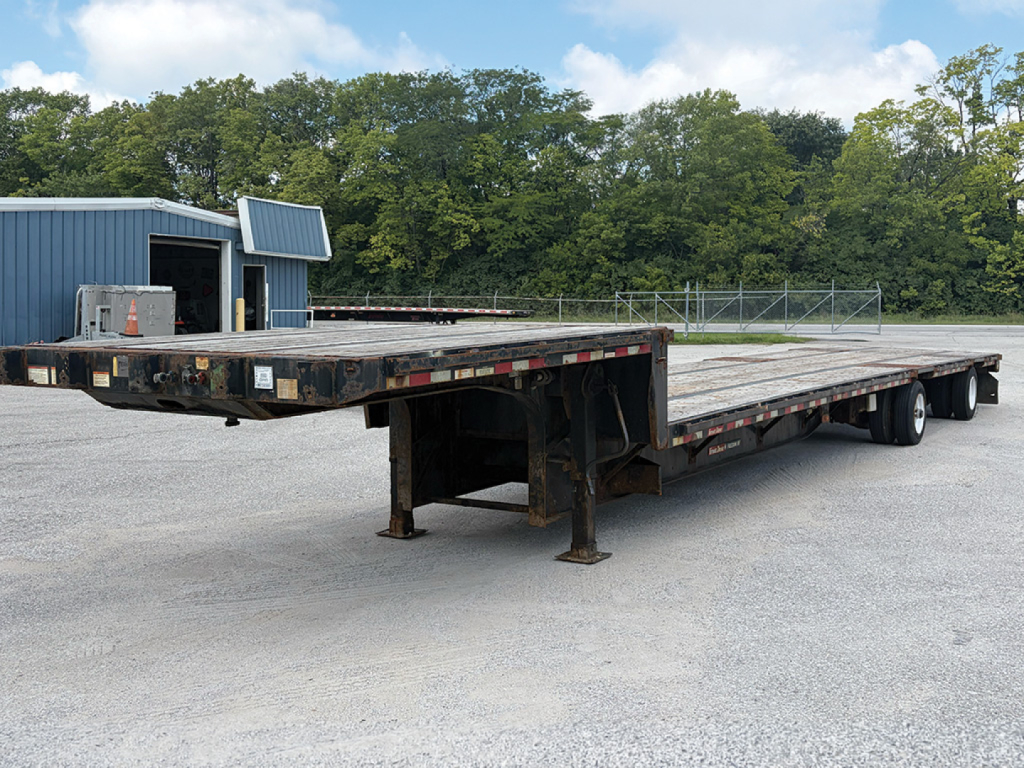
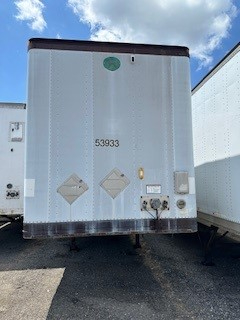
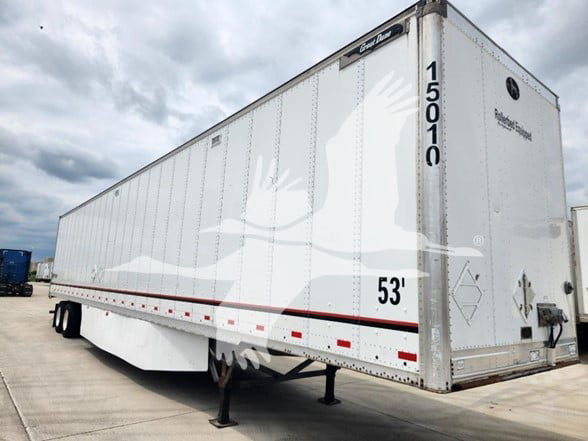
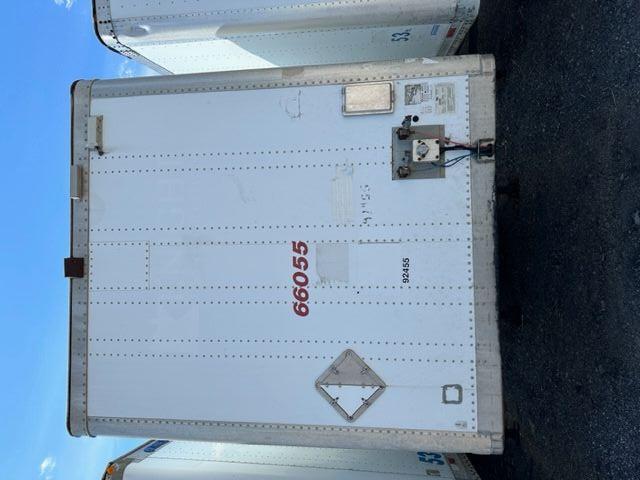

Showing 1 to 28 of 64 results
Selling a used great dane trailer? List your used great dane trailer for sale and reach thousands of commercial buyers.
Used Great Dane Trailers in Illinois
For dry van buyers, the main decision points are body construction, interior cargo management, door style, suspension, and tandem configuration. Many used Great Dane vans are aluminum-bodied units with wood floors, scuff liners or scuff plates, logistics posts, and E-track for mixed freight. Swing doors are still preferred for full rear access and easier seal management, while roll-up doors can be useful in urban delivery or repeated dock work where clearance behind the trailer is limited. Air ride suspension is typically better for higher-value or damage-sensitive freight, while spring ride can lower purchase cost and simplify maintenance. A sliding tandem is especially important in Illinois and neighboring states where bridge law compliance and dock positioning can affect how versatile the trailer is across different lanes.
On reefer models, buyers should focus first on the refrigeration unit hours, maintenance history, floor condition, and door opening configuration. Great Dane refrigerated trailers are often found with Carrier or Thermo King units, aluminum or ducted interiors, flat or channel floors, stainless rear frames, and cargo control such as E-track. A reefer with a sound floor, tight doors, intact lining, and a clean evaporator and unit service record will usually matter more than cosmetics. If the trailer will haul food-grade freight, produce, frozen loads, or pharmaceutical-related cargo, inspect the interior closely for previous damage, patches, or moisture intrusion. For Illinois operations with four-season temperature swings, unit pull-down performance and insulation integrity deserve as much attention as the engine hours on the reefer itself.
Great Dane flatbeds also remain relevant in the used market, especially for steel, machinery, building products, and regional construction freight. Buyers should inspect crossmembers, frame rails, winch tracks, bulkheads, flooring, and tandem slide function. An older flatbed with an Apitong floor, stake pockets, and usable tie-down hardware can still be a practical trailer if the structure is sound and the suspension tracks straight. Across all Great Dane trailer types, common checkpoints include tire size, wheel material, brake condition, ICC bumper integrity, roof condition on vans, and signs of prior dock impact or floor fatigue. A used Great Dane trailer is usually at its best when the spec matches the freight, the axle setup matches the lane, and the trailer's maintenance record supports the age and application.
Frequently Asked Questions about Used Great Dane Trailers in Illinois
What types of used Great Dane trailers are most common in Illinois?
The most common used Great Dane trailers in Illinois are dry vans, refrigerated trailers, and flatbeds. Dry vans are widely used in retail, distribution, and general freight. Reefers are common in foodservice, grocery, and temperature-controlled lanes. Flatbeds are frequently used for steel, lumber, machinery, and construction materials. Illinois buyers often see a mix of 45-foot, 48-foot, and 53-foot trailers depending on whether the trailer came from regional, dedicated, or over-the-road service.
What should I inspect first on a used Great Dane dry van?
Start with the floor, roof, rear frame, suspension, and tandem slider. Wood floor condition is critical because fork truck traffic can hide wear, soft spots, or patched sections. Check the roof for prior damage or leaks, and inspect the rear frame and door hardware for dock impact. Look at scuff liners, logistics posts, and E-track if the trailer will carry mixed freight. The tandem slide should move correctly and lock securely, since that directly affects weight distribution and bridge law compliance.
How do I evaluate a used Great Dane reefer trailer?
The reefer unit and the trailer body need to be evaluated as two separate systems. Review refrigeration unit hours, service records, engine condition, and operating performance under load or during pull-down. Then inspect the trailer interior for floor wear, lining damage, loose or damaged insulation panels, and door seal condition. A reefer that looks clean but has poor insulation or weak door seals can be expensive to operate. Stainless rear frames, solid floors, and documented maintenance are usually stronger indicators of value than appearance alone.
Are Great Dane flatbeds a good choice for steel and building materials?
Great Dane flatbeds can be a solid choice for steel, machinery, and building products if the trailer has the right structural condition and securement setup. Buyers should look for a straight frame, healthy crossmembers, usable winches, sound stake pockets, and a floor that has not deteriorated around high-stress load points. An Apitong floor is still desirable for many flatbed applications because it holds up well under repeated loading. Suspension condition and tandem slide operation also matter, especially for regional hauls with changing load weights.
Why is a sliding tandem important on a used trailer in Illinois?
A sliding tandem gives the trailer more flexibility for axle weight distribution, bridge law compliance, and docking position. That is especially useful in Illinois, where freight moves through a wide mix of urban distribution centers, intermodal yards, and regional highways. A trailer with a functional slider can adapt more easily to different commodities, shippers, and state routing requirements. Buyers should confirm the slider rails, pins, and locking mechanism are in good condition because repairs in that area can become costly.