
Great Dane Trailers For Sale in Florida
Shop Great Dane trailers for sale in Florida, including dry vans, reefers, and flatbeds with specs, applications, and buying tips.
Selling a great dane trailer? List your great dane trailer for sale and reach thousands of commercial buyers.
Great Dane Trailers in Florida
For dry van buyers, key details usually come down to body composition, interior lining, floor condition, rear door style, and suspension. Many Great Dane vans are aluminum-bodied trailers with wood floors, scuff liners or scuff plates, and either swing or roll-up rear doors. Sliding tandems are common and important if you run freight that requires bridge compliance or dock flexibility. In Florida’s humid climate, it pays to inspect roof seams, sidewall rivets, floor fasteners, crossmembers, and door frame integrity closely. Plywood lining, E-track, threshold plates, and inside height are also worth checking if the trailer will handle LTL, retail freight, or frequent dock loading.
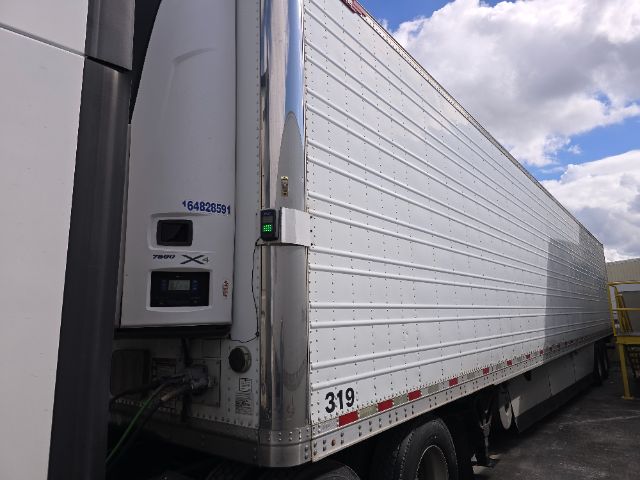
On reefer models, buyers should look beyond the box and evaluate the refrigeration unit, hours, air chute condition, drain function, door seals, and floor wear. Great Dane refrigerated trailers are commonly used in produce, frozen food, dairy, and other temperature-controlled lanes, so insulation performance and structural condition matter as much as engine hours on the unit. Suspension type, tire size, brake life, and trailer weight all affect operating cost. In a state like Florida, where reefer freight can include long idle periods and high ambient temperatures, a clean evaporator area, solid bulkhead, and good seal integrity are not small details. They directly affect pull-down times and fuel consumption.
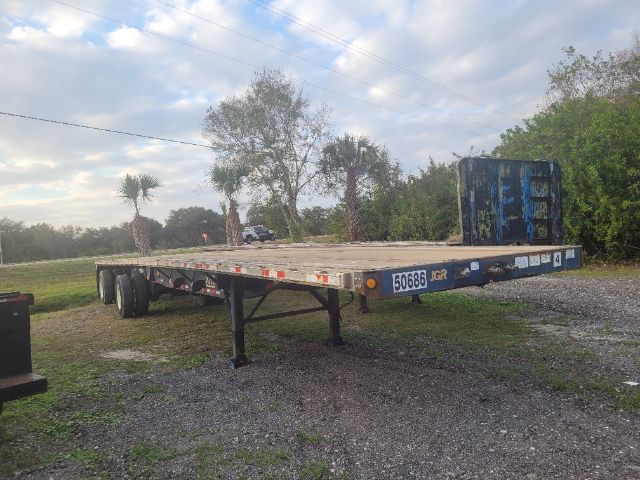
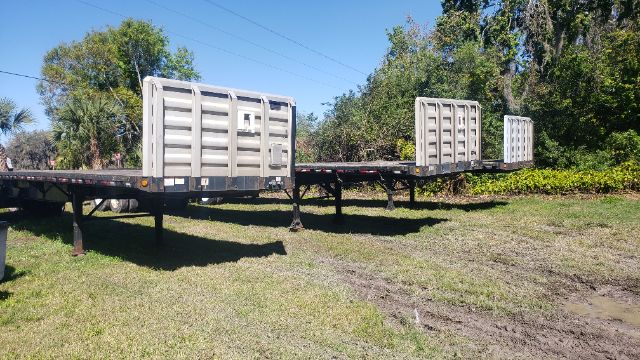
Great Dane flatbeds are typically seen in 48-foot and 53-foot tandem axle setups, often with aluminum combo construction or steel floor sections depending on the intended load. Buyers hauling machinery, steel, lumber, pipe, or palletized building products should pay close attention to deck condition, frame straightness, suspension, tire wear patterns, and the presence of tie-down features. Air ride suspension is common and valuable for freight that needs better ride quality. If the trailer will work in regional construction or agricultural lanes, inspect for corrosion, prior deck repairs, and any signs of concentrated load damage. Across all Great Dane trailer types, the best buying approach is to match the trailer’s structure, suspension, dimensions, and cargo-control setup to the freight you actually haul, not just the price tag.
Frequently Asked Questions about Great Dane Trailers in Florida
What types of Great Dane trailers are most common on the used market?
The most common Great Dane trailers on the used market are 53-foot dry vans, 53-foot refrigerated trailers, and 48-foot or 53-foot flatbeds. Dry vans are widely used for general freight and retail distribution, reefers serve temperature-controlled freight, and flatbeds are common for construction materials, machinery, and steel. Most are 102 inches wide, with tandem axles and air ride suspension frequently found in fleet-spec units.
What should I inspect first on a used Great Dane dry van trailer?
Start with the floor, roof, rear frame, suspension, brakes, and tandem slider. Floor rot, soft spots, damaged crossmembers, and rear door frame issues can turn a low-price trailer into an expensive repair. Buyers should also inspect sidewall condition, scuff liners, roof bows, and signs of water intrusion. If the trailer will be loaded heavily or used in high-cycle dock service, structural condition matters more than cosmetic appearance.
Are Great Dane reefer trailers a good choice for Florida freight?
Great Dane reefer trailers are a strong fit for Florida freight because they are commonly used in produce, grocery, and temperature-sensitive distribution. The trailer body is only part of the equation, though. Buyers need to evaluate refrigeration unit hours, maintenance history, insulation integrity, door seals, and floor condition. In hot, humid operating conditions, seal quality and insulation performance have a direct impact on temperature control and fuel use.
What matters most when buying a used Great Dane flatbed?
The most important checks on a used Great Dane flatbed are deck condition, frame alignment, axle condition, suspension type, and cargo securement features. Aluminum combo flatbeds can offer a useful balance of strength and tare weight, but buyers should inspect carefully for repaired sections, cracked welds, or damage from concentrated loads. If the trailer will haul steel, equipment, or building materials, tie-down layout and overall structural integrity are critical.
Do Great Dane trailers generally hold their value well?
Great Dane trailers generally hold value well because the brand is well known across commercial fleets, leasing companies, and independent operators. Market value still depends heavily on trailer type, age, structural condition, maintenance history, and specification. A clean dry van or reefer with sound structure, usable brakes and tires, and a serviceable suspension package will typically be easier to remarket than a trailer with deferred repairs or mismatched fleet modifications.