
Trailers For Sale Near Gardena, California

Have trailer to sell? List it here to reach thousands of buyers.
Trailers Near Gardena, California
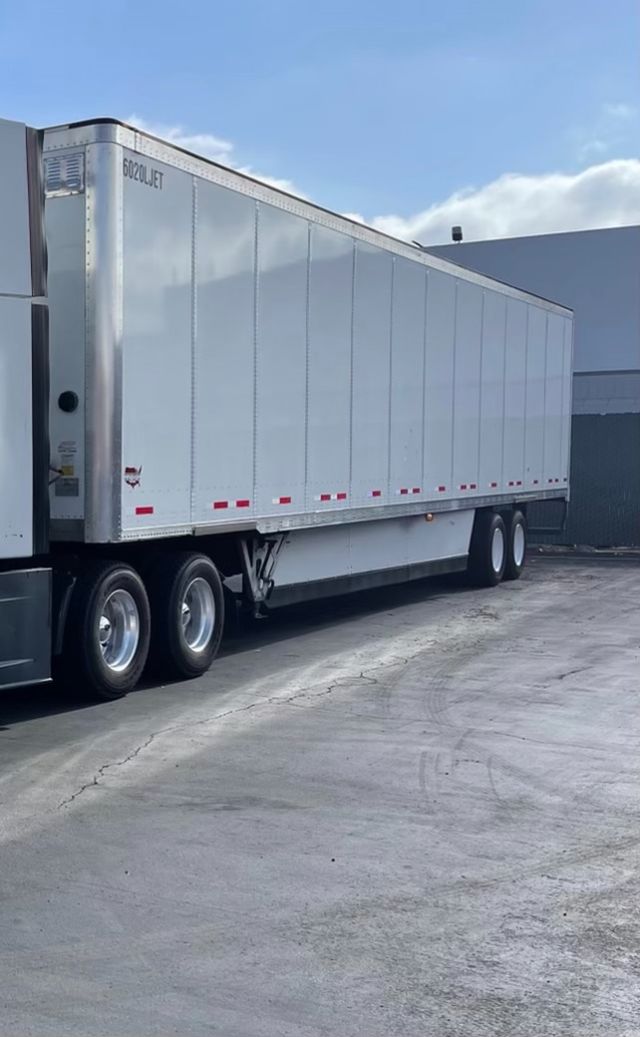
Dry van trailers remain one of the most common choices because they protect general freight, palletized goods, retail loads, and packaged products from weather and theft. Common lengths are 48 and 53 feet, with 102-inch width standard on many over-the-road units. Buyers typically compare air ride versus spring ride, wood floor versus aluminum floor, rear door style, logistics posts or E-track, and tandem slider condition. If the trailer will see frequent dock work or route delivery, details like a roll-up door, liftgate, and floor condition matter as much as overall age. On used vans, pay close attention to roof integrity, sidewall repairs, brake wear, tire condition, and signs of frame or crossmember damage.
Tank trailers are a different purchase entirely because the product being hauled determines the trailer spec. Capacity, number of compartments, shell material, baffling, plumbing layout, and discharge equipment all affect usability and compliance. A 9,500-gallon multi-compartment tanker, for example, may suit fuel or liquid distribution work, but buyers need to verify the exact intended service, DOT and hazmat requirements, test and inspection status, and valve condition before putting it to work. With any tanker, internal condition, lining if applicable, manways, suspension, and running gear deserve a close inspection because repair costs can escalate quickly.
Across trailer types, smart buyers compare GVWR, kingpin setting, axle spread, wheel-end spec, brake type, tire size, and maintenance history before deciding on price. In California, emissions rules affect tractors more directly than trailers, but registration, brake compliance, ABS function, lighting, and overall roadworthiness still matter. A good trailer should match the freight, hold up under loading cycles, and fit the lanes it will actually run, not just look good on paper.
Frequently Asked Questions about Trailers Near Gardena, California
What should I look at first when buying a used trailer?
Start with the trailer type and intended freight, then inspect the structural and running gear components that drive uptime. Frame rails, crossmembers, suspension, axles, brakes, tires, wheel ends, lights, and floor condition are core checkpoints on almost any trailer. On enclosed trailers, inspect the roof, door seals, sidewalls, and signs of prior collision or water intrusion. Maintenance records, VIN verification, and current registration status also help confirm whether the trailer is ready for service or likely to need immediate shop work.
What is the difference between a 48-foot and 53-foot trailer?
A 53-foot trailer gives more cubic capacity and is the standard choice for many long-haul van and reefer applications, especially when maximizing pallet count matters. A 48-foot trailer can be easier to maneuver in tighter urban areas and may still fit certain regional or specialized operations well. The right length depends on your freight profile, customer docks, route density, and state or lane requirements. Capacity is important, but turning radius and operational fit often decide which size is more practical.
How important is suspension type on a trailer?
Suspension type affects ride quality, cargo protection, maintenance cost, and resale value. Air ride is common on dry vans and many highway trailers because it helps reduce cargo shock and usually offers a smoother ride for freight. Spring ride can be simpler and sometimes less expensive to maintain, but it may not be ideal for sensitive loads. Buyers should also inspect suspension components for bushing wear, airbag condition, alignment issues, and uneven tire wear, since those problems can signal bigger maintenance needs.
What should I verify before buying a tank trailer?
Confirm the tank's exact intended service, capacity, compartment configuration, material construction, and discharge setup before anything else. Then verify inspection and test status, including any required DOT or hazmat-related certifications for the product being hauled. Internal condition, valves, hoses, manways, suspension, and brake system should all be inspected carefully. Tank trailers can look sound externally while hiding costly issues in plumbing, shell condition, or compliance documentation.
Are features like E-track, roll-up doors, and liftgates worth paying for?
Those features can add real operational value when they match the job. E-track improves load securement flexibility for mixed freight and LTL-style work. A roll-up door can speed dock operations and reduce the swing clearance needed in tight spaces. A liftgate is valuable for route delivery and locations without dock access, but it adds weight and another component to maintain. Buyers should weigh convenience and revenue potential against payload reduction and service costs.