
Trailers For Sale Near Fresno, California
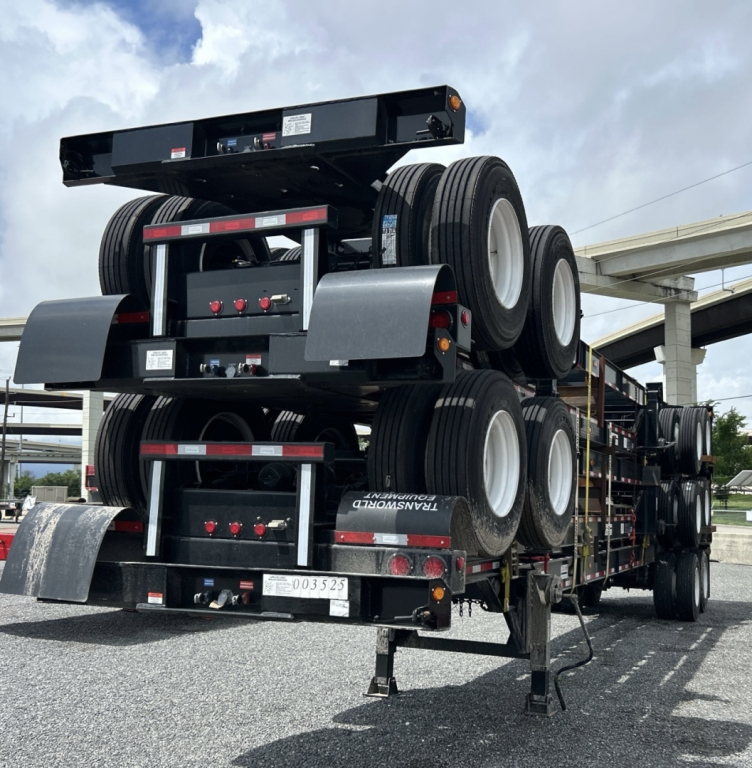
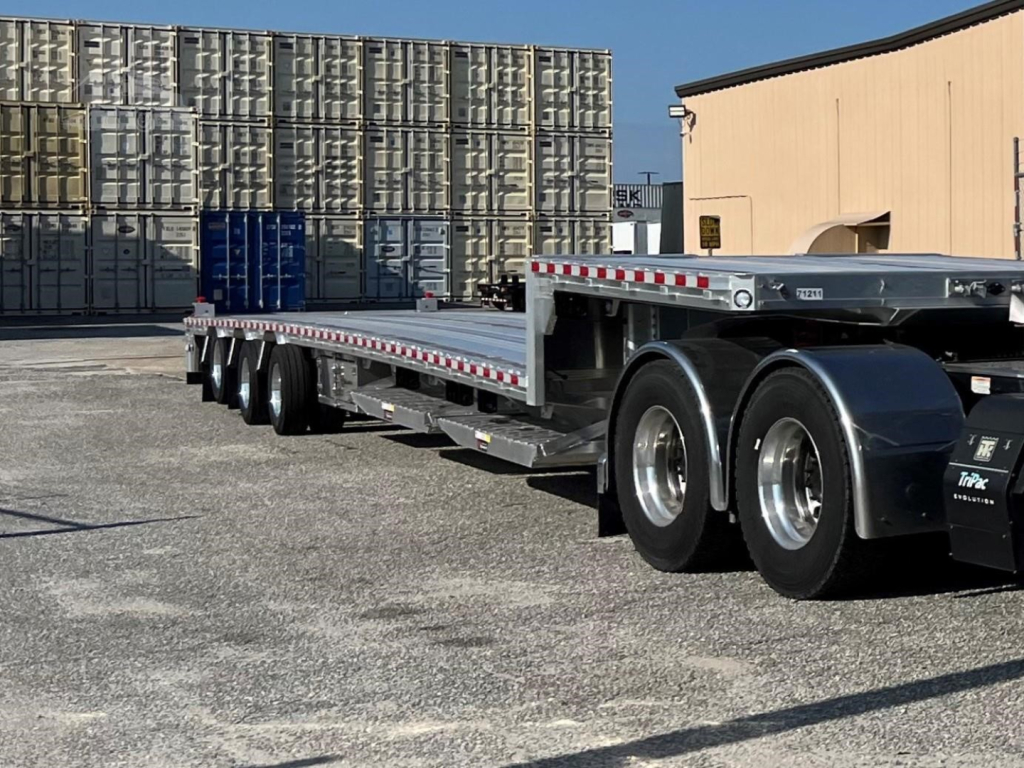
Have trailer to sell? List it here to reach thousands of buyers.
Trailers Near Fresno, California
Flatbeds and drop decks are a strong fit for machinery, building products, ag freight, and oversize loads that need open-deck flexibility. Buyers usually compare aluminum versus steel construction, main beam design, deck height, ramp setup, winch track placement, and whether the trailer has toolboxes, chain racks, scuff protection, or a tire inflation system. A lighter aluminum trailer can add payload, while a heavier steel build may be preferred for severe-duty work and repeated loading with tracked equipment. On drop decks, deck length split, loaded deck height, axle spread, and concentrated load rating over a short section are especially important when hauling compact equipment, pallets, or taller freight that must stay within legal height.
Dry vans and reefers are driven more by cube, door configuration, insulation, and operating cost. Trailer age, floor wear, sidewall condition, roof integrity, and suspension spec all affect long-term value. Reefer buyers also need to consider unit hours, service history, fuel system condition, and the practical cost of keeping the box sealed and temperature-stable in hot California conditions. For dump, tanker, and other vocational trailers, frame condition, cylinder or barrel design, liner or shell condition, brake life, and axle ratings tend to carry more weight than appearance. Across all trailer types, check tire date codes, brake measurements, bushing wear, air system leaks, lighting, ABS status, and signs of uneven tire wear that may point to alignment or suspension issues.
A good trailer purchase is usually the one that matches your freight profile without adding unnecessary tare weight, maintenance complexity, or loading limitations. Buyers comparing listings should look closely at title status, inspection history, landing gear condition, wheel-end service records, and signs of past structural repair around the neck, crossmembers, rear frame, or suspension hangers. In California, bridge law, axle spacing, and emissions-related operational planning can shape which trailer configuration makes the most sense for regional versus long-haul use. The best value is not just purchase price. It is the combination of payload capacity, durability, roadability, and how quickly the trailer can go to work.
Frequently Asked Questions about Trailers Near Fresno, California
What should I look at first when buying a used trailer?
Start with the trailer type, GVWR, axle configuration, and tare weight to confirm it fits your freight. After that, inspect the frame, crossmembers, suspension, brakes, tires, wheel ends, air lines, lights, and floor condition. Structural repairs, uneven tire wear, and poor brake or suspension condition can turn a low purchase price into a high operating cost.
Is an aluminum trailer better than a steel trailer?
Aluminum trailers generally weigh less, which can improve legal payload and fuel efficiency. Steel trailers are often favored for severe-duty applications because they can handle repeated abuse and concentrated loading well. The better choice depends on what you haul, how often you load with forklifts or heavy equipment, and whether payload or ruggedness matters more in your operation.
Why does kingpin setting matter on a trailer?
Kingpin setting affects weight distribution between the tractor drives and trailer tandems, and it can also influence turning clearance. A trailer with the right kingpin setting for your tractor wheelbase and lane requirements is easier to scale legally and may be more practical in tighter loading areas. It is an important spec for fleets that routinely run near maximum legal weight.
What is most important on a drop deck or flatbed trailer?
Deck height, deck length, concentrated load rating, axle spread, and securement setup are the main items to review. Buyers should also check winch track layout, ramp style, toolbox space, floor condition, and whether the trailer has options like air ride suspension or a tire inflation system. These details determine how easily the trailer handles machinery, palletized freight, and over-height loads.
How do I judge value on an older trailer?
Value depends less on model year alone and more on condition, spec, and maintenance history. A well-maintained older trailer with strong brakes, good tires, sound structure, and a useful configuration can be a better buy than a newer trailer with poor upkeep. Service records, title status, inspection results, and signs of prior frame or suspension repair are usually more telling than appearance.