
Trailers For Sale Near Fort Worth, Texas
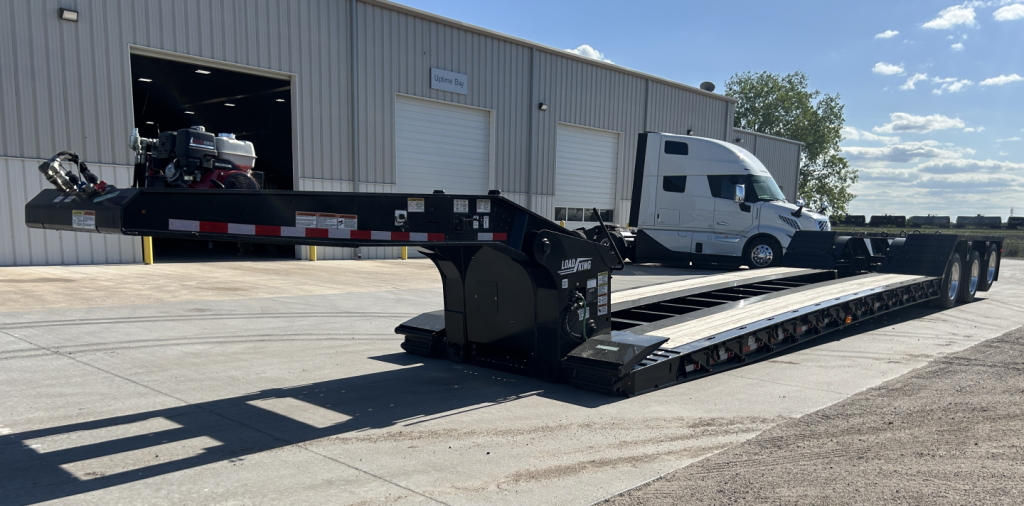
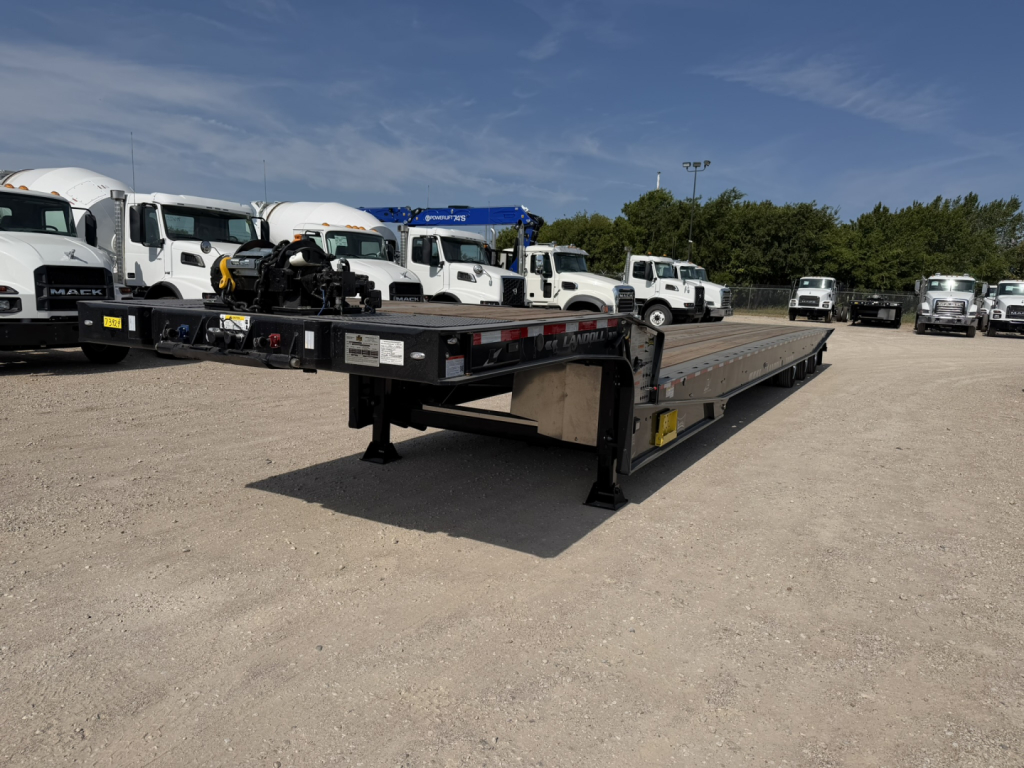
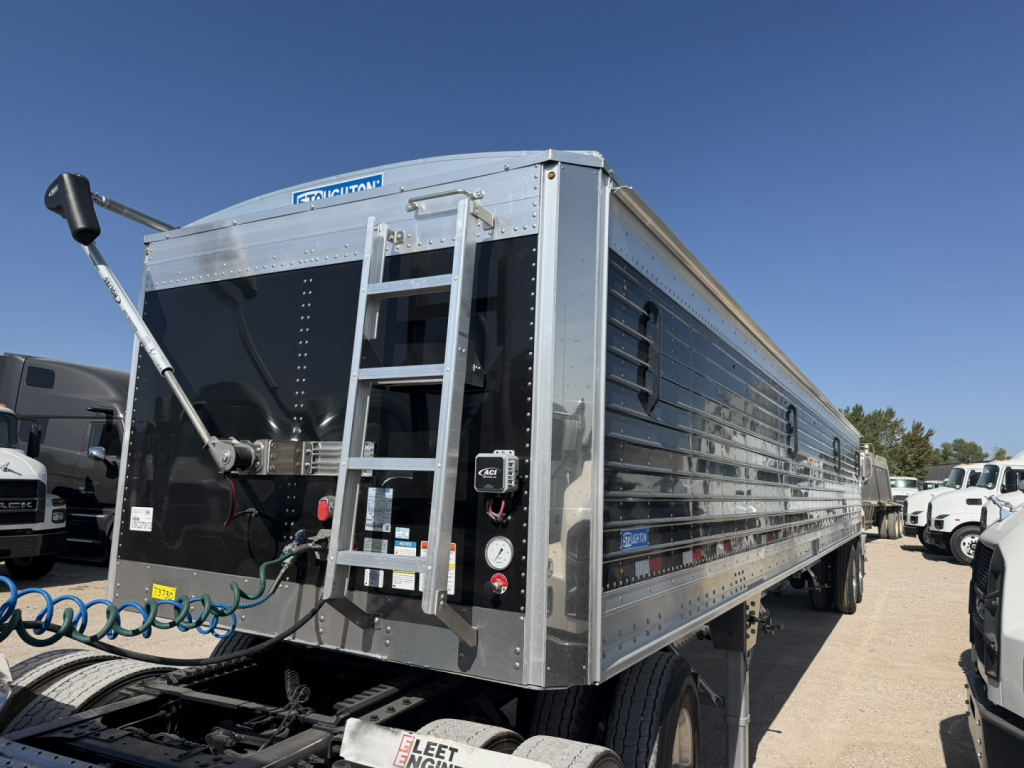
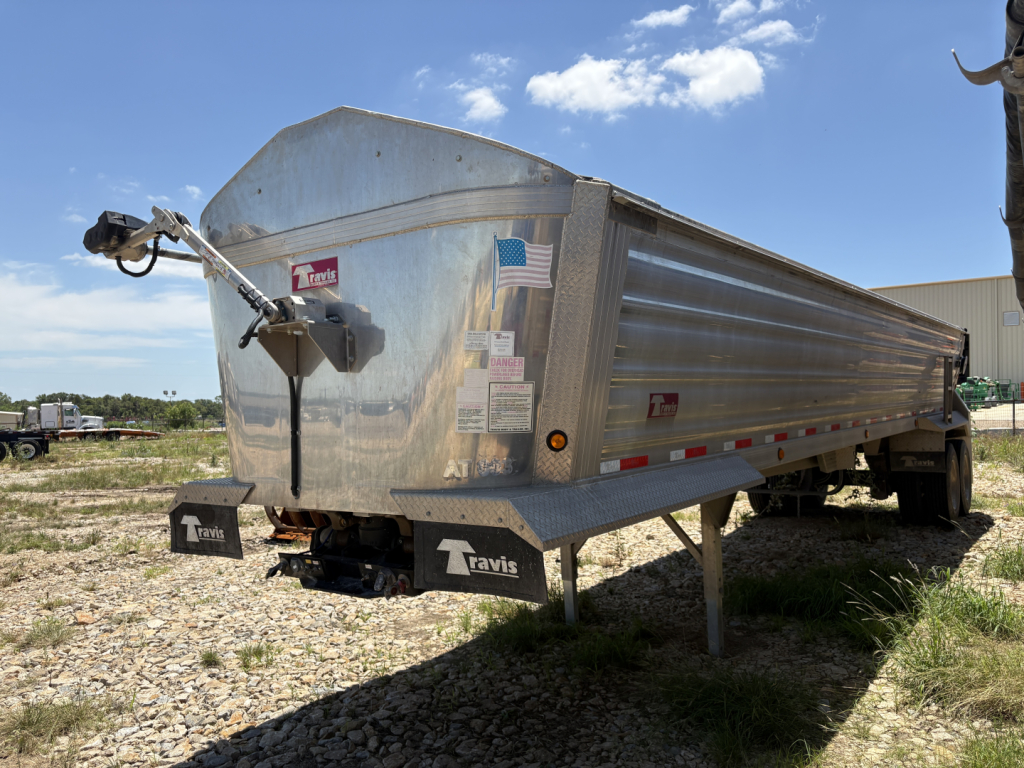

Have trailer to sell? List it here to reach thousands of buyers.
Trailers Near Fort Worth, Texas
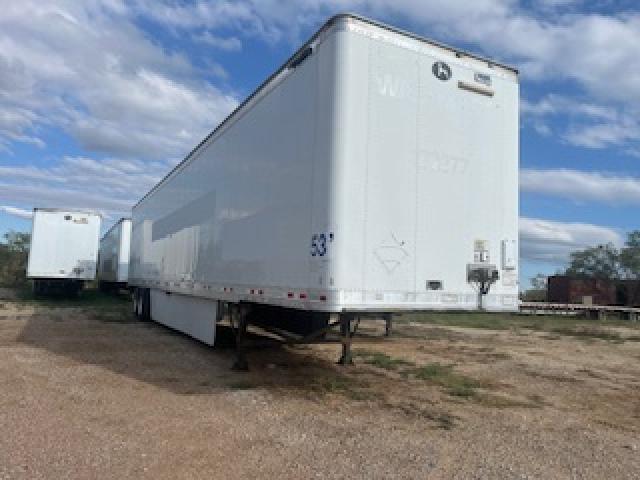
Dry vans are the standard choice for palletized freight, retail distribution, packaging, and general dry goods. Key details to compare are floor type, wall lining, logistics track or E-track, door style, and suspension. Plywood lining and scuff liners help protect sidewalls in high-touch freight. Wood floors remain common because they are durable, repairable, and forklift-friendly. Roll-up doors can speed dock work in tight spaces, while swing doors are simpler and often lighter. Sliding tandems matter for bridge law compliance and weight distribution, especially on regional and multi-state lanes. Tire inflation systems, undertray storage, and aerodynamic equipment can also affect long-term operating cost.
Reefers add another layer of buying decisions because the trailer body and refrigeration unit have to work together. Buyers should look closely at unit brand and model, floor design, ducting, rear venting, chute setup, and door seal condition. Heavy duty aluminum duct floors and flat floors affect airflow, cleanout, and forklift traffic differently. Scuff plates, stainless steel front radius panels, and stainless door frames are common on fleet-spec refrigerated trailers because they hold up better to repeated loading cycles and washdowns. Carrier and Thermo King units are the two dominant names in this segment, and service network access in Texas can be just as important as the original spec.
Fort Worth is a strong trailer market because it sits in a major freight corridor with heavy distribution, foodservice, retail, and cross-country traffic. That makes practical spec choices especially important. Air ride suspension is often preferred for ride quality and cargo protection, while spring ride can still make sense for simpler maintenance and lower upfront cost. Buyers should also pay attention to trailer age, prior fleet use, brake and wheel spec, low-profile 22.5 tires, and signs of corrosion or floor fatigue. On refrigerated trailers, verify hours on the reefer unit, recent maintenance, and the condition of insulation, drains, and door hardware. On dry vans, inspect roof condition, crossmember integrity, and interior wear patterns to make sure the trailer matches the freight it is expected to haul.
Frequently Asked Questions about Trailers Near Fort Worth, Texas
What are the most common trailer types buyers compare in Fort Worth, Texas?
The most common comparisons are dry van trailers and refrigerated trailers, also called reefers. Dry vans handle general freight that does not need temperature control, while reefers are built for produce, frozen freight, dairy, pharmaceuticals, and other temperature-sensitive loads. In the Fort Worth market, 53-foot van and reefer trailers are the standard because they fit high-volume regional and long-haul freight patterns.
What specs matter most when buying a used trailer?
The most important specs are trailer length, width, overall height, suspension type, tandem configuration, floor construction, door style, and tire and wheel setup. For reefers, buyers should also evaluate the refrigeration unit brand, hours, service history, duct floor or flat floor design, and door seal condition. For dry vans, wall lining, scuff protection, E-track, roof condition, and floor wear are usually the first areas that affect usable value.
Is air ride or spring suspension better on a trailer?
Air ride is generally preferred for better ride quality, lower cargo shock, and broader shipper acceptance, especially on higher-value or sensitive freight. Spring suspension is mechanically simpler and can reduce repair complexity, which appeals to some cost-focused operations. The better choice depends on the freight, lane miles, maintenance strategy, and how much importance the operation places on ride quality and resale demand.
What should buyers check on a used reefer trailer before purchase?
A reefer trailer should be inspected as both a trailer and a refrigeration system. Buyers should verify reefer engine hours, maintenance records, cooling performance, evaporator and condenser condition, floor integrity, airflow components such as chutes and duct floors, insulation condition, and the fit of the rear doors. It is also important to inspect drains, stainless wear areas, front wall condition, and signs of past impact damage that could affect temperature retention.
Why do sliding tandems matter on 53-foot trailers?
Sliding tandems help with axle weight distribution, bridge law compliance, and dock positioning. They give operators flexibility to shift weight for different load patterns and state requirements without changing the trailer itself. On a used trailer, buyers should make sure the slider mechanism moves properly, locking pins engage cleanly, and the rail area does not show excessive wear or damage.