
Trailers For Sale Near Fordland, Missouri
Have trailer to sell? List it here to reach thousands of buyers.
Trailers Near Fordland, Missouri
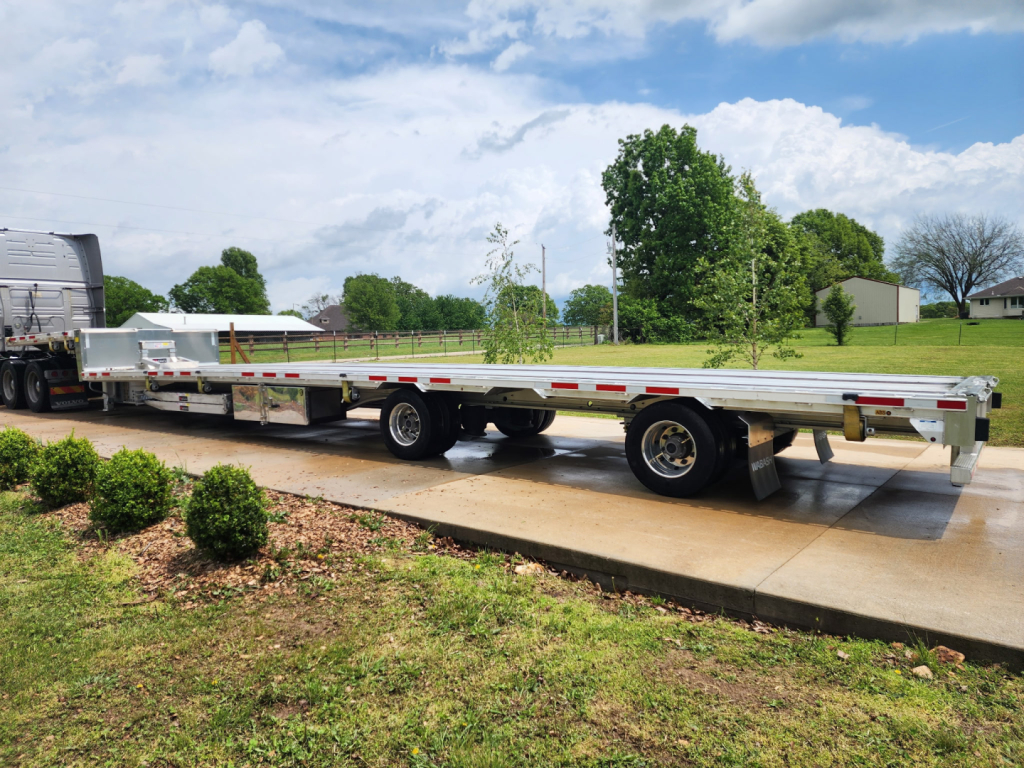
Open-deck trailers are common for machinery, building materials, palletized freight, and oversized loads that need side or crane access. Flatbeds offer a full-length deck and simple loading, while drop deck trailers reduce deck height to handle taller freight without pushing overall loaded height limits. Buyers should pay attention to GVWR, concentrated load ratings, main deck length, top deck length, aluminum versus steel construction, and whether the trailer uses fixed, sliding, tandem, or spread axles. Features like aluminum floors, ramp kits, toolbox packages, winches, chain ties, and air ride suspension can make a major difference for freight securement and cargo protection.
Enclosed trailers bring a different set of priorities. Dry vans are built for protected general freight, while refrigerated trailers add insulation, reefer units, and airflow management for temperature-sensitive cargo. For these trailers, common buyer checkpoints include interior height, door opening dimensions, floor condition, crossmember spacing, tire inflation systems, logistics posts, scuff liners, and the condition of the refrigeration system if equipped. Dump, hopper, lowboy, and specialty trailers each have their own spec priorities, but the same buying logic applies: match the trailer design to the freight, terrain, loading equipment, and regulatory requirements on the lanes you plan to run.
A serious trailer comparison should also include the running gear and service history. Suspension type, brake setup, tire size, wheel material, kingpin setting, axle configuration, and frame composition all affect stability, turning radius, tare weight, and maintenance intervals. Aluminum trailers can reduce empty weight and improve payload, while steel trailers may suit severe-duty environments where impact resistance matters more than tare weight. For Missouri operators dealing with mixed regional and highway use, it pays to look closely at rust, floor wear, lighting, air system condition, and signs of hard loading cycles. The best trailer is not just the one with the right dimensions. It is the one whose specs line up with your freight, permits, dock setup, and cost per mile.
Frequently Asked Questions about Trailers Near Fordland, Missouri
What type of trailer is best for general freight?
For general freight, a dry van is usually the standard choice because it protects cargo from weather, road debris, and theft while working well at docks and distribution centers. If the freight is palletized, boxed, or mixed consumer goods, a dry van handles most applications efficiently. If the load needs side access, overhead loading, or exceeds standard van dimensions, a flatbed or drop deck may be a better fit.
What is the difference between a flatbed trailer and a drop deck trailer?
A flatbed has a single deck height from front to rear, which makes it simple for loading and unloading from the sides or rear. A drop deck trailer, also called a step deck, has an upper deck and a lower main deck, allowing taller freight to ride lower and stay within legal height limits more easily. Buyers hauling equipment, crated machinery, or taller building materials often choose a drop deck for that extra height clearance.
Should I choose an aluminum trailer or a steel trailer?
Aluminum trailers generally weigh less, which can increase payload and improve fuel efficiency on weight-sensitive freight. They also resist corrosion well, which is useful in regions with moisture, winter road treatment, or frequent wash cycles. Steel trailers are often preferred for severe-duty applications because they can be more tolerant of concentrated impacts and rough loading, though they usually carry more tare weight and may require closer attention to corrosion control.
What trailer specs matter most when comparing listings?
The most important specs depend on the trailer category, but buyers usually start with length, width, axle configuration, suspension, GVWR, frame material, floor type, and tire and brake condition. On open-deck trailers, deck height, top deck length, main deck length, tie-down equipment, and ramp options are important. On enclosed trailers, interior dimensions, door openings, floor wear, and cargo control features like logistics posts and scuff liners are often major decision points.
How do axle configuration and suspension affect trailer performance?
Axle layout affects weight distribution, bridge law compliance, turning characteristics, and how the trailer tracks under load. Tandem, spread axle, sliding tandem, and tridem setups each serve different freight and route requirements. Suspension matters just as much because air ride can improve cargo protection and ride quality, while other suspension types may be selected for durability, simplicity, or application-specific use.