
2027 Flips/Converter Dollies/Jeeps Trailers For Sale
Shop 2027 flip axles, converter dollies, and jeeps. Compare capacity, axle spacing, width, suspension, and compatibility for heavy haul setups.
Learn moreBrowse Flips/Converter Dollies/Jeeps Trailers by Make
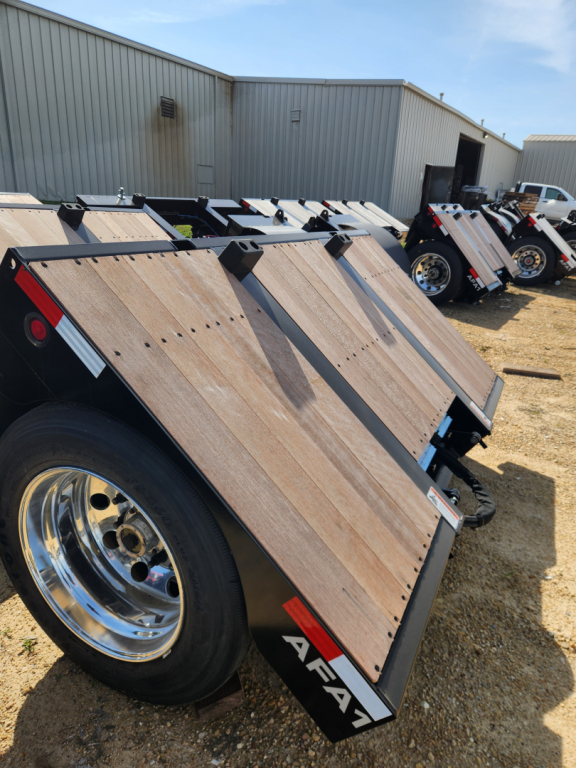
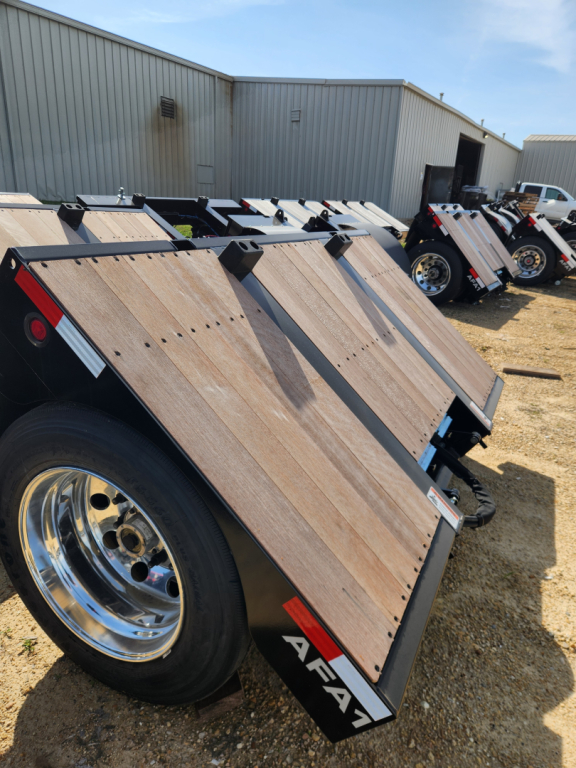
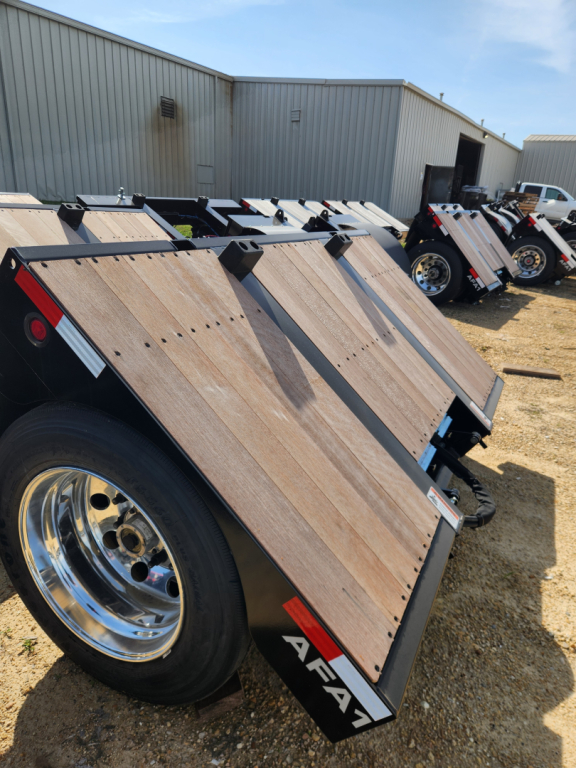
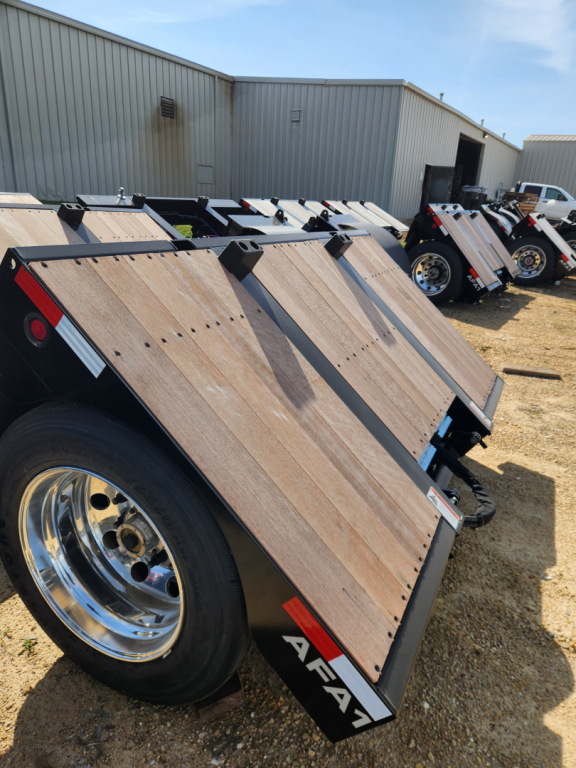
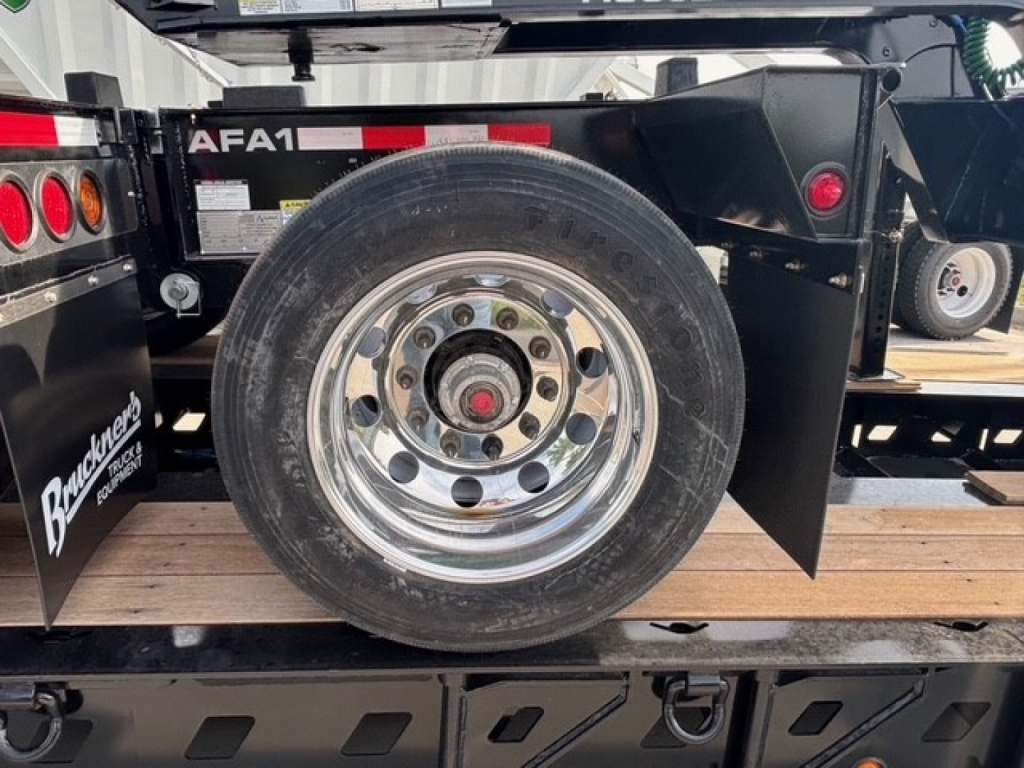
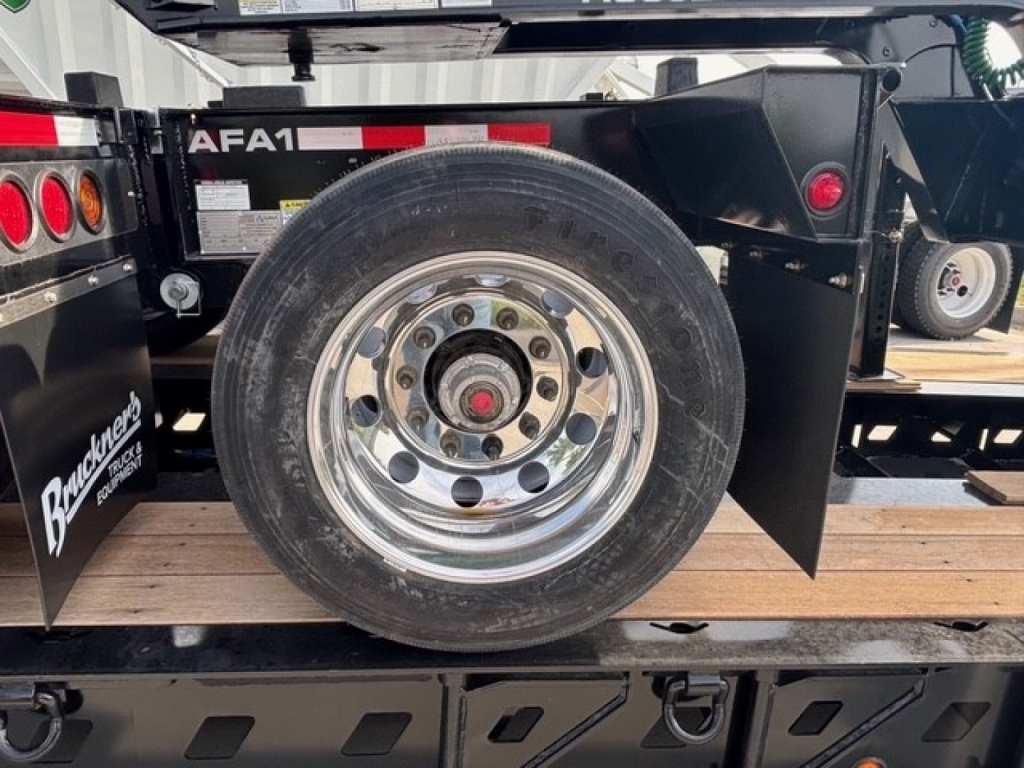
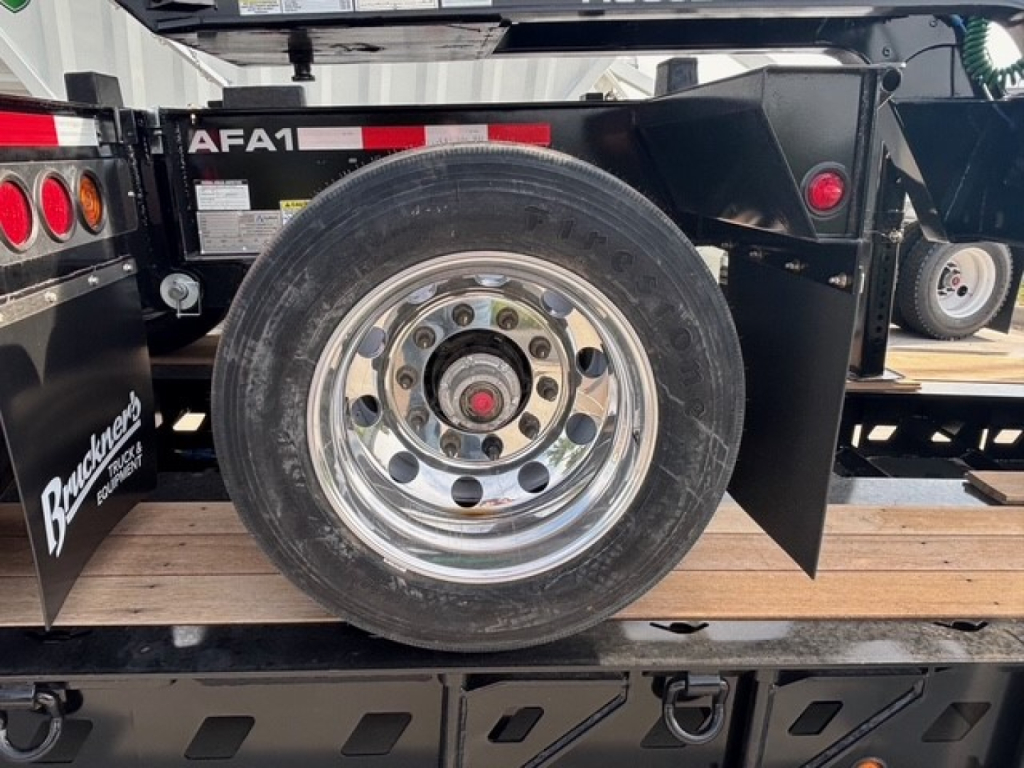
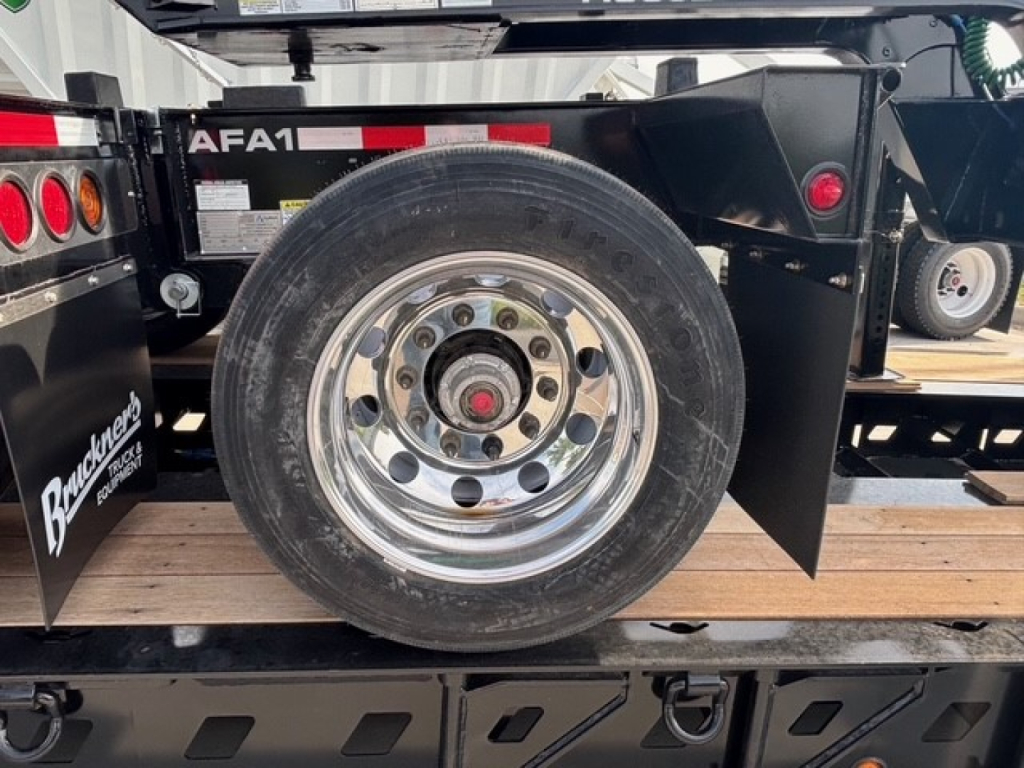
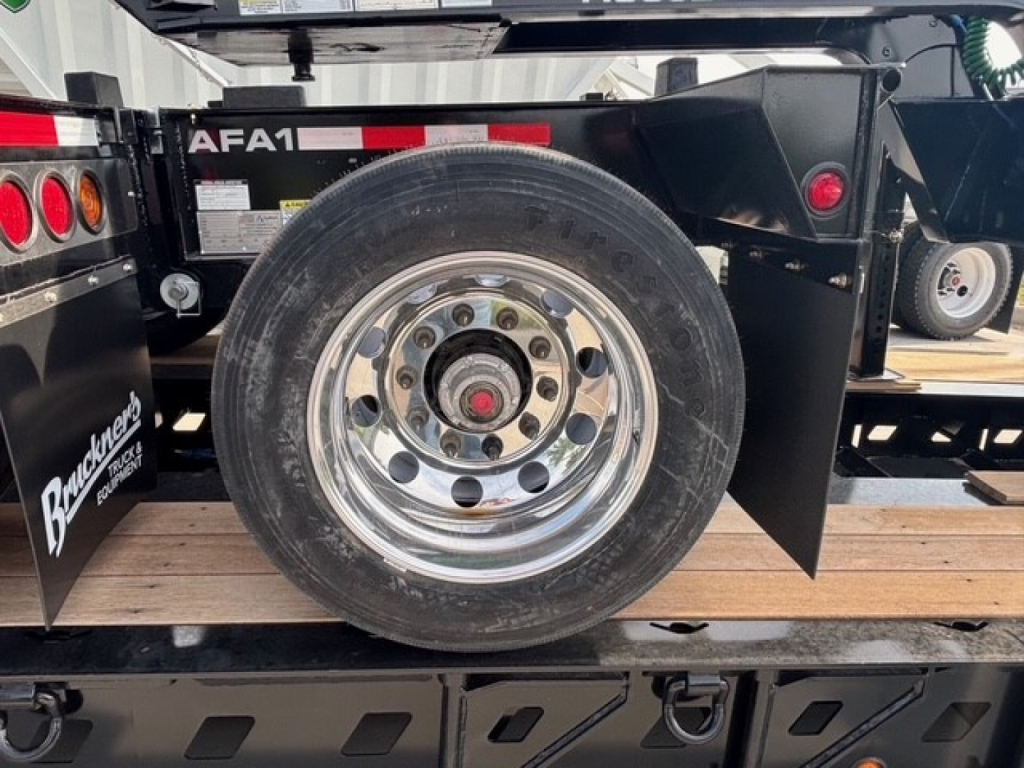
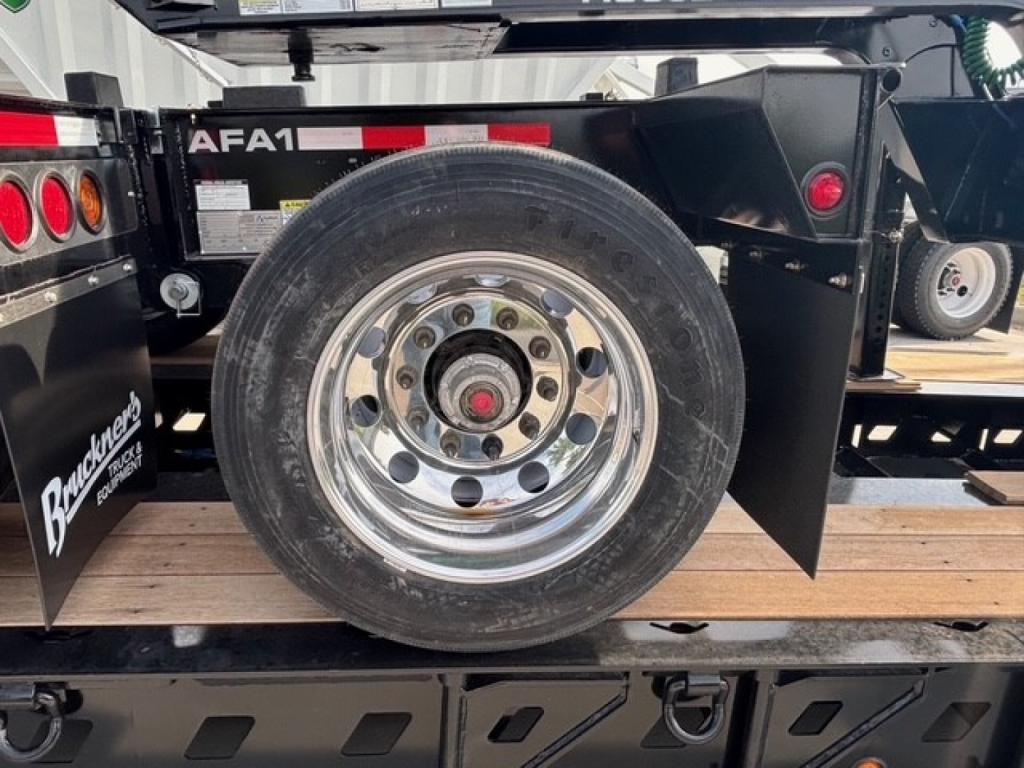

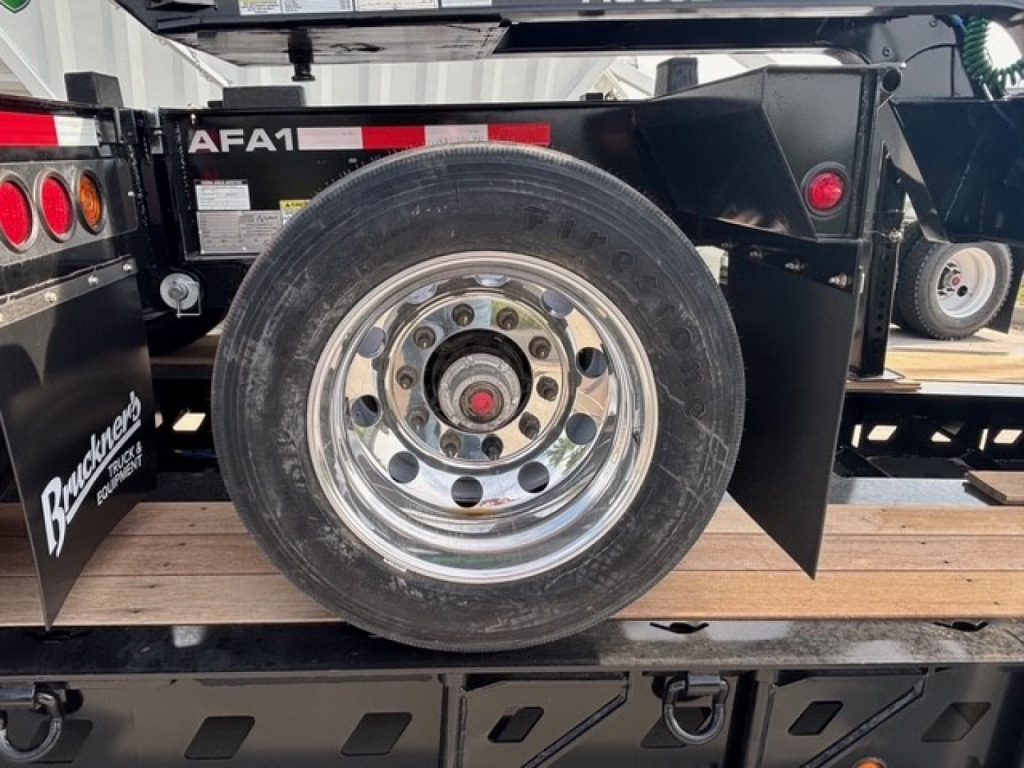
Showing 1 to 12 of 14 results
Have 2027 flips/converter dollies/jeeps trailer to sell? List it here to reach thousands of buyers.
About 2027 Flips/Converter Dollies/Jeeps Trailers
A flip axle is the simplest add-on in this class and is often the fastest way to increase carrying capacity on a compatible lowboy. Buyers should confirm deck height effect, suspension type, brake size, electrical connection style, and the exact axle spacing required by the trailer manufacturer. Many units in this category use air ride suspension, 255/70R22.5 or 275/70R22.5 tires, 16.5 x 7 brakes, hub-pilot axles, sealed 12V harnesses, and LED lighting. Practical details matter more than they look on paper. Limit chains, leveling valve controls, strobe provisions, D-rings, flag holders, stake pockets for wide load signs, and wheel specification such as aluminum outside and steel inside all affect day-to-day usability in heavy haul service.
Jeeps and converter dollies require a more careful look at geometry and legal load distribution. A jeep is installed between the tractor and lowboy to shift weight forward and create additional axle group capacity, while a converter dolly is typically used to convert a semi-trailer configuration or support an additional towing arrangement depending on the application. On heavy equipment and over-dimensional freight, the right jeep setup can make the difference between a permitable load and a route problem. Buyers should verify fifth wheel height, drawbar length, steering and tracking behavior, air and electrical hookups, brake timing, and how the unit affects bridge spacing in the states they run most. Suspension equalization and load transfer characteristics are especially important when hauling concentrated loads like crushers, transformers, dozers, and excavators.
The best buying decision in this category comes from matching the attachment to the trailer family and the freight profile. A 35 to 45 ton trailer may only need a single flip axle with standard 102-inch width and 54-inch spacing, while a 55 to 60 ton setup may require a heavier axle, wider stance, or a jeep designed around permit jurisdictions with tighter bridge formulas. Inspect for structural condition, pin and bushing wear, brake component spec, tire size consistency, and wiring quality if comparing used units, and confirm that any included brackets, shims, decking, or load securement hardware match the intended trailer. In this equipment class, small spec mismatches can create expensive problems, so exact fit and legal configuration should drive the purchase more than cosmetic features.
Frequently Asked Questions
What is the difference between a flip axle, a jeep, and a converter dolly?
A flip axle is an add-on axle assembly attached at the rear of a compatible lowboy or detach trailer to increase capacity and improve weight distribution. A jeep is placed between the tractor and trailer to add axles forward of the trailer and help meet bridge and steer axle requirements on heavy haul permits. A converter dolly is a separate axle-and-drawbar assembly used to support and tow certain trailer configurations. The three are related because they all change axle count and weight distribution, but they are not interchangeable and must be matched to the intended trailer system and legal application.
How do I know if a flip axle will fit my trailer?
Fitment depends on the trailer manufacturer’s connection design, overall width, axle spacing, suspension rating, brake package, and electrical and air hookup layout. Buyers should confirm the trailer’s rated compatibility with the exact flip model, including whether the platform is built for a specific tonnage class such as 35-45 ton or 55-60 ton service. Deck height, tire size, and any included brackets or shims also matter because they affect ride height and alignment. A flip axle that is close on paper but not exact can create connection, brake timing, or legal weight distribution issues.
What specs matter most when buying a jeep for heavy haul?
The most important jeep specs are axle capacity, axle spacing, kingpin setting, drawbar length, fifth wheel height, suspension type, and how the geometry works with the trailer and tractor. Those dimensions determine load transfer, turning behavior, and whether the axle group will satisfy permit and bridge formula requirements. Air and electrical compatibility, brake timing, and overall structural design are just as important because a jeep works as part of a complete combination, not as a standalone component. For multi-state heavy haul work, legal spacing is often the deciding factor.
Are air ride suspensions common on flips and jeeps?
Yes. Air ride suspension is common in this category because it helps with load equalization, ride quality, and setup flexibility on heavy haul combinations. Many buyers prefer air ride for better load management and less shock transfer to the trailer and cargo, especially on concentrated loads. It is still important to verify the exact suspension rating, leveling valve setup, and serviceability of components because suspension performance directly affects axle loading and tire wear. On specialized hauling equipment, suspension choice is both a durability issue and a legal weight issue.
What tire and brake specs are typical in this category?
Common tire sizes include 255/70R22.5 and 275/70R22.5, depending on width, capacity class, and manufacturer spec. Brake packages often include 16.5 x 7 brakes on hub-pilot axles, especially on flip axles used with 35-ton to 60-ton lowboy applications. These are typical heavy-duty specs, but the correct choice still depends on the trailer family, axle rating, and the states where the equipment will be permitted. Matching tire size, wheel type, and brake components across the combination helps maintain proper height, braking response, and service parts consistency.