
Trailers For Sale Near Flemington, New Jersey
Have trailer to sell? List it here to reach thousands of buyers.
Trailers Near Flemington, New Jersey
Specs matter more on trailers than many buyers expect because payload, loading method, and maintenance costs all change with axle layout and construction. Length and width are basic starting points, but deck height, kingpin setting, axle spacing, suspension type, floor material, and brake configuration often determine whether a trailer works in the real world. Open-deck buyers usually compare aluminum versus steel construction, crossmember spacing, deck type, tie-down capacity, and ramp or beavertail setup. Heavy-haul buyers look closely at ground clearance, loaded deck height, gooseneck design, outriggers, frame rating, tire size, and whether the suspension is air ride or mechanical. Van and reefer buyers tend to focus on interior height, swing or roll-up doors, scuff liners, roof condition, tire inflation systems, and the condition of the floor, sidewalls, and rear frame.
Condition should be evaluated as a total package, not just by model year. Check for frame repairs, corrosion, cracked welds, suspension wear, brake and drum condition, tire age, wheel-end service history, lighting performance, and signs of uneven axle alignment. On platform and heavy equipment trailers, inspect the deck surface, ramp hinges, hydraulic or pneumatic functions, and any areas where concentrated loads may have stressed the frame. On van-type trailers, water intrusion, floor rot, door seal wear, and damage around the nose and rear threshold can create expensive problems later. Buyers in New Jersey also need to pay attention to registration class, title status, VIN legibility, and any state inspection or DOT-related requirements that may affect how quickly the trailer can go to work.
A good trailer purchase comes down to freight profile, operating region, and total cost per mile. A lower purchase price can disappear quickly if the trailer needs tires, brakes, flooring, suspension work, or structural repairs. Buyers comparing listings should think about tare weight, cargo securement needs, dock compatibility, legal load dimensions, and how easy the trailer will be to maintain with available parts and service support. The best trailer is not simply the newest one. It is the one whose design, capacity, and condition fit the lanes, customers, and loading practices of the business using it.
Frequently Asked Questions about Trailers Near Flemington, New Jersey
What should I look at first when comparing trailers for sale?
Start with the trailer type, gross vehicle weight rating, axle configuration, and dimensions because those factors decide what freight or equipment the trailer can legally and practically handle. After that, review deck height or interior height, suspension, brake setup, tire condition, floor or deck construction, and overall structural condition. A trailer that matches the job but needs routine wear items may still be a better buy than a cleaner-looking unit with the wrong design.
How do I choose between a flatbed, step deck, and lowboy trailer?
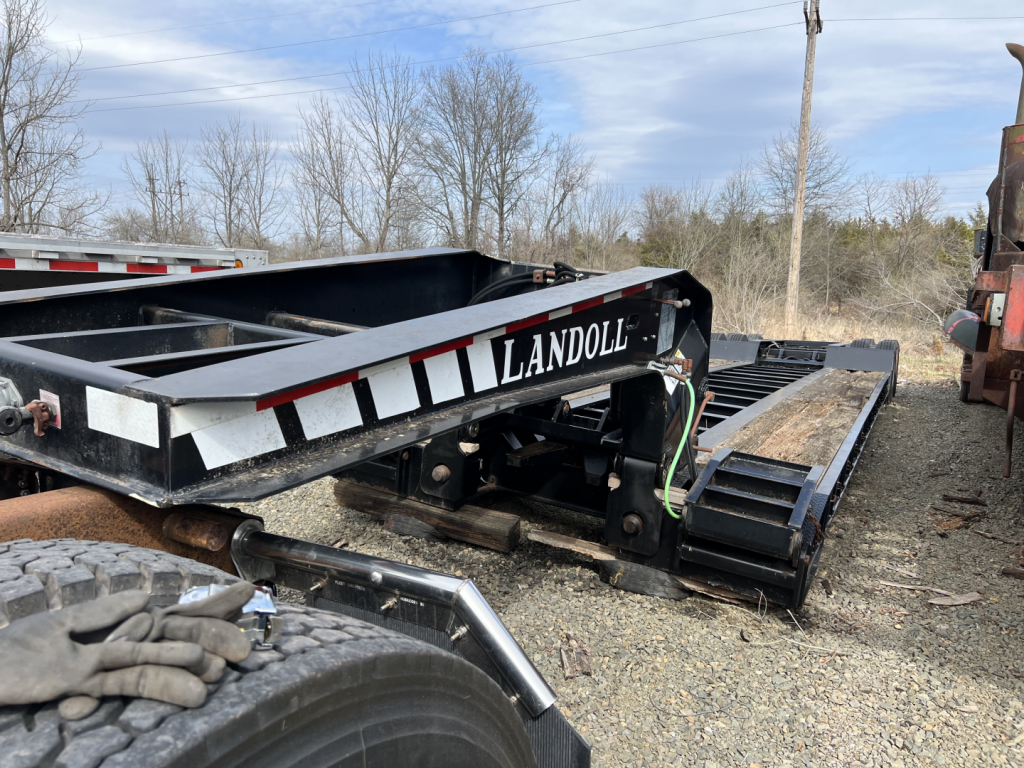
The right choice depends on cargo height, weight, and loading method. A flatbed is the most versatile for standard open-deck freight and easy side loading. A step deck lowers the main deck height, which helps with taller freight that would exceed legal height on a flatbed. A lowboy is built for heavy equipment and very tall, heavy loads that need the lowest possible deck height and higher concentrated load capacity.
Is air ride suspension worth it on a trailer?
Air ride suspension can be a strong advantage when hauling freight or equipment that benefits from better ride quality and reduced shock transfer. It is common on many van, reefer, and higher-spec equipment trailers. It can also help with load protection and ride control, but buyers should still inspect air bags, valves, bushings, and height control components because suspension repairs can add up if maintenance has been deferred.
How important is trailer floor and deck condition?
Floor and deck condition is critical because it affects safety, load securement, and repair cost. On flatbeds, lowboys, and equipment trailers, look for rot, broken boards, weak spots, damaged steel understructure, and worn fastening points. On dry vans and reefers, inspect for soft spots, water damage, delamination, and excessive wear from forklifts. Replacing flooring can be expensive and may reveal deeper structural issues underneath.
What paperwork matters when buying a used trailer in New Jersey?
Title status, VIN accuracy, and registration requirements are the first items to confirm. Buyers should verify that the VIN plate is legible and matches the paperwork, and check whether the trailer will need any inspection, brake, lighting, or tire work before entering service. It is also smart to confirm axle ratings and dimensions against the intended use so the trailer can be registered and operated without compliance problems.