
Wabash Flatbed Trailers For Sale in Pennsylvania
Shop Wabash flatbed trailers in Pennsylvania. Compare steel and combo specs, axle slide setups, deck materials, and load securement features.
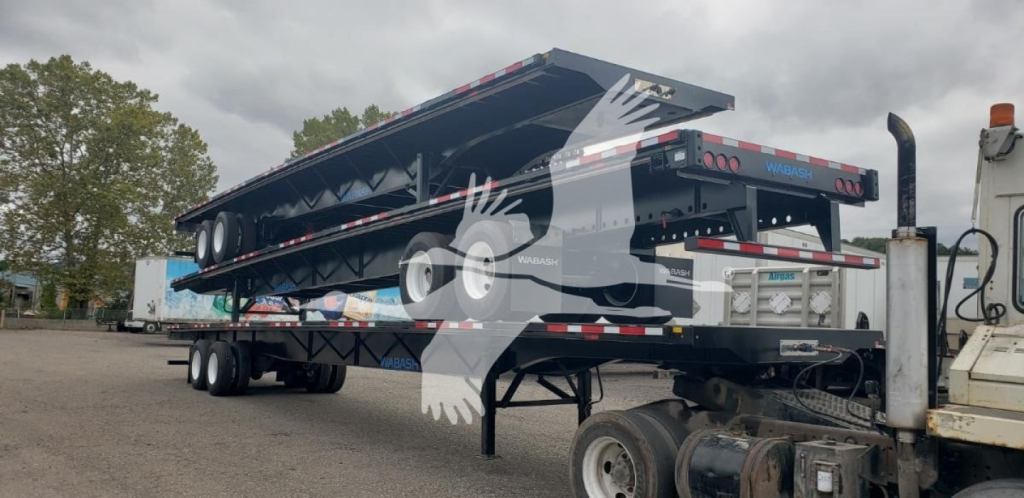
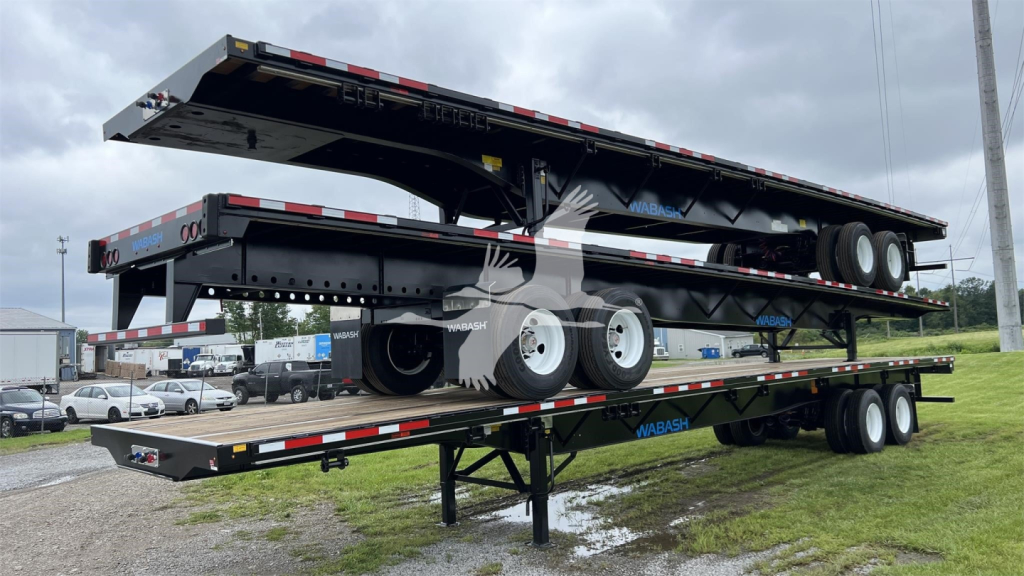
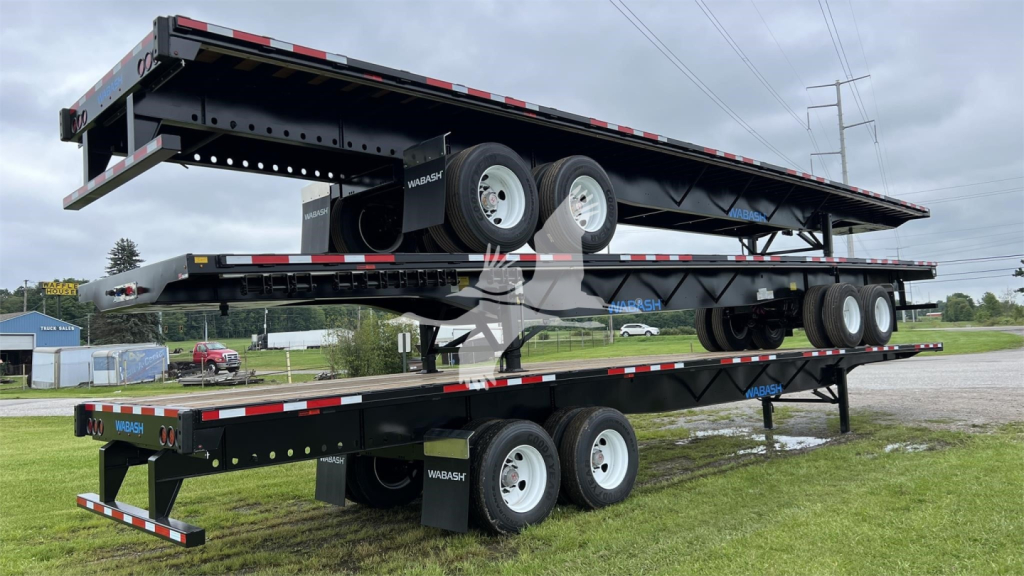
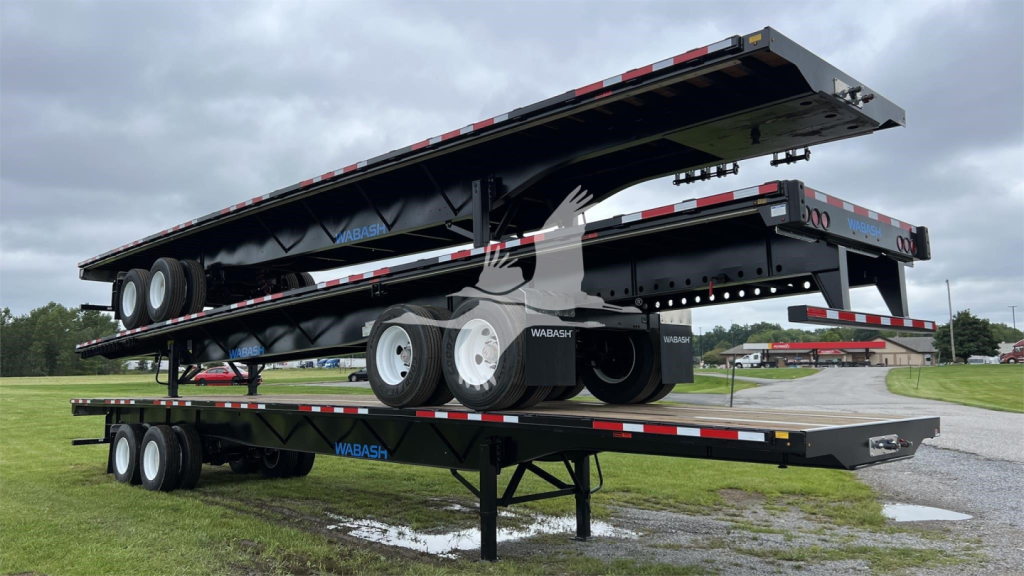
Selling a wabash flatbed trailer? List your wabash flatbed trailer for sale and reach thousands of commercial buyers.
Wabash Flatbed Trailers in Pennsylvania
The spec details matter more than the badge on a flatbed. Common Wabash configurations include 102-inch wide decks, air ride suspensions, 48-foot and 53-foot lengths, 30-inch kingpin settings, and 12-inch crossmember spacing. Many are built with Apitong decking or aluminum flooring with Apitong nailers, plus integrated or side-mounted winch tracks, sliding winches, double pipe spools, and Jost two-speed landing gear. Suspension setups such as Hendrickson Intraax with a 49-inch spread slider or a rear axle slide are especially important if the trailer will run mixed state bridge laws or needs added flexibility for load placement. A 55,000-pound beam rating in 4 feet is a common benchmark on heavier-duty flatbed specs and gives buyers a useful point of comparison for concentrated loads.
For day-to-day operation, deck material and axle configuration usually drive the decision. Steel air slider flatbeds are often favored for harder-use fleets that see forklifts, coil racks, bundled steel, or frequent dock and yard contact. Combo Wabash flatbeds can make more sense for longer-haul freight where lower trailer weight helps payload and fuel efficiency. Buyers should also look closely at securement details such as roadside or both-side winch tracks, tie bars, spool placement, side rail design, and the number of sliding winches included. Lighting layout, mud flap bracket placement, wheel material, tire size, and air tank construction may sound minor, but they affect maintenance cost and everyday usability.
A good Wabash flatbed match comes down to freight profile, legal length needs, and how often the axle position must change. A 48-foot air slider can be a practical regional trailer, while a 53-foot spread or sliding rear axle spec gives more deck space and bridge-law flexibility for multi-state operation. In Pennsylvania, buyers moving dense freight should pay attention to tare weight, deck condition, suspension wear, side rail integrity, and crossmember condition, especially on used steel units. If the work includes oversized pallets, machinery, lumber, or jobsite deliveries, the right flatbed is the one with the beam rating, deck setup, and axle arrangement that support the freight without adding unnecessary weight or complexity.
Frequently Asked Questions about Wabash Flatbed Trailers in Pennsylvania
What is the difference between a Wabash steel flatbed and a Wabash combo flatbed?
A Wabash steel flatbed uses more steel in the frame and structure, which generally increases tare weight but can provide added durability in rough loading environments. A Wabash combo flatbed typically uses aluminum components with steel in key structural areas, reducing empty weight and improving payload potential. For buyers hauling dense freight every day, the tare weight difference can be significant. For buyers working in harsher yard conditions or heavy forklift traffic, a steel trailer may be the better long-term fit.
What flatbed trailer length is most common, 48 feet or 53 feet?
Both lengths are common, but they serve slightly different needs. A 48-foot flatbed remains popular for regional and heavier freight applications where maneuverability and traditional length requirements matter. A 53-foot flatbed offers more deck space for lighter or longer freight and is often preferred in broader over-the-road service. The right choice depends on commodity type, customer freight patterns, and the states where the trailer will operate.
Why does axle slide configuration matter on a Wabash flatbed trailer?
Axle slide configuration affects bridge-law compliance, load distribution, and operating flexibility. A spread axle slider or sliding rear axle can help position weight more effectively for different commodities and state regulations. Buyers hauling mixed freight or running across multiple states often prefer an adjustable setup because it gives dispatch more options when the load changes. A fixed arrangement can be simpler, but it offers less flexibility when axle weights become an issue.
What should I inspect first on a used Wabash flatbed trailer?
Start with the deck, side rails, crossmembers, suspension, and slider assembly if equipped. On a flatbed, these areas tell you a lot about how the trailer was loaded and maintained. Look for cracked welds, bent rails, damaged winch tracks, rotten or loose decking, suspension wear, and signs of axle alignment issues. Tire condition, wheel type, landing gear operation, and lighting should also be checked, but the structure and deck are usually the most important indicators of remaining service life.
What securement features are most useful on a flatbed trailer?
The most useful securement features depend on the freight, but buyers commonly look for integrated winch tracks, enough sliding winches, double pipe spools, tie bars, and a durable side rail design. These features make it easier to handle chains, straps, and different load shapes without adding aftermarket hardware. For general freight, a trailer with both-side securement options is often more versatile than one limited to a single track arrangement. Securement layout affects loading speed, driver convenience, and how many freight types the trailer can handle.