
New Wabash Flatbed Trailers For Sale
Have new wabash flatbed trailer to sell? List it here to reach thousands of buyers.
New Wabash Flatbed Trailers
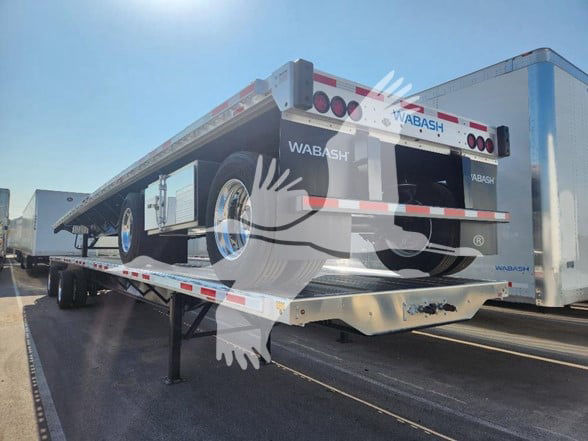
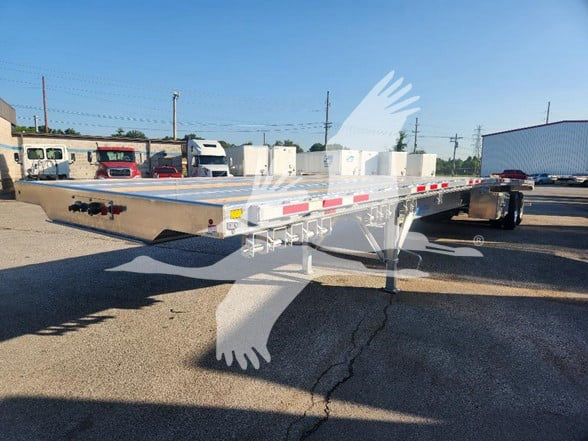
Deck construction and tie-down layout matter as much as the frame. Many Wabash flatbeds in this class use aluminum flooring or Apitong wood, sometimes with nailing strips or Lock-Rite style flooring and multiple tie-down points for more flexible cargo securement. Integrated winch tracks on roadside only or on both roadside and curbside are common, along with 12 sliding winches, tie bars, and double pipe spools. Buyers hauling mixed freight should pay close attention to crossmember spacing, usually around 12 inches on center, because tighter spacing supports forklift traffic and improves deck durability over time. Beam ratings such as a 55,000-pound in 4-foot rating are also worth checking if concentrated loads are part of the freight mix.
Running gear is another key differentiator. New Wabash flatbeds often use tandem air ride suspensions such as Hendrickson Intraax setups, with spread axle or slider arrangements depending on the intended lanes and state bridge requirements. A rear axle slide can make a 53-foot trailer more versatile for weight distribution and state compliance, and some specs are set up to be California legal with the rear axle forward. Features like rear axle dump valves, PSI tire inflation systems, aluminum outer wheels, and Jost two-speed landing gear are common on freight-focused builds because they improve daily usability and reduce downtime. Tire size and wheel package also affect operating cost, especially for fleets standardizing on 295/75R22.5 or 11R22.5 rubber.
For a buyer comparing listings, the real question is how the trailer will be loaded and where it will run. A 48-foot steel air-slider flatbed can be a solid fit for regional freight and tougher loading conditions, while a 53-foot combo spread axle trailer gives more deck and a lighter structure for long-haul open-deck work. Look closely at kingpin setting, suspension setting, side rail design, lighting package, and securement hardware rather than just overall length and price. Those details determine how well a flatbed matches your freight, your permitting needs, and your day-to-day loading routine.
Frequently Asked Questions about New Wabash Flatbed Trailers
What is the difference between a Wabash steel flatbed and a Wabash combo flatbed?
A steel flatbed uses more steel in the frame and deck structure, which usually lowers purchase cost and can be attractive for operations that expect rough service or frequent repairs. A combo flatbed typically combines aluminum and steel components to reduce tare weight while keeping strength in key structural areas. The lighter combo design can improve legal payload and fuel efficiency, which matters for carriers hauling dense freight over long distances.
Why does a sliding rear axle matter on a flatbed trailer?
A sliding rear axle helps adjust weight distribution across the tractor and trailer axles, which can be critical for bridge law compliance and for balancing concentrated loads. On a 53-foot flatbed, an axle slide also adds flexibility for different states and customer loading practices. Buyers running multistate lanes often look for this feature because it can reduce rework at the shipper and improve legal load positioning.
What deck and securement features should I look for on a new flatbed trailer?
The most important items are flooring type, nailing strips, crossmember spacing, winch track placement, number of sliding winches, tie bars, and spool locations. Aluminum floors reduce weight, while Apitong wood and nailing strips can be useful for certain cargo and securement methods. A well-equipped trailer with integrated winch tracks on both sides, multiple sliding winches, and additional tie-down points will usually handle a wider range of freight with less need for add-ons.
Is air ride suspension standard on most new Wabash flatbeds?
Air ride suspension is common on new Wabash flatbeds because it improves ride quality, helps protect cargo, and supports better trailer handling under varying load conditions. Hendrickson air ride systems are frequently specified in this category. Buyers should still confirm whether the trailer is a fixed spread, sliding spread, or tandem slider because suspension layout affects maneuverability, tire wear, and legal axle placement.
What trailer length is better for flatbed work, 48 feet or 53 feet?
A 48-foot flatbed remains a practical choice for regional operations, tighter delivery sites, and freight that does not require extra deck length. A 53-foot flatbed offers more loading space and is often preferred for longer, lighter, or more varied open-deck freight. The better choice depends on the freight profile, state regulations, customer docks and yards, and whether you need the added flexibility of a longer deck with a sliding rear axle.