
Used Flatbed Trailers For Sale in New York
Browse used flatbed trailers in New York. Compare lengths, axle setups, deck materials, suspension, and securement features for hauling freight.
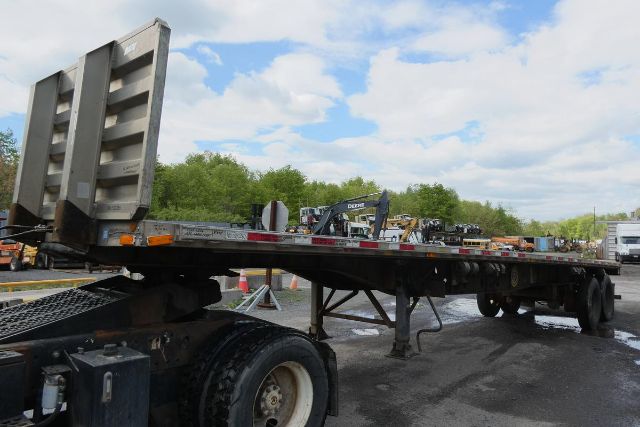
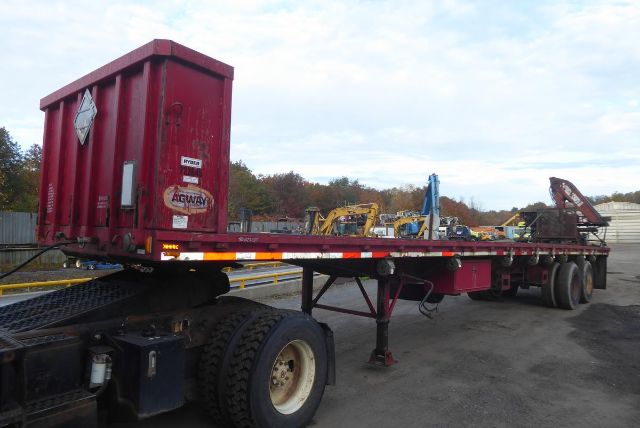
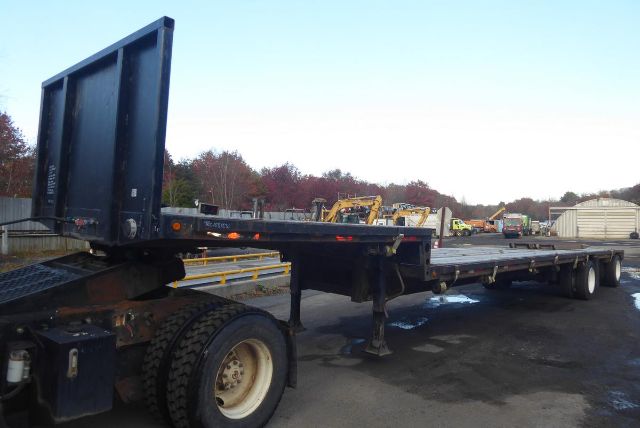
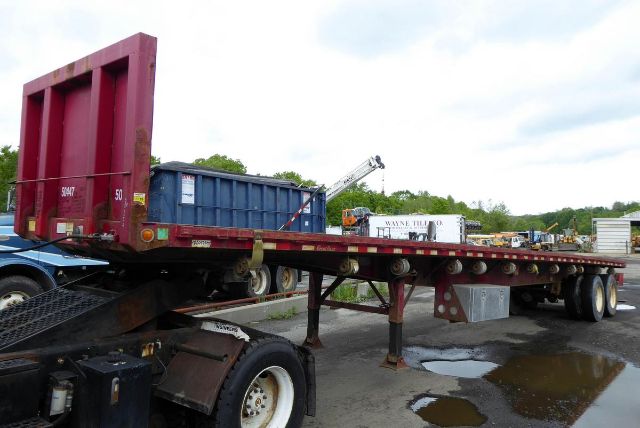
Selling a used flatbed trailer? List your used flatbed trailer for sale and reach thousands of commercial buyers.
Used Flatbed Trailers in New York
On a used flatbed, the most important inspection points are the frame, crossmembers, floor condition, landing gear, and the running gear. Wood floors often show hard use from forklifts, coils, and concentrated freight, so look for broken boards, rot, or patchwork repairs. Main rails and crossmembers should be checked closely for rust scale, weld repairs, cracks, and corrosion around suspension hangers and slider areas. Slideable tandems can add flexibility for bridge laws and load distribution, while fixed closed tandems or spread tandems may better match a dedicated hauling application. Suspension type matters too. Spring ride is simple and durable, while air ride can improve load protection but needs bags, valves, and plumbing in sound condition.
Securement setup often separates one used flatbed from another. Many trailers come with headache racks, d-rings, winches, straps, ratchets, or forklift kits such as Moffett mounting provisions. Those details matter if the trailer will stay in building supply, steel, or delivery service, because adding them later raises the total acquisition cost. Tire size, wheel type, brake condition, and hub style should also be reviewed carefully, especially on older trailers that may have mixed components or deferred maintenance. Deck height is another key number. A standard flatbed often rides around the mid-50-inch range, which is fine for general freight, but buyers handling taller loads may compare it against step decks if overall height is tight.
For New York operations, buyers should think about urban delivery access, bridge compliance, and corrosion exposure from winter road treatment. Older used flatbeds can still be productive assets if the structure is sound and the trailer has a clear fit for the intended freight. Pay attention to GVWR, load concentration ratings, axle spread, and the condition of the brake and suspension systems before focusing on cosmetic appearance. A well-matched used flatbed trailer can cover a wide range of open-deck work with fewer loading restrictions than many specialized trailer types, which is why this category stays in demand across regional and local hauling.
Frequently Asked Questions about Used Flatbed Trailers in New York
What should I inspect first on a used flatbed trailer?
Start with the structural components. Inspect the main frame rails, crossmembers, suspension mounts, slider assembly if equipped, and the deck itself. Corrosion, rust-through, cracked welds, bent components, and poor repairs are more important than paint or surface appearance. On older flatbeds, floor wear and frame condition often determine the trailer's remaining service life.
What is the difference between a steel flatbed and an aluminum or combo flatbed?
A steel flatbed is generally heavier, rugged, and common in hard-use applications such as steel hauling, jobsite material delivery, and rough loading environments. An aluminum or aluminum-steel combo flatbed usually weighs less, which can improve legal payload. The tradeoff is that repair approach, long-term corrosion behavior, and purchase price can differ. Buyers should choose based on freight type, route conditions, and target payload rather than material alone.
Are slideable tandems better than fixed tandems on a flatbed trailer?
Slideable tandems offer more flexibility for axle weight distribution and bridge law compliance, which can be valuable across varied freight and multi-state routes. Fixed tandems are simpler and can make sense in dedicated service where load patterns stay consistent. The better choice depends on how often the trailer will haul different freight lengths, weights, and loading positions.
What deck length is most common for a used flatbed trailer?
45-foot and 48-foot flatbeds are common in the used market, with some shorter 42-foot units also available. The right length depends on the freight. A longer deck supports more versatile load configurations and can improve load planning, but it may also affect maneuverability in tight urban areas. Buyers running in New York or dense metro zones often weigh usable deck space against turning radius and delivery access.
How important is suspension type on a used flatbed?
Suspension type directly affects ride quality, maintenance cost, and cargo protection. Spring ride suspensions are straightforward and durable, which makes them popular on older work trailers. Air ride suspensions can provide better ride quality for sensitive cargo, but buyers should verify that the bags, valves, shocks, and air system are working correctly. A low-priced used flatbed with suspension issues can become expensive quickly.