
Used 2012 Flatbed Trailers For Sale
Shop used 2012 flatbed trailers with specs buyers want, including length, deck type, axle setup, suspension, weight, and cargo securement.
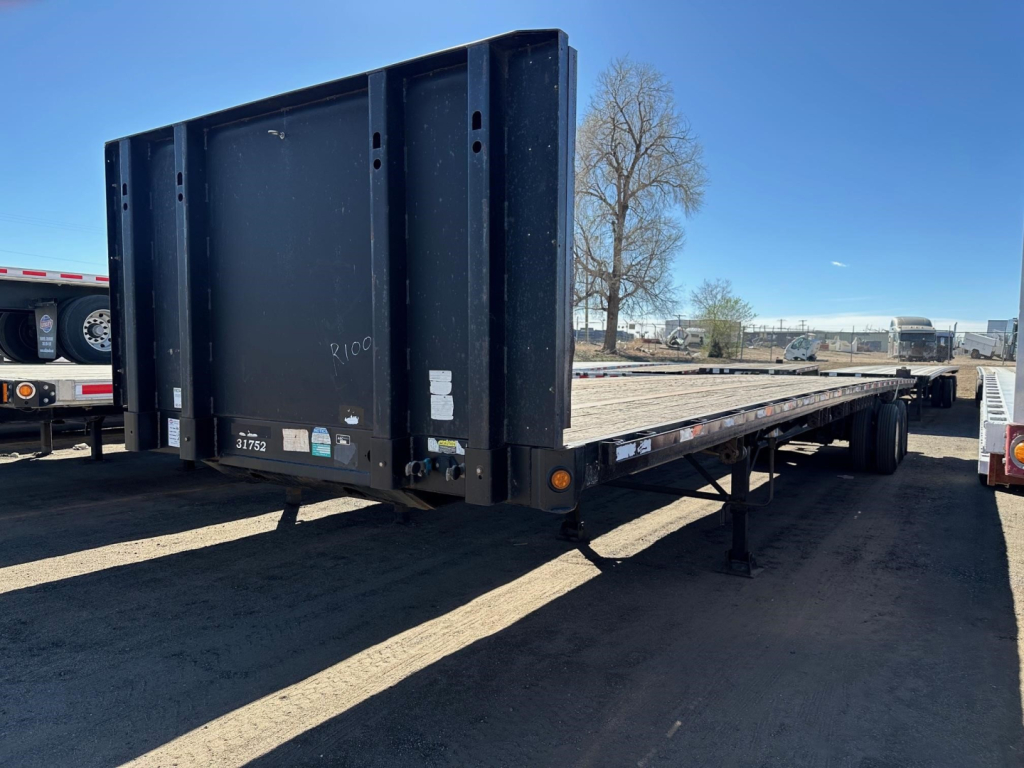
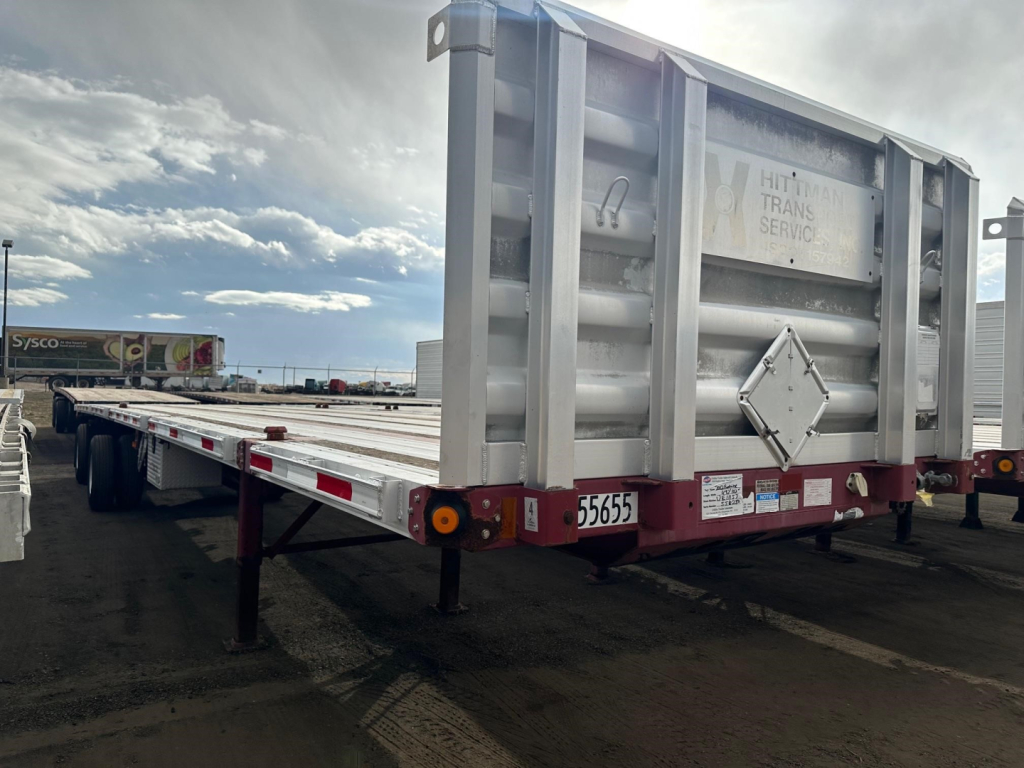
Selling a used 2012 flatbed trailer? List your used 2012 flatbed trailer for sale and reach thousands of commercial buyers.
Used 2012 Flatbed Trailers
The main buying decision is usually payload versus durability. An aluminum 2012 flatbed can make sense for shippers hauling building materials, palletized freight, machinery, or general commodities where every pound matters. A steel or combo trailer may be better suited to harsher loading conditions, frequent forklift traffic, or operations where deck repairs and rail wear are expected. Check deck material closely, especially if the trailer has an Apitong floor or aluminum deck sections. Crossmember condition, main beam straightness, side rail wear, and evidence of concentrated coil loading tell you more than paint ever will.
Axle configuration and suspension also matter on a used 2012 flatbed trailer. Many are set up as tandem axle units with a sliding tandem, while spread axle trailers are common for stability and bridge law flexibility in certain lanes. Air-ride suspension is typically preferred for more sensitive freight and better ride quality, but spring-ride trailers remain common in cost-conscious fleets. Buyers should confirm kingpin setting, axle slide travel, tire size, wheel type, brake condition, and whether the trailer has ABS and current inspection documentation. Securement equipment matters too. Winch track placement, number of sliding winches, chain ties, and condition of the rub rail directly affect how quickly and safely the trailer can be loaded.
A 2012 model year flatbed can be a strong value if maintenance has been consistent and the trailer has not been overloaded or repeatedly twisted on uneven job sites. Look for prior frame repairs, cracked welds around suspension hangers, loose flooring, and corrosion at steel-to-aluminum transition points on combo trailers. Tire wear patterns can reveal alignment issues, and uneven deck wear can indicate concentrated-use freight like steel, lumber, or equipment. For buyers comparing listings, the best 2012 flatbed trailer is usually the one with the cleanest structural history, the right tare weight for the lane, and a securement setup that fits the freight without immediate rework.
Frequently Asked Questions about Used 2012 Flatbed Trailers
What should I inspect first on a used 2012 flatbed trailer?
Start with the frame, main beams, crossmembers, suspension mounting points, and deck condition. Structural integrity matters more than cosmetic appearance on a flatbed. Look for cracked welds, bent rails, floor damage, corrosion, and signs of past overloads or impact. Then inspect brakes, tires, wheel ends, lights, ABS function, and all cargo securement points such as stake pockets, rub rails, and winch tracks.
Are 2012 aluminum flatbed trailers better than steel or combo trailers?
Not necessarily. Aluminum flatbeds usually provide lower empty weight and more payload capacity, which helps in weight-sensitive freight. Steel trailers can be more tolerant of hard use and rough loading environments. Combo flatbeds balance weight savings with durability by using steel in high-stress areas and aluminum elsewhere. The better choice depends on freight type, route conditions, repair priorities, and how much tare weight affects revenue.
What lengths are most common for used 2012 flatbed trailers?
The most common lengths are 48 feet and 53 feet, typically at 102 inches wide. A 48-foot flatbed is common in many general freight applications and regional operations, while a 53-foot flatbed offers additional deck space for longer loads and certain dedicated accounts. Buyers should also verify axle spread, kingpin setting, and tandem slide configuration because these details affect bridge compliance and maneuverability.
Is air-ride suspension worth it on a used 2012 flatbed trailer?
For many operations, yes. Air-ride generally provides better ride quality and can reduce cargo shock on sensitive or higher-value loads. It is common on flatbeds hauling machinery, finished materials, or freight that benefits from smoother transport. Spring-ride trailers can still be a solid option when lower purchase cost and simpler maintenance are priorities, but they may not match air-ride performance on every lane.
How do I know if a 2012 flatbed trailer has the right securement setup?
Match the trailer hardware to the freight you plan to haul. Check for the number and condition of sliding winches, winch track placement, stake pockets, pipe spools, chain ties, and coil package equipment if steel hauling is part of the operation. A trailer with the wrong securement layout can require immediate modifications, and that adds cost before the trailer ever goes to work.