
Used 2013 Reitnouer Flatbed Trailers For Sale
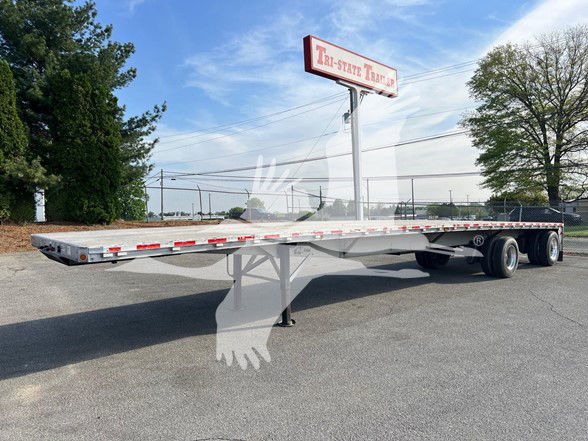
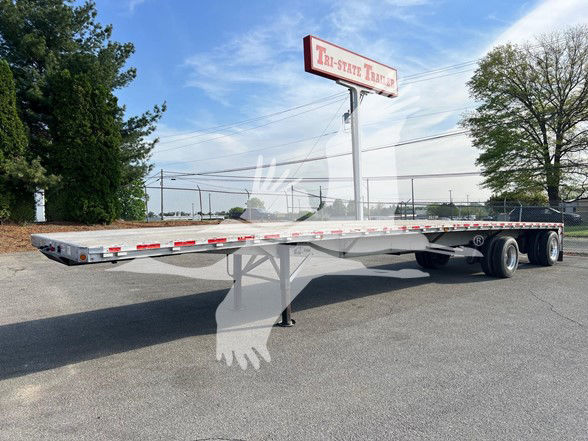
Shop used 2013 Reitnouer flatbed trailers for sale. Compare aluminum deck specs, air-ride setups, spread axles, weight and load securement features.
Learn more
Have used 2013 reitnouer flatbed trailer to sell? List it here to reach thousands of buyers.
About Used 2013 Reitnouer Flatbed Trailers
The first place to focus is load profile and securement setup. Reitnouer flatbeds are commonly spec'd with full or partial winch tracks, sliding winches, double pipe spools, nailing strips, coil packages, and crossmember spacing that supports mixed freight. If the trailer will haul steel, machinery, building materials, or palletized freight, check for extra crossmembers, deck straightness, side rail condition, and any signs of concentrated load damage. Kingpin setting, suspension spread, and weight rating in 4 feet and 10 feet are important numbers because they affect axle loading and how easily the trailer can be scaled with dense freight.
A 2013 used flatbed should also be evaluated around suspension and braking components. Many Reitnouer trailers in the market use air-ride suspensions such as Hendrickson Intraax, and buyers should verify bushing wear, ride height, axle alignment, and brake type. Disc brakes, if equipped, can be a strong selling point for stopping performance and maintenance intervals, but drum brake condition still needs a close look on older trailers. Tire inflation systems, aluminum wheels, Jost two-speed landing gear, and reduced-arch configurations may also appear on some specs and can add practical value depending on route profile and loading habits.
Reitnouer flatbeds are also known as aluminum flatbed trailers, and they remain a common choice for shippers that need a general freight platform with strong payload efficiency. A used 2013 model can still be a productive trailer if the deck has been maintained, the understructure is sound, and the securement layout matches the freight you run every week. For most buyers, the right decision comes down to balancing empty weight, axle configuration, deck condition, and the exact securement hardware already on the trailer.
Frequently Asked Questions
What should I check first on a used 2013 Reitnouer flatbed trailer?
Start with the structural condition of the aluminum frame, deck, crossmembers, and side rails. Look closely for repairs, cracked welds, concentrated load damage, and signs the trailer routinely hauled coils or steel without the right support package. After that, inspect suspension components, axle alignment, brake condition, landing gear operation, and tire wear patterns. On an older aluminum flatbed, structural integrity and deck usability usually matter more than cosmetic appearance.
Are 2013 Reitnouer flatbed trailers good for heavy freight?
They can be, but the answer depends on the exact trailer spec. Reitnouer trailers are valued for low tare weight, which helps maximize payload, but buyers still need to confirm the trailer's load rating in 4 feet and 10 feet, axle configuration, crossmember spacing, and whether it has a coil package or extra crossmembers. A properly spec'd Reitnouer flatbed can handle dense freight very well, but not every flatbed is configured the same for concentrated loads.
What axle setup is common on a used Reitnouer flatbed?
Tandem axle and spread axle configurations are both common, usually with air-ride suspension. A spread axle setup can improve weight distribution and help with certain freight and bridge laws, but it may also affect maneuverability and tire scrub in tight turns. Tandem axles are often simpler for operations that prioritize tighter turning and more flexible routing. The right setup depends on freight type, state regulations, and how often the trailer runs in urban versus open-road applications.
Why do buyers look for aluminum Reitnouer flatbeds instead of steel flatbeds?
The main advantage is lighter empty weight, which can translate into more legal payload. Aluminum construction also resists corrosion well, which is valuable in regions with winter road treatment or high moisture exposure. The tradeoff is that buyers need to inspect aluminum trailers carefully for fatigue, prior repairs, and damage from improper loading or securement. A well-maintained aluminum flatbed can stay productive for a long time, but condition matters more than material alone.
What securement features are important on a used flatbed trailer?
The most useful features depend on the freight mix, but common priorities include winch tracks, enough sliding winches, pipe spools, nailing strips, chain tie-down points, and a coil package if dense steel freight is part of the job. Buyers should also verify the deck surface condition and make sure the securement layout supports how they actually load. A trailer with the right hardware already installed can reduce setup costs and get into service faster.