
Flatbed Trailers For Sale in New York
Shop flatbed trailers for sale in New York. Compare lengths, axle setups, deck materials, weight, and securement features for freight hauling.
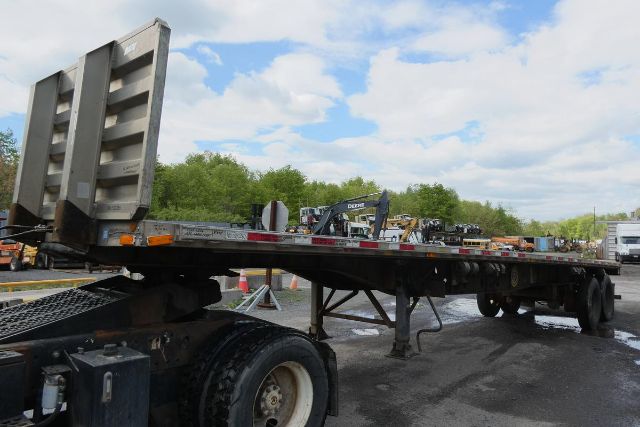
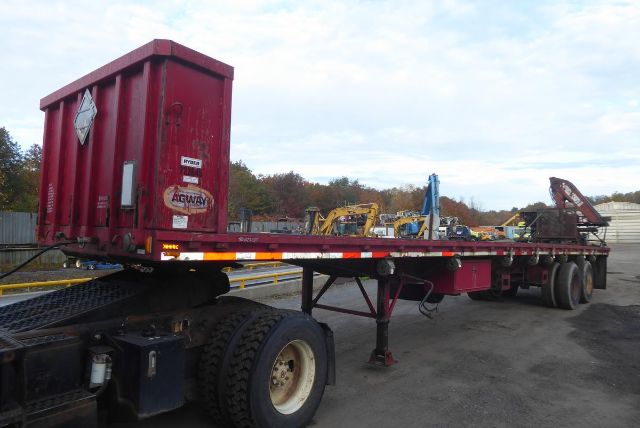
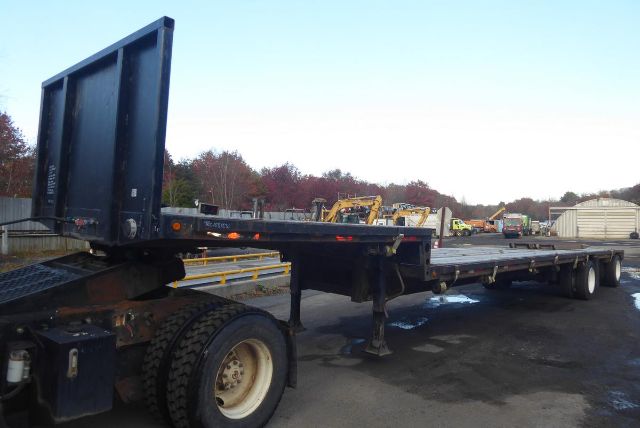
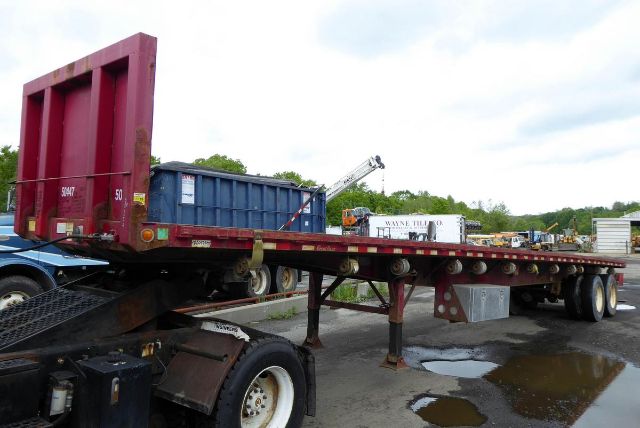
Selling a flatbed trailer? List your flatbed trailer for sale and reach thousands of commercial buyers.
Flatbed Trailers in New York
The first decisions usually come down to deck length, trailer construction, and axle configuration. Common lengths in this category are 42, 45, and 48 feet, with 96-inch and 102-inch widths both seen on the market. Steel flatbeds tend to be durable and straightforward to repair, but they carry more empty weight. Combo and aluminum-steel trailers reduce tare weight and can improve payload, especially on dense freight. Sliding tandems give more flexibility for load distribution and bridge compliance, while fixed tandems and spread axles can be simpler or better suited to certain operating patterns. Suspension also matters. Spring ride is common and rugged, while air ride is preferred by many fleets handling higher-value or more damage-sensitive freight.
Deck details matter as much as headline specs. Buyers should check floor composition, crossmember condition, deck height, and concentrated load rating, not just GVWR. Wood floors with steel supports remain common because they are practical for general freight and easy to maintain. Aluminum floors with nailers can cut weight but should be inspected closely for wear, repairs, and securement condition. A useful flatbed often includes chain spools, winches, sliding winches, D-rings, rub rails, stake pockets, and a headache rack. Some trailers are also set up for Moffett forklift brackets or include ramps for equipment loading, which can add versatility for building supply, machinery, or jobsite freight.
On used flatbed trailers, condition separates a value buy from a future shop bill. Pay attention to frame corrosion, floor rot, cracked welds, bent crossmembers, brake condition, suspension wear, tire size match, and axle alignment. Confirm whether tandems still slide properly if the trailer is advertised as a sliding axle unit, and verify air ride systems, ABS, lights, and brake chambers are functional. Flatbed trailers are simple by design, but they earn their keep through securement layout, structural integrity, and legal payload capability. A buyer comparing listings should focus on how the trailer's tare weight, deck setup, axle arrangement, and overall condition fit the freight it will haul every week.
Frequently Asked Questions about Flatbed Trailers in New York
What length flatbed trailer is most common?
Forty-eight foot flatbeds are widely used for general freight, but 45-foot and 42-foot trailers are also common, especially in older fleets and regional operations. The right length depends on the freight profile, customer docks, route restrictions, and payload goals. Longer decks give more loading flexibility, but trailer weight, axle placement, and bridge law requirements can affect how much freight can be carried legally.
Is a steel flatbed or an aluminum combo flatbed better?
A steel flatbed is typically heavier but durable and easier to repair after hard use. An aluminum combo flatbed, usually built with steel main components and aluminum sections, reduces tare weight and can improve legal payload. Buyers hauling dense commodities often value lower empty weight, while buyers in severe-duty applications may prioritize the repairability and ruggedness of a full steel trailer. The best choice depends on freight type, maintenance practices, and total cost of ownership.
Do I need sliding tandems on a flatbed trailer?
Sliding tandems are useful when load position changes from job to job and bridge compliance matters. They give the operator more flexibility to shift axle weight and adapt to state regulations, which can be important in New York and on multi-state lanes. Fixed tandems can work well for consistent freight and may involve fewer moving parts, but they offer less adjustment when load distribution is difficult.
What should I inspect first on a used flatbed trailer?
Start with the main frame, crossmembers, flooring, suspension, brakes, tires, and axle alignment. Look for rust-through, cracked welds, sagging sections, damaged rub rails, worn securement points, and uneven tire wear. Also verify deck height, trailer empty weight, and any listed accessories such as winches, straps, ramps, or forklift mounting provisions. Structural condition and legal roadworthiness matter more than cosmetic appearance.
What securement features are important on a flatbed trailer?
Stake pockets, rub rails, sliding winches, chain ties, D-rings, and a solid headache rack are key features on many flatbeds. The right setup depends on whether the trailer will haul coils, lumber, machinery, steel, or palletized freight. Buyers should make sure the securement layout matches the cargo they move most often, because adding missing hardware later can increase cost and downtime.