
Manac Flatbed Trailers For Sale in Illinois
No exact matches found for your search
Showing Flatbed Trailers in Illinois instead.

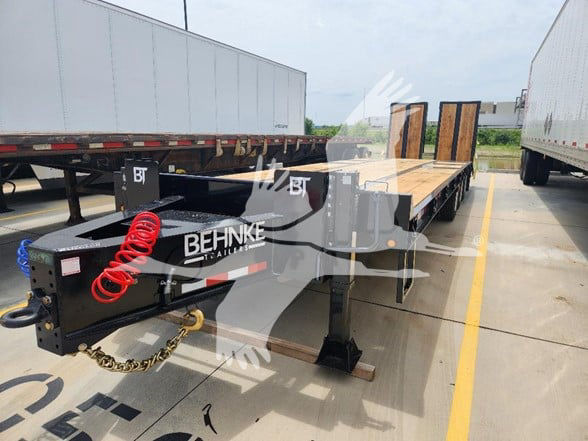
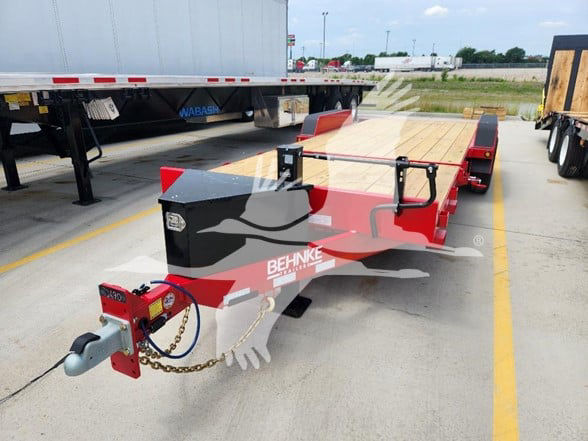

Have manac flatbed trailer to sell? List it here to reach thousands of buyers.
Manac Flatbed Trailers in Illinois
The biggest decision on a Manac flatbed is usually steel versus combo construction. A steel flatbed generally offers durability and lower repair complexity in severe service, especially when the trailer sees concentrated forklift traffic, rough yards, or heavy point loads. A combo flatbed typically uses an aluminum deck and aluminum components with a steel main frame to cut weight and improve payload potential. For shippers moving legal-weight building products, pipe, machinery, or crated freight, that tare difference can matter. Common flatbed lengths are 48 and 53 feet, with 102-inch width standard across most highway trailers. Extendable Manac flatbeds add flexibility for steel beams, poles, or oversized materials, but buyers should inspect the slide sections, locking pins, wiring, and air line routing closely because extension mechanisms see more wear than a fixed deck.
Suspension and axle configuration matter just as much as deck construction. Air ride is common on later flatbeds and is usually preferred for better ride quality and freight protection, while spring ride can still make sense for buyers focused on simplicity and lower upfront cost. Closed tandem sliding suspensions are common because they help with bridge law compliance and axle weight distribution across varying loads. Some Manac flatbeds are set up as spread axle or tridem configurations for specialized applications and heavier legal payload planning. Brake spec is another key checkpoint. Drum brakes remain common and serviceable, but disc brakes can improve stopping performance and reduce fade in repeated highway use. On any used flatbed, buyers should check crossmembers, main rails, rear impact guard, upper coupler plate, kingpin condition, landing gear operation, tire wear patterns, wheel-end maintenance history, and deck condition, including rot, broken boards, fastener integrity, and signs of concentrated load damage.
Flatbed buyers should also pay attention to securement details and operational efficiency. Stake pockets, rub rails, winch tracks, sliding winches, chain spools, and coil package capability all affect the trailer's usefulness across different freight profiles. A rolling tarp system can be a major advantage for weather-sensitive loads because it speeds tarping, reduces labor, and improves safety compared with climbing over freight to throw heavy tarps. In Illinois and throughout the Midwest, where loads can range from fabricated steel to bagged materials and machinery, a Manac flatbed with the right deck type, axle setup, and securement package can cover a broad range of lanes. The best buy is usually the trailer with the clearest match between payload needs, loading method, maintenance condition, and the type of freight hauled most often.
Frequently Asked Questions about Manac Flatbed Trailers in Illinois
What is the difference between a Manac steel flatbed and a Manac combo flatbed?
A Manac steel flatbed is typically heavier but very durable in severe-duty service, especially where forklifts, concentrated point loads, and rough yard conditions are common. A Manac combo flatbed usually combines a steel frame with aluminum components to lower tare weight and increase payload potential. Buyers hauling dense freight every day often compare durability against weight savings, because the right choice depends on load type, lane profile, and repair priorities.
Are Manac extendable flatbed trailers a good choice for Midwest freight?
Manac extendable flatbeds are a strong fit for carriers that regularly move steel beams, long machinery, pipe, utility poles, or construction materials that exceed a standard 48-foot or 53-foot deck. They add flexibility, but they also require closer inspection and maintenance than a fixed-length flatbed. Buyers should pay particular attention to the extension rails, locking pin system, electrical connections, air lines, and signs of wear or misalignment in the sliding sections.
What should I inspect first on a used Manac flatbed trailer?
Start with the structure and running gear. Check the main frame rails, crossmembers, coupler area, kingpin, suspension hangers, axle alignment, brakes, wheel ends, and tire wear. Then inspect the deck for broken boards, soft spots, loose fasteners, and damage from concentrated loads. Securement components such as stake pockets, rub rails, winches, and winch tracks should also be examined closely because these parts directly affect how safely and efficiently the trailer can haul freight.
Is air ride better than spring ride on a flatbed trailer?
Air ride is often preferred because it provides a smoother ride, which can help protect freight and reduce shock through the trailer structure. It is especially common on newer highway flatbeds and on trailers hauling sensitive or higher-value cargo. Spring ride remains a workable option for buyers who want a simpler suspension with lower upfront cost, but it generally delivers a harsher ride and may be less desirable for certain freight types or shipper requirements.
What freight is commonly hauled on a Manac flatbed trailer in Illinois?
Common Illinois flatbed freight includes structural steel, fabricated metal, lumber, wallboard, machinery, palletized building materials, pipe, and general construction products. The state's mix of manufacturing, warehousing, agriculture, and highway access creates steady demand for versatile 48-foot and 53-foot flatbeds. A Manac flatbed with the right deck construction, securement equipment, and axle configuration can handle a broad range of regional and over-the-road applications.