
Manac Flatbed Trailers For Sale in Colorado
Shop Manac flatbed trailers with specs buyers want most, including steel construction, air ride options, spread or tandem axles, and 48' to 53' decks.
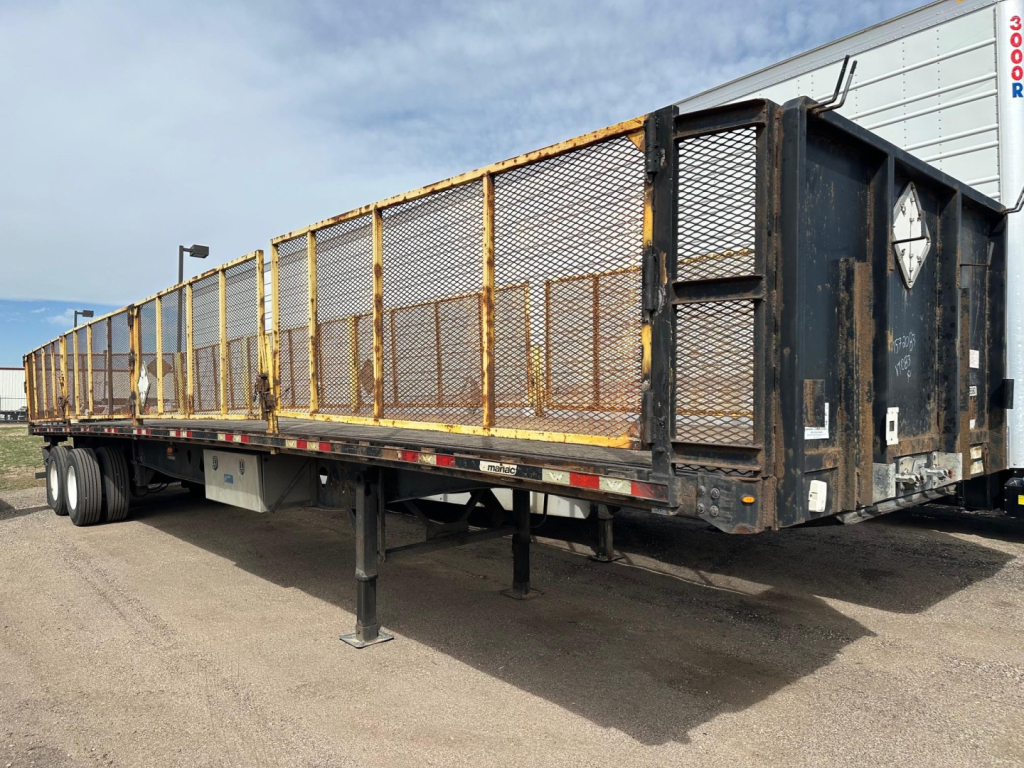
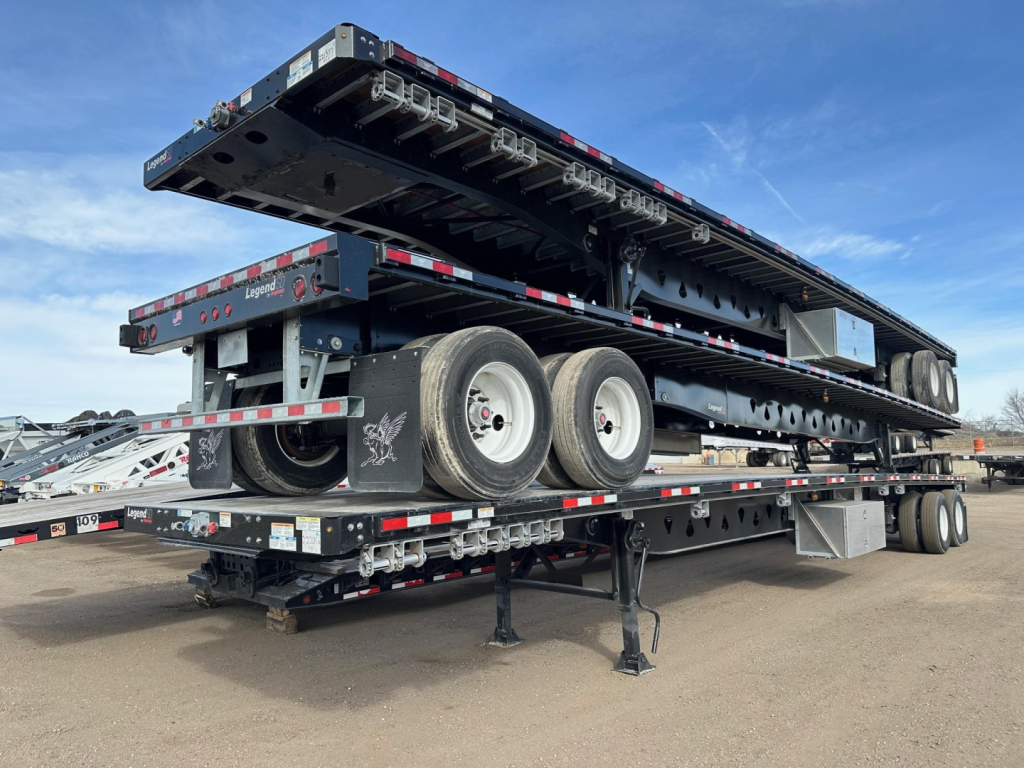
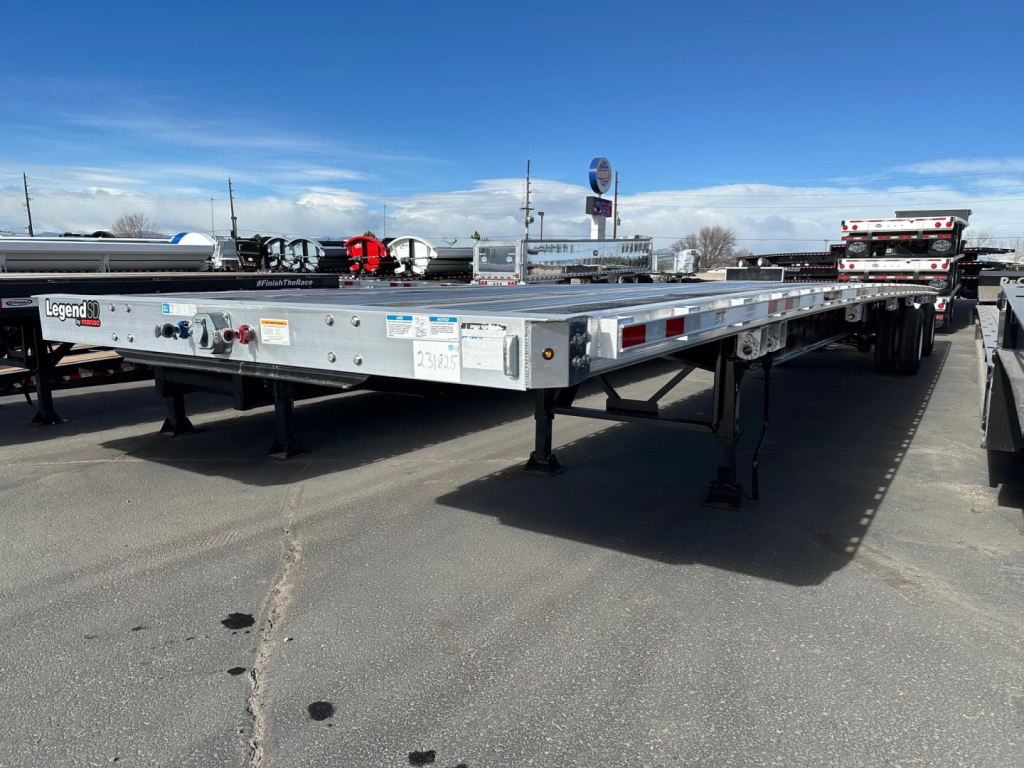
Selling a manac flatbed trailer? List your manac flatbed trailer for sale and reach thousands of commercial buyers.
Manac Flatbed Trailers in Colorado
The first buying decision is usually axle layout and suspension. Closed tandem models with sliders are common when bridge laws, load positioning, and dock flexibility matter. Spread axle Manac flatbeds can improve weight distribution and are often preferred for certain commodity mixes, but they can be less flexible in tight yards and some urban delivery environments. Air ride suspension is a strong fit for more sensitive freight and generally helps ride quality, while spring ride remains a simpler, lower-cost setup that some buyers still prefer for rugged service. Tire size, low-profile versus standard 11R22.5, and wheel type also affect operating cost, deck height, and replacement availability.
Deck and securement details matter as much as the frame. Buyers should pay close attention to deck condition, crossmember integrity, and wear around stake pockets, winch tracks, and rear framework. Manac steel flatbeds are often spec'd with wood decks, pipe spools, tool boxes, ICC bumpers, and occasionally forklift kits or headache rack-style cage setups depending on the intended freight. If your loads include steel coils, pipe, or bundled building products, look closely at spool placement, pocket spacing, and how many sliding winches the trailer carries. In mountain states, corrosion resistance and underbody condition deserve extra attention, especially on older trailers that have seen winter road treatment.
A Manac flatbed is best evaluated as a working tool, not just by model year. Check kingpin area condition, frame straightness, suspension wear points, brake and air system condition, slider operation, and evidence of deck replacement or structural repairs. Manac has a solid reputation in vocational and over-the-road trailer applications, and their steel flatbeds appeal to buyers who value durability, predictable maintenance, and a conventional spec that is easy to keep productive. For many operations, the right trailer comes down to matching deck length, axle spread, ride type, and securement equipment to the freight lane it will run most often.
Frequently Asked Questions about Manac Flatbed Trailers in Colorado
What are the most common specs on a Manac flatbed trailer?
Common Manac flatbed specs include 48-foot or 53-foot deck length, 102-inch width, steel main beams and rails, wood or Apitong flooring, stake pockets, sliding winches, and either closed tandem or spread axle configurations. Many are equipped with air ride suspension, although spring ride units are also found in the used market. Tire and wheel setups vary, but 22.5-inch low-profile tires and standard 11R22.5 tires are both common depending on ride height and fleet preference.
Is a spread axle or closed tandem Manac flatbed better?
It depends on the freight and the lanes. A spread axle flatbed can help distribute weight and may work well for longer or heavier commodities, but it can be less maneuverable in tight spaces and can create more tire scrub in certain operating conditions. A closed tandem with a slider gives more flexibility for axle weight adjustment and is often easier to work with in mixed-route freight. Buyers should match the axle layout to the loads they haul most often, not just what is most available.
Are Manac steel flatbeds a good fit for Colorado hauling?
Yes. Steel flatbeds are a strong fit for Colorado operations that involve building materials, steel, machinery, pipe, and regional open-deck freight. Buyers should still inspect for corrosion, brake condition, suspension wear, and deck health because mountain weather, elevation changes, and winter road treatment can accelerate wear. Air ride can be especially useful when freight protection and ride quality matter on longer or rougher routes.
What should I inspect first on a used Manac flatbed trailer?
Start with the frame, kingpin area, crossmembers, suspension, brakes, and deck. Look for cracks, previous repairs, bent rails, worn slider components, and soft or damaged deck boards. Then check stake pockets, winch track condition, air lines, tire wear, and the rear impact guard. On a working flatbed, securement hardware and structural condition usually tell you more about the trailer's value than appearance alone.
What freight is a Manac flatbed trailer typically used for?
Manac flatbeds are commonly used for hauled freight that does not require enclosure, including lumber, structural steel, pipe, machinery, brick, precast products, agricultural supplies, and palletized building materials. The trailer's open deck and standard securement features make it suitable for shippers that need side, rear, or overhead loading. Buyers should spec deck length, axle arrangement, and winch setup around the dimensions and weight profile of their most frequent loads.