
Used Fontaine Flatbed Trailers For Sale in New York
Browse used Fontaine flatbed trailers for sale in New York. Compare steel and aluminum specs, axle setups, deck lengths, and load ratings.
Learn more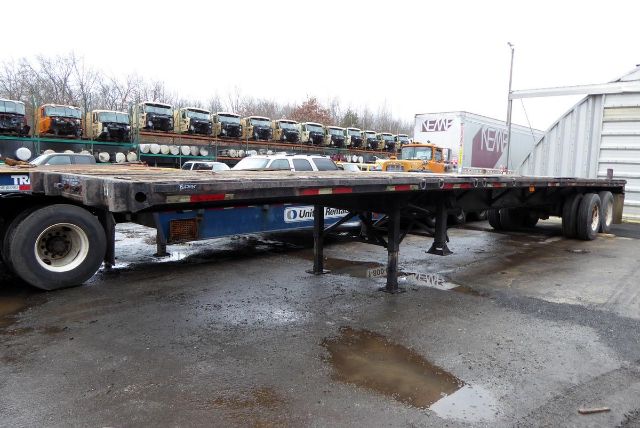
Have used fontaine flatbed trailer to sell? List it here to reach thousands of buyers.
About Used Fontaine Flatbed Trailers in New York
Steel Fontaine flatbeds typically appeal to buyers who prioritize ruggedness and lower acquisition cost, while aluminum or combo construction is often favored when payload matters most. Common specs in this category include 45-foot and 48-foot deck lengths, standard 102-inch width, wood floors over steel crossmembers, tandem axles, and sliding tandem setups for bridge compliance and load distribution. Suspension type also matters. Mechanical spring suspensions are simple and durable, while air ride can offer a better match for more sensitive freight. Buyers should also look closely at deck height, concentrated load rating, kingpin area condition, crossmember repairs, rub rail integrity, stake pockets, winch track, and the number and placement of D-rings or chain tie-down points.
For New York operations, trailer weight and axle placement can make a real difference. Urban deliveries, bridge laws, and tighter loading areas often make a slideable closed tandem more useful than a fixed spread for general freight. Tire size, wheel type, brake condition, and lighting should be evaluated with the same discipline as the frame and deck, especially on older trailers that may have seen mixed service. A used Fontaine flatbed with a sound frame, solid floor, straight main beams, and clean suspension attachment points can remain a dependable revenue trailer for years if the structural basics are right.
The best buying approach is to match the trailer to the freight, not just the price tag. A heavier steel 45-footer may be perfectly suited for dense building products or short regional runs, while a lighter setup may pencil out better for longer-haul freight where every pound of payload counts. On any used Fontaine flatbed, pay attention to prior weld repairs, corrosion around landing gear mounts and rear sill components, brake and air system condition, and signs of overloading near the concentrated load zone. Flatbeds are simple by design, which makes condition and specification discipline even more important when comparing listings.
Frequently Asked Questions
What should I inspect first on a used Fontaine flatbed trailer?
Start with the structural components. Check the main beams for cracks, bends, or heavy weld repairs, then inspect crossmembers, the kingpin area, suspension hangers, landing gear mounts, and the rear frame. After that, evaluate the deck condition, rub rails, stake pockets, tie-down equipment, brakes, tires, wheels, and air system. On an older flatbed, structural integrity matters more than cosmetic appearance.
Are steel Fontaine flatbeds a good choice for general freight?
Yes, especially when durability and purchase price are more important than maximizing payload. Steel flatbeds are commonly used for building materials, equipment, fabricated products, and short to medium haul freight. They usually weigh more than aluminum or combo trailers, but they can be a strong fit for buyers who want a rugged trailer that handles demanding loading environments.
Why does a sliding tandem matter on a flatbed trailer?
A sliding tandem gives the operator more flexibility to adjust axle spacing and load balance for bridge law compliance, state regulations, and customer dock requirements. In regions like New York, that flexibility can be valuable because freight weights, road restrictions, and delivery conditions vary widely. It also helps fine-tune tractor-trailer weight distribution for legal axle loads.
What deck features are most important on a used flatbed?
The floor material and the tie-down system are the key deck-related items. Buyers should inspect wood planks for rot, splitting, soft spots, and uneven wear, and check that steel supports underneath are not cracked or heavily corroded. Tie-down usability also matters. Look for straight rub rails, usable stake pockets, secure winches or winch track, and enough D-rings or chain slots for the type of freight being hauled.
How do I choose between a 45-foot and 48-foot used flatbed trailer?
The right deck length depends on the freight profile and operating area. A 45-foot flatbed can be a practical fit for dense freight, regional hauling, or tighter delivery points, and older 45-foot trailers can offer strong value in the used market. A 48-foot trailer gives more deck space for longer or more varied loads and is often preferred for broader general freight applications. The better choice is the one that matches the dimensions, weight, and loading pattern of the loads you expect to haul.