
Used 2015 Fontaine Flatbed Trailers For Sale
Browse used 2015 Fontaine flatbed trailers for sale, including common specs, deck options, axle setups, and hauling applications.
Learn more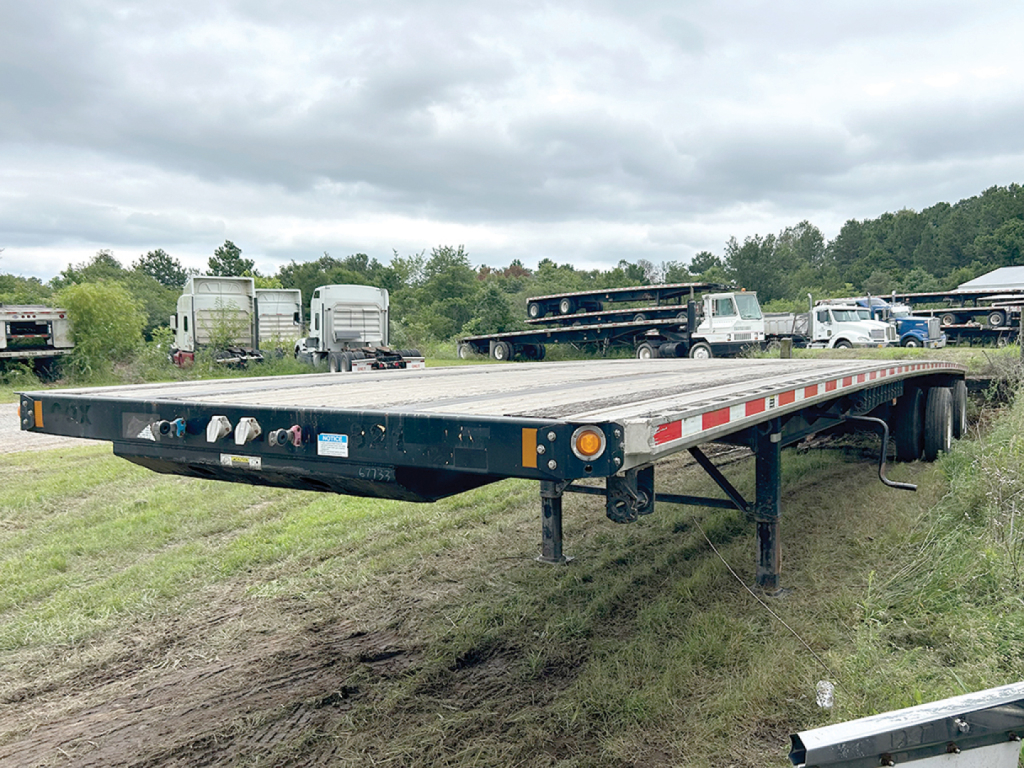
Have used 2015 fontaine flatbed trailer to sell? List it here to reach thousands of buyers.
About Used 2015 Fontaine Flatbed Trailers
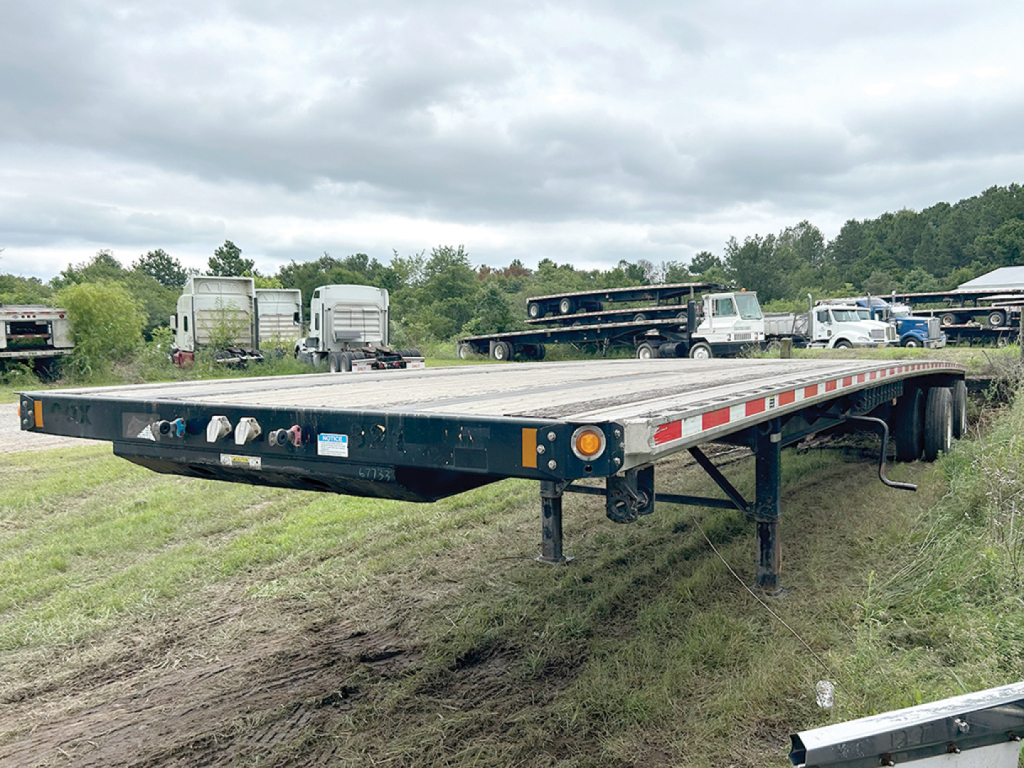
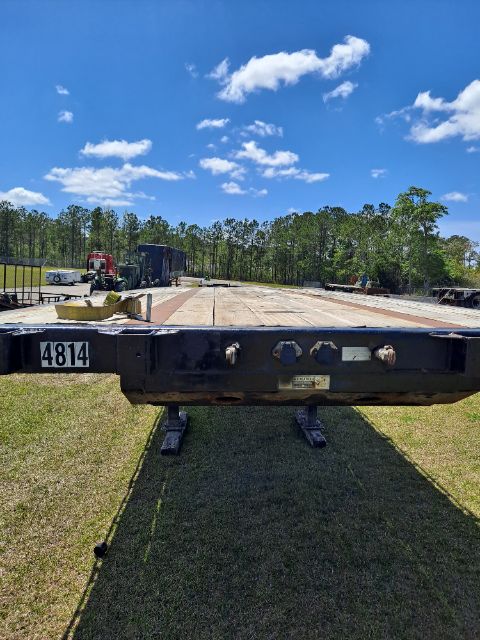
The first decision is usually deck type and weight balance. Fontaine flatbeds from this era can be found in steel, aluminum, or combination aluminum-steel construction. A steel deck or steel-frame trailer generally favors durability and lower upfront cost, while aluminum or combo designs help improve payload by cutting tare weight. Decking may include apitong or aluminum flooring, with details like nail strips, pipe spools, winch tracks, and sliding winches making a real difference in daily securement work. If the trailer will see coils, lumber, machinery, or mixed LTL flatbed freight, check crossmember spacing, side rail condition, tie-down points, and the overall condition of the floor.
Axle layout and suspension matter just as much as deck material. Used 2015 Fontaine flatbeds may be spec'd with tandem sliding axles, fixed spreads, or air ride suspensions depending on the original application. A sliding tandem offers flexibility for bridge law compliance and easier weight adjustment, while a spread axle setup can improve load distribution and deck stability but may be less forgiving in tight urban work. Many buyers also pay close attention to kingpin setting, ride height, tire size, wheel type, brake condition, and how the suspension has worn over time. On an extendable flatbed, the condition of the extension locks, inside track system, wiring, and air lines is especially important because those components take repeated stress in operation.
For a used 2015 Fontaine flatbed, condition is often more important than raw age. Look closely at frame straightness, deck wear, corrosion around crossmembers, landing gear function, light wiring, and signs of concentrated heavy-haul use. A well-maintained Fontaine can remain productive for many years in regional or over-the-road flatbed service, especially when the trailer has the right securement package for the freight mix. Buyers comparing listings should focus on length, construction type, axle configuration, suspension, and tare weight first, then narrow down by details such as bulkheads, toolboxes, chain ties, and winch setup.
Frequently Asked Questions
What are the most common specs on a used 2015 Fontaine flatbed trailer?
Common specifications include a 48-foot or 53-foot deck, 102-inch width, tandem or spread axle configuration, and either steel, aluminum, or combo construction. Many Fontaine flatbeds also include apitong flooring, winch tracks, sliding winches, chain ties, and air ride or spring ride suspension. Exact specs vary by original application, so deck length, tare weight, and axle setup should be confirmed on each trailer.
Is an aluminum or steel Fontaine flatbed better for my operation?
It depends on the freight and operating priorities. Aluminum and aluminum-steel combination trailers usually offer lower empty weight, which helps maximize payload and fuel efficiency. Steel trailers generally cost less up front and hold up well in demanding vocational work, but they carry more tare weight. Buyers hauling dense freight should compare durability and repair history, while buyers focused on legal payload often lean toward lighter construction.
What should I inspect on a used 2015 Fontaine extendable flatbed?
Start with the extension mechanism, lock engagement, frame alignment, and deck condition across the full extended and closed positions. Check for wear in the sliding sections, damage to air and electrical lines, and any signs that the trailer was operated regularly with poor lock engagement or uneven loading. Also inspect suspension components, brake system condition, tire wear, kingpin area, and rear structure because extendable trailers can see higher stress than standard fixed-length flatbeds.
Which axle setup is better on a flatbed, sliding tandem or spread axle?
A sliding tandem gives the driver more flexibility to shift weight for bridge compliance and varying load positions, which is useful in mixed freight service. A spread axle can improve load distribution and often works well for stable open-deck freight, but it may be harder to maneuver in tight areas and can be less flexible for certain states or shippers. The better choice depends on route, freight profile, and how often axle position needs to change.
How long can a 2015 Fontaine flatbed trailer stay productive in fleet service?
A properly maintained Fontaine flatbed can remain productive well beyond its model year if the frame, deck, suspension, and running gear are in solid condition. Flatbeds tend to age based on workload and maintenance rather than calendar year alone. Trailers that have seen consistent inspections, flooring repairs, brake service, and corrosion control often continue to perform well in regional and over-the-road service.