
Used 2007 Fontaine Flatbed Trailers For Sale
Shop used 2007 Fontaine flatbed trailers. Compare 48' to 53' decks, combo or steel builds, axle setups, tie-down gear, and condition.
Learn more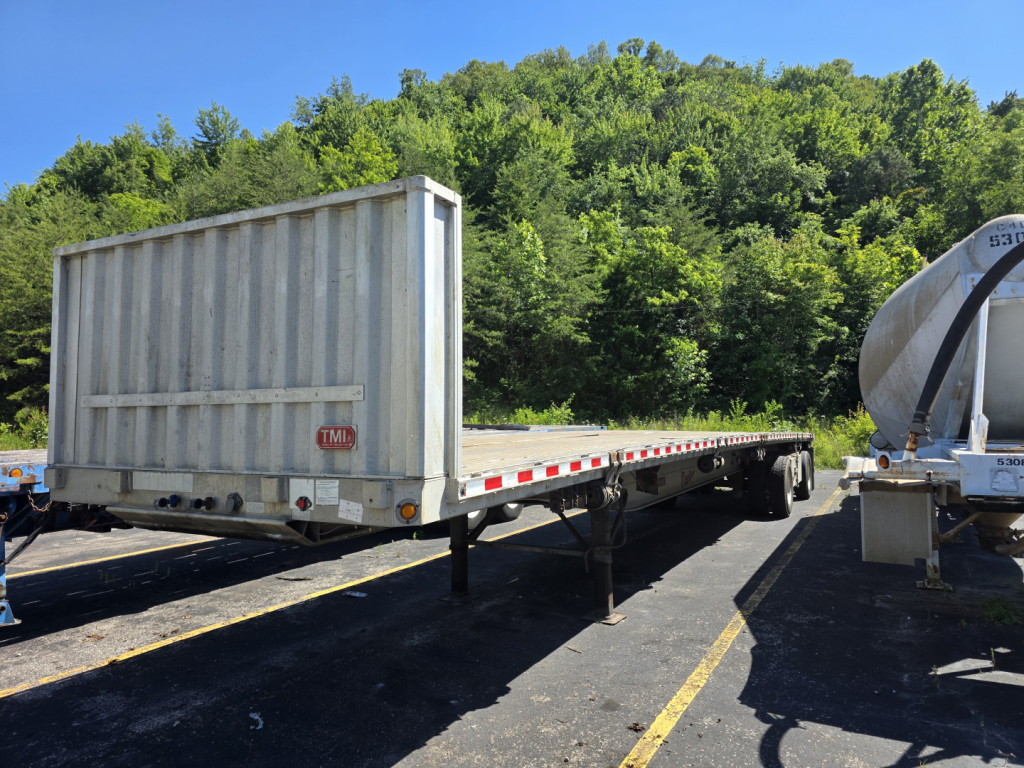
Have used 2007 fontaine flatbed trailer to sell? List it here to reach thousands of buyers.
About Used 2007 Fontaine Flatbed Trailers
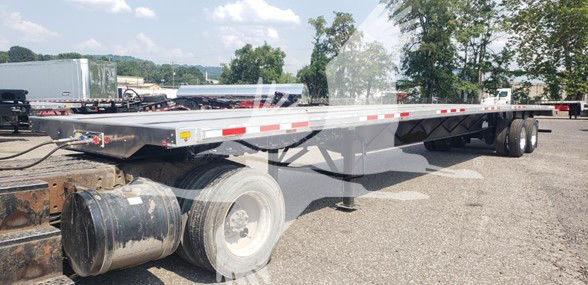
Common configurations in Fontaine flatbed trailers include 48-foot and 53-foot decks, 102-inch width, tandem or spread axle layouts, and either all-steel or combo construction with steel main beams and aluminum components to save weight. Some Fontaine flatbeds are built with sliding tandems for bridge-law flexibility, while others use fixed spread axles for payload distribution and stability. Deck materials often include Apitong wood, which remains popular for durability and secure freight contact. Features that matter on a used flatbed include winch tracks, sliding winches, chain spools, coil package setups, bulkheads, nail strips, dunnage racks, toolboxes, and tire inflation systems. Suspension type also matters. Spring ride is simple and durable, while air ride is preferred for more delicate freight.
Inspection is critical on a 2007 flatbed trailer. Look closely at the kingpin area, upper coupler plate, frame flanges, crossmember repairs, rear impact guard, and suspension hangers. Check for cracked welds around the landing gear mounts and signs of concentrated loading in coil wells or high-stress securement zones. Wood floors should be checked for rot, broken boards, and fastener pull-through. Aluminum components should be inspected for corrosion and fatigue, especially where steel and aluminum meet. Tire size, wheel type, brake condition, and axle alignment all affect operating cost right away, so those items deserve the same attention as deck length and weight rating.
The right used Fontaine flatbed depends on the lanes and freight you run. A lighter combo trailer can help maximize payload for legal-weight freight, while a heavier steel trailer may make sense for hard-use regional work and tougher loading environments. A sliding tandem may be the better fit for mixed-state operation, while spread axles can work well for longer, more evenly distributed loads. Buyers comparing used 2007 Fontaine flatbed trailers should think in terms of tare weight, securement layout, repair history, and how easily the trailer can be kept compliant. The best choice is the one that fits your freight profile without adding unnecessary maintenance exposure.
Frequently Asked Questions
What should I inspect first on a used 2007 Fontaine flatbed trailer?
Start with the main beams, crossmembers, kingpin area, suspension mounts, and deck condition. These are the highest-value structural checkpoints and the most expensive areas to repair if damage is present. Also inspect the side rails for tie-down wear, look for weld repairs or cracks around the landing gear, and confirm the brake, tire, and axle condition because those items can add immediate operating expense after purchase.
Are 2007 Fontaine flatbed trailers typically steel or combo construction?
Both are common, depending on the original spec. Some Fontaine flatbeds use all-steel construction for durability in demanding service, while others use combo construction with steel main beams and aluminum components to reduce trailer weight. Combo trailers can improve payload capacity, but buyers should inspect closely for galvanic corrosion, deck wear, and fatigue around transition points where different materials meet.
What deck lengths and axle setups are common on Fontaine flatbeds?
The most common deck lengths are 48 feet and 53 feet with a standard legal width of 102 inches. Axle configurations usually include tandem axles with a sliding suspension or a fixed spread axle setup. Sliding tandems provide more flexibility for bridge law and dock positioning, while spread axles can improve load distribution and stability for certain freight types.
Is spring ride or air ride better on a used flatbed trailer?
That depends on the freight. Spring ride is straightforward, durable, and often preferred in rugged applications where simplicity matters. Air ride is better for freight that is more sensitive to road shock, including some machinery, fabricated products, and higher-value materials. On a used trailer, the better choice is often the suspension that has been maintained properly and matches your actual load profile.
What features add value on a used Fontaine flatbed?
Useful features include sliding winches, winch tracks, chain spools, coil package securement, bulkheads, nail strips, toolboxes, dunnage racks, and tire inflation systems. These features can reduce setup time and improve load versatility. Value comes from both the presence of the equipment and its condition, because bent winch tracks, damaged side rails, or worn securement hardware can offset the benefit.