
2015 Fontaine Flatbed Trailers For Sale
Shop 2015 Fontaine flatbed trailers with specs buyers want, including deck material, axle spread, suspension, tie-down setup, and payload focus.
Learn more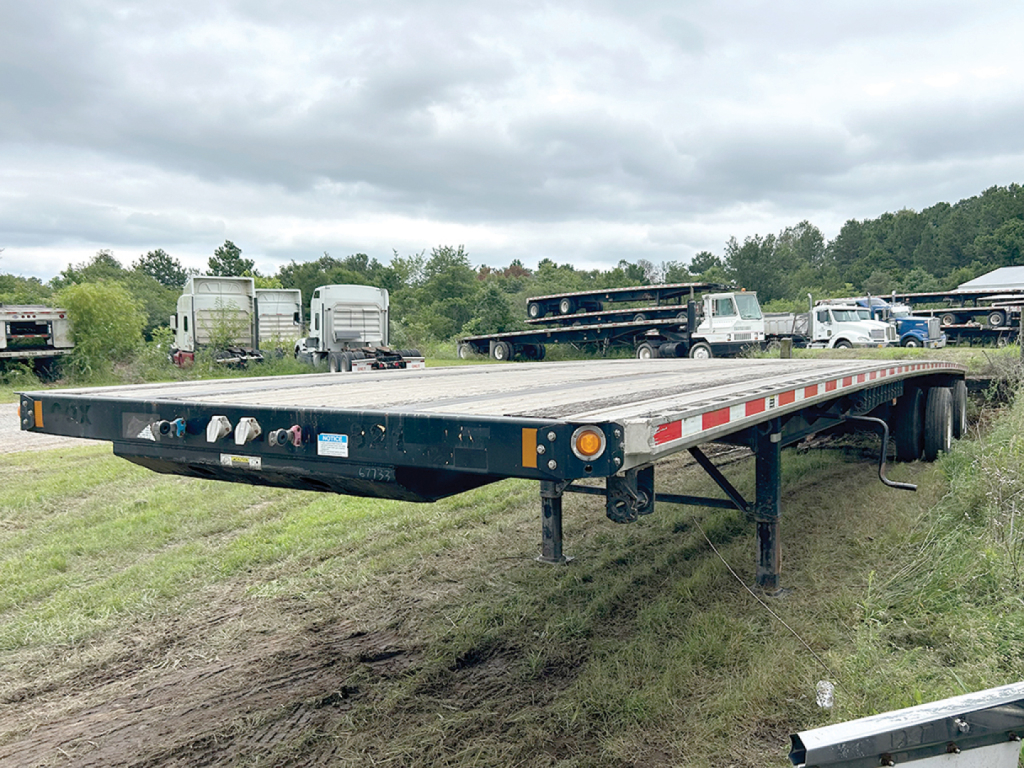
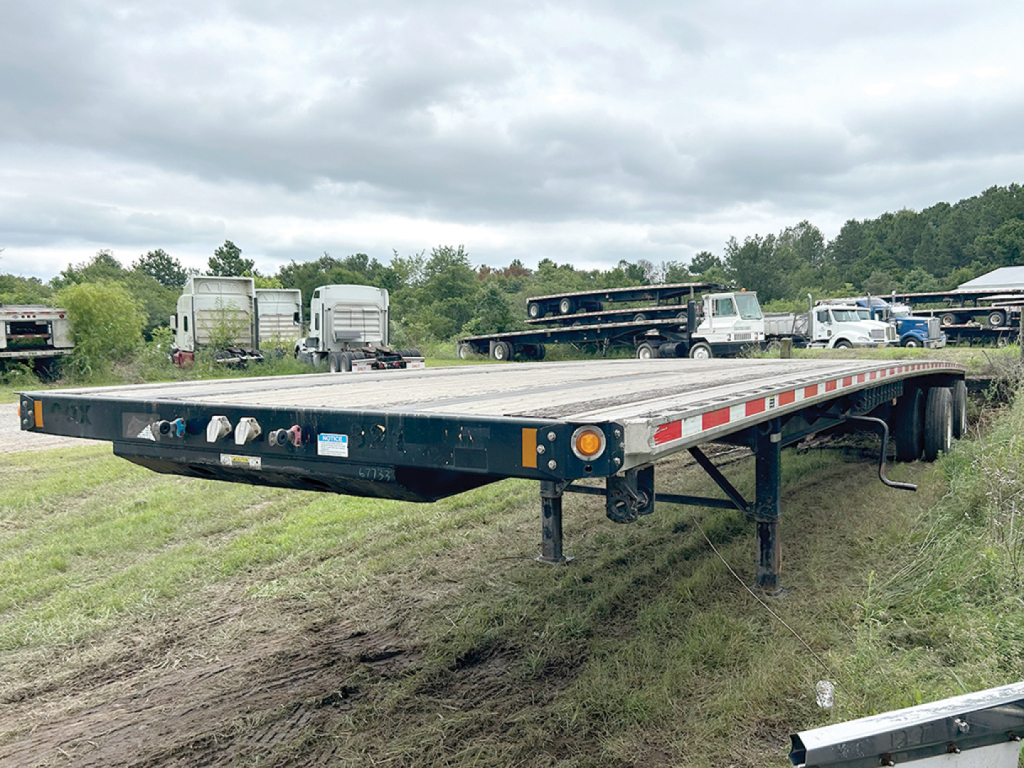
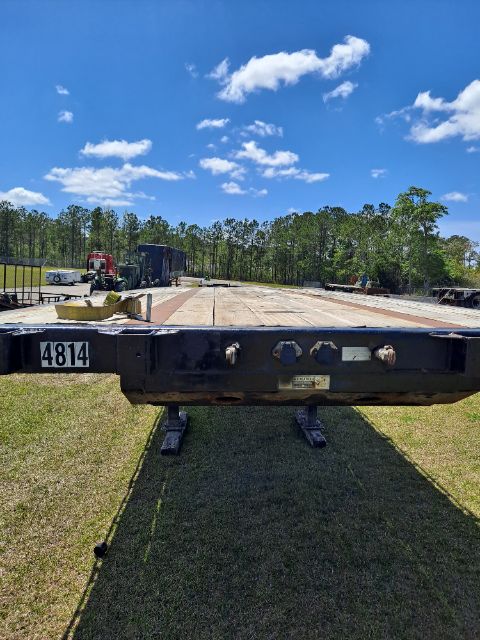
Have 2015 fontaine flatbed trailer to sell? List it here to reach thousands of buyers.
About 2015 Fontaine Flatbed Trailers
On a 2015 Fontaine flatbed, buyers should pay close attention to deck length, axle configuration, and kingpin setting because those details affect bridge compliance, maneuverability, and where the trailer fits best in a regional or over-the-road operation. Common configurations include 48-foot by 102-inch decks, tandem or spread axle layouts, and air ride suspensions, though some trailers in this age range may still be spring ride. A wide spread can improve weight distribution and legal loading flexibility, while a sliding tandem may be better for operations that regularly adjust axle position to meet state bridge laws or dock requirements. Loaded fifth wheel height, crossmember spacing, and floor type also matter if the trailer will see forklifts, concentrated loads, or frequent loading on uneven job sites.
Securement spec is where one 2015 Fontaine flatbed can differ sharply from another. Many buyers look for integrated rub rails, stake pockets on 24-inch centers, chain tie-downs, winch tracks, and sliding winches because these features directly affect how quickly the trailer can be loaded and how many freight types it can handle. Coil package equipment is especially important for steel haulers, and buyers should verify whether the trailer has a single coil well or other concentrated-load accommodations. Flooring can range from aluminum to Apitong wood or mixed-material construction, and that choice affects traction, repair cost, and how the deck holds up under repeated contact from chains, tarps, and forklifts. Toolboxes, dunnage racks, tire inflation systems, and dock bumpers are also worth noting because they add day-to-day utility without changing the core trailer class.
Condition matters more than age alone on a 2015 model. Buyers should inspect main beams, crossmembers, side rails, suspension components, air system integrity, wheel ends, brake life, and deck wear, especially around concentrated-load areas and securement points. On aluminum and combo trailers, look closely for prior repairs, corrosion at connection points, and fatigue around high-stress sections. A well-maintained 2015 Fontaine flatbed trailer can still be a strong fit for general commodity hauling, construction materials, palletized freight, equipment moves, and steel service work, provided the spec matches the freight and the trailer has enough remaining structural life to support the intended duty cycle.
Frequently Asked Questions
What should I look for first on a used 2015 Fontaine flatbed trailer?
Start with structural condition and core spec. Main beams, crossmembers, side rails, suspension, brakes, wheel ends, and deck condition tell you more than cosmetics. After that, confirm the trailer matches the freight you plan to haul by checking deck length, axle setup, kingpin setting, suspension type, flooring, and securement equipment such as winch tracks, chain tie-downs, and stake pockets.
Are 2015 Fontaine flatbed trailers usually aluminum or steel?
They can be aluminum, steel, or combo construction, depending on the original application. Aluminum flatbeds are typically chosen for lower tare weight and higher payload. Steel models generally trade extra weight for durability in harder service. Combo trailers use steel in high-stress areas with aluminum components elsewhere, giving buyers a middle ground between payload efficiency and ruggedness.
Is air ride better than spring ride on a flatbed trailer?
Air ride is preferred in many flatbed operations because it generally provides a better ride for freight, helps reduce shock transfer, and is common on higher-spec trailers. Spring ride is simpler and can be less expensive to maintain, but it is usually less forgiving on sensitive loads and rough roads. The better choice depends on cargo type, operating region, and how much emphasis you place on ride quality versus simplicity.
Why do axle spread and kingpin setting matter on a flatbed?
Axle spread and kingpin setting affect weight distribution, bridge law compliance, and turning characteristics. A spread axle setup can improve legal loading flexibility and help distribute weight across the trailer. Kingpin setting influences tractor-trailer gap, swing clearance, and how the load sits relative to the tandems. These dimensions matter when hauling dense freight or operating in states with stricter bridge and axle rules.
Can a 2015 Fontaine flatbed still be a good trailer for heavy freight?
Yes, if the trailer was built for that application and has been maintained properly. Buyers should verify rated capacity, concentrated load capability, deck and crossmember condition, coil package equipment if needed, and the overall state of the suspension and braking system. A correctly spec'd and structurally sound 2015 Fontaine flatbed can still handle demanding freight, but heavy-duty use depends on actual condition, not just brand or model year.