
2007 Fontaine Flatbed Trailers For Sale
Shop 2007 Fontaine flatbed trailers for heavy haul, steel, lumber, and machinery work. Compare specs, weight, deck design, and axle setup.
Learn more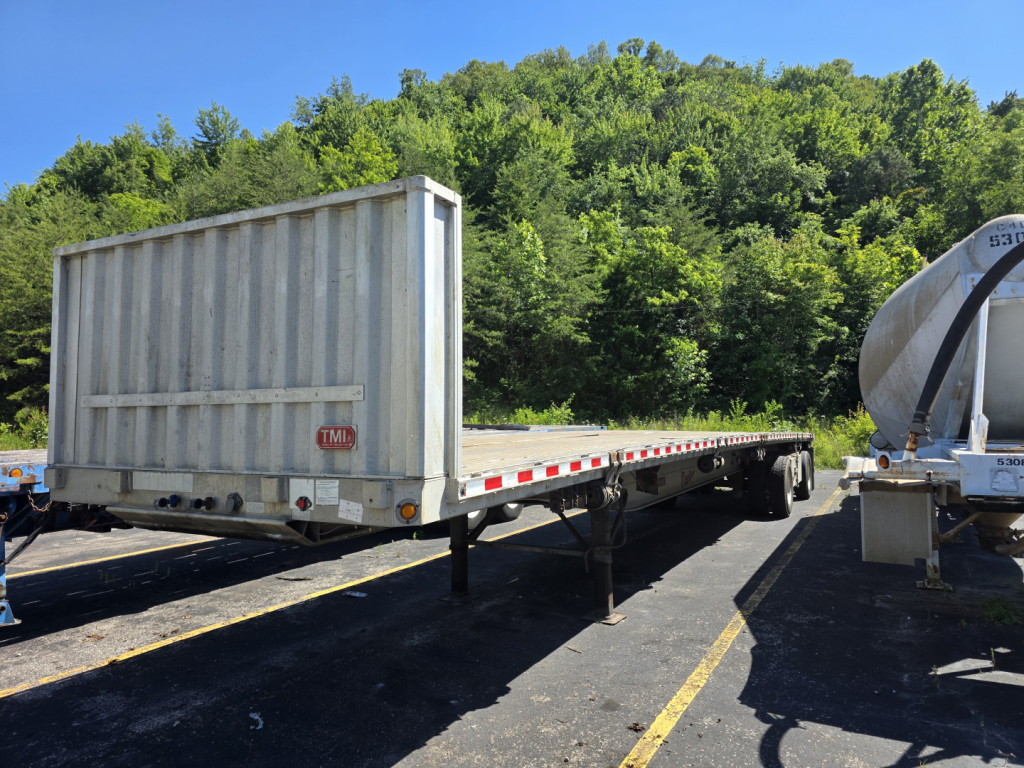
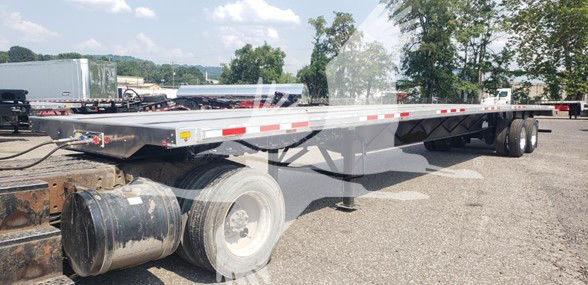
Have 2007 fontaine flatbed trailer to sell? List it here to reach thousands of buyers.
About 2007 Fontaine Flatbed Trailers
Most 2007 Fontaine flatbed trailers on the market are 48-foot by 102-inch units, although some 53-foot configurations also appear. Common spec points include tandem axles, air ride or spring ride suspension, sliding tandems, and wood or aluminum floor construction depending on the original build. Buyers hauling coils, pipe, or dense building products should check for a coil package, enough chain tie-down points, winch track condition, and side rail integrity. Kingpin setting, axle spread, and overall tare weight matter if the trailer will be used across multiple states or in operations where payload and bridge compliance directly affect revenue.
Condition matters more than model year on a used flatbed. On a 2007 trailer, inspect the main beams for cracks, repairs, or corrosion, especially around suspension hangers, crossmember connections, and the rear frame. Look closely at the floor, nail strips, rub rail, stake pockets, and sliding winches since these areas take daily abuse. If the trailer has aluminum components, check for impact damage and past weld repairs. Brake chambers, bushings, slack adjusters, air lines, wiring, and ABS function should all be reviewed before purchase. Tire wear can also tell you a lot about alignment, axle condition, and how the trailer has been maintained.
For many fleets and owner-operators, a 2007 Fontaine flatbed trailer still fits well in regional and over-the-road service if the specs match the freight lane. Lightweight builds help maximize payload, while heavier steel-frame trailers may be a better fit for rugged jobsite work and concentrated loads. Flatbed trailers are also commonly referred to as open-deck trailers, and their value comes down to deck usability, securement options, and structural life remaining in the chassis. A careful buyer will compare weight rating, deck type, suspension, tie-down equipment, and evidence of past repairs before deciding which trailer is best suited to the work.
Frequently Asked Questions
What should I inspect first on a 2007 Fontaine flatbed trailer?
Start with the frame, crossmembers, and suspension area because structural repairs are the most expensive and the most important to safe operation. Look for cracked welds, bent or patched main rails, corrosion around hanger brackets, worn slider components, and damage at the rear impact area. After that, inspect the deck, winch track, stake pockets, rub rail, landing gear, brakes, tires, and lighting system.
Are 2007 Fontaine flatbed trailers usually 48 feet or 53 feet?
Many used Fontaine flatbeds from this era are 48-foot trailers, but 53-foot models are also available depending on the original application and build. The right length depends on the freight. A 48-foot flatbed is still common for steel, machinery, and general building products, while a 53-foot trailer can offer more deck space for lighter or longer freight that does not exceed legal weight limits.
Is an older Fontaine flatbed still a good choice for commercial hauling?
It can be, if the trailer has been maintained and the structure is still sound. Age alone does not determine value in a flatbed trailer. Many older open-deck trailers remain productive because they are mechanically simple and easier to inspect than enclosed equipment. The real question is frame condition, suspension health, deck life, and whether the trailer has the securement features needed for the freight you plan to haul.
What features matter most on a used flatbed trailer for steel or heavy building materials?
For dense freight, pay close attention to frame rating, floor condition, crossmember spacing, coil package availability, tie-down options, and suspension type. Buyers hauling steel often want strong side rails, reliable chain securement points, and a deck that can handle concentrated loading without excessive flex. Sliding tandems and the correct kingpin setting also matter because weight distribution and bridge compliance are critical with heavy commodities.
How do aluminum, combo, and steel Fontaine flatbeds differ?
Aluminum flatbeds are generally lighter and help maximize payload, which is useful in freight where every pound counts. Combo trailers use both aluminum and steel to balance weight savings with durability in high-stress areas. Steel flatbeds are usually heavier but can be a strong fit for severe-duty work, rough loading environments, and operations where durability matters more than tare weight. The best choice depends on commodity type, route conditions, and payload goals.