
Flatbed Trailers For Sale in Florida
Shop flatbed trailers for sale in Florida. Compare 48-foot and 53-foot tandem axle trailers, deck materials, suspension, and tie-down specs.
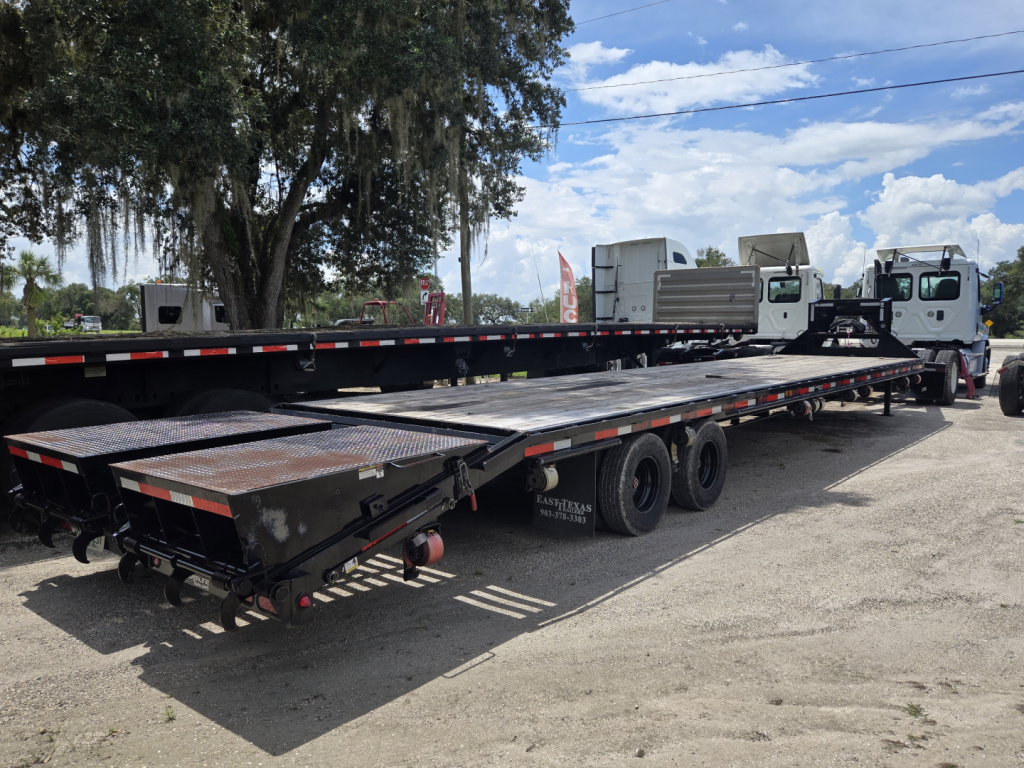
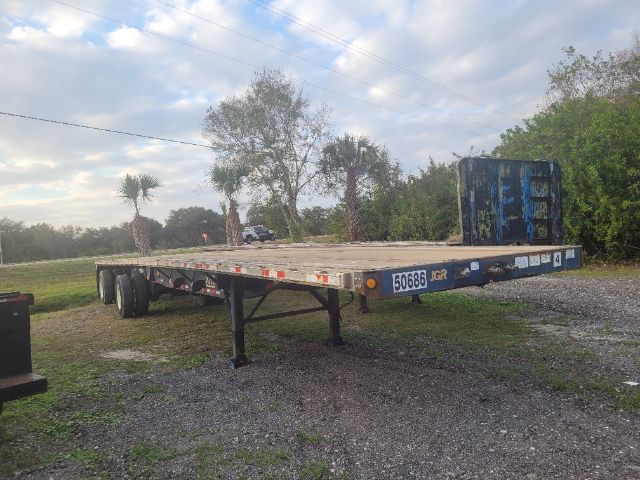
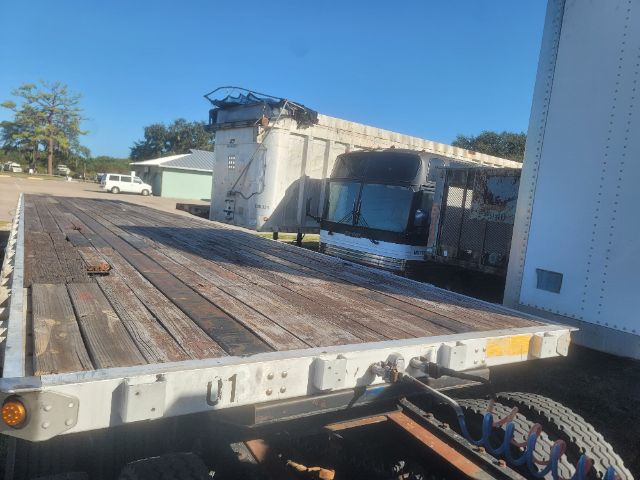
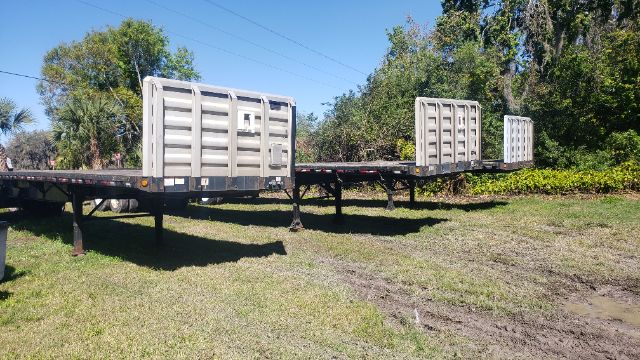
Selling a flatbed trailer? List your flatbed trailer for sale and reach thousands of commercial buyers.
Flatbed Trailers in Florida
Deck material matters. Aluminum combo flatbeds reduce tare weight and help maximize legal payload, which is valuable if the trailer will regularly haul dense freight. Steel frame and wood floor configurations are common because they are durable, easier to repair, and well suited for mixed cargo. Full steel decks hold up to hard use but add weight. Look closely at crossmembers, floor condition, main beams, outriggers, and the rear frame, especially on older trailers that may have seen forklift traffic or concentrated point loading. Suspension type also affects ride quality and freight protection. Air ride is preferred for many general freight applications because it helps reduce cargo shock and is easier on sensitive loads.
Tie-down equipment is another key buying point on a flatbed trailer. Winches, sliding winches, rub rails, stake pockets, and chain spools determine how efficiently a driver can secure different commodities. Some buyers also want coil package setups, pipe stakes, toolboxes, or tire inflation systems depending on the lanes they run. If the trailer will haul machinery or heavier concentrated loads, check the rating and spacing of the crossmembers and inspect the kingpin area, landing gear mounts, and suspension hangers for signs of stress or previous repair. Tire size, wheel type, brake condition, and axle alignment also deserve attention because they affect operating cost as much as purchase price.
A good flatbed trailer should match the freight first and the price second. A 48-foot trailer can make sense for regional work, older customer docks, and operations where maneuverability matters. A 53-foot trailer gives more deck space for lighter or mixed freight and is often preferred in broader over-the-road service. Florida buyers should also think about corrosion exposure from humidity and coastal conditions, along with the practical need for a trailer that can handle frequent securement cycles and year-round use. Also known simply as a flatbed or open-deck trailer, this category remains one of the most versatile trailer types in commercial trucking because it can adapt to a wide range of cargo with the right deck, suspension, and securement package.
Frequently Asked Questions about Flatbed Trailers in Florida
What is the difference between a 48-foot and 53-foot flatbed trailer?
A 48-foot flatbed trailer is often chosen for regional freight, tighter yards, and applications where maneuverability is important. A 53-foot flatbed provides additional deck space for longer loads, partials, and lighter mixed freight, which can improve load planning flexibility. The right choice depends on the commodity, shipper requirements, legal loading dimensions, and how often the trailer will operate in tight urban or jobsite conditions.
Is an aluminum combo flatbed better than a steel flatbed?
An aluminum combo flatbed is usually lighter, which helps increase payload capacity and can improve fuel efficiency over time. A steel flatbed generally offers rugged durability and may be preferred in harder-use applications where repair simplicity matters more than tare weight. Many buyers balance these tradeoffs by choosing based on freight type, expected annual miles, and how important maximum legal payload is to the business.
What should I inspect first on a used flatbed trailer?
Start with the main beams, crossmembers, floor, suspension mounts, kingpin area, landing gear structure, brakes, tires, and axle alignment. On an open-deck trailer, repeated forklift loading and concentrated freight can stress the deck and frame over time. Also inspect rub rails, stake pockets, winches, and rear impact guard condition because securement hardware and structural integrity are central to safe flatbed operation.
Why is air ride suspension common on flatbed trailers?
Air ride suspension helps reduce vibration and cargo shock, which is important for machinery, palletized freight, and loads that can shift or sustain damage from a rough ride. It can also improve overall trailer stability and driver acceptance in general freight service. For many buyers, air ride is the preferred setup because it supports a wider range of cargo than a more basic suspension configuration.
What securement features matter most on a flatbed trailer?
The most important securement features usually include winches or sliding winches, a strong rub rail, usable stake pockets, chain tie-down points, and enough deck layout flexibility to handle different commodities. Buyers hauling steel, lumber, machinery, or pipe may also want specialized options such as coil package setups, pipe stakes, and toolboxes for straps, chains, and binders. The best securement package is the one that matches the cargo mix and keeps loading and unloading efficient.