
Felling Flatbed Trailers For Sale
Shop Felling flatbed trailers built for equipment, materials, and general hauling with durable decks, strong frames, and practical loading options.
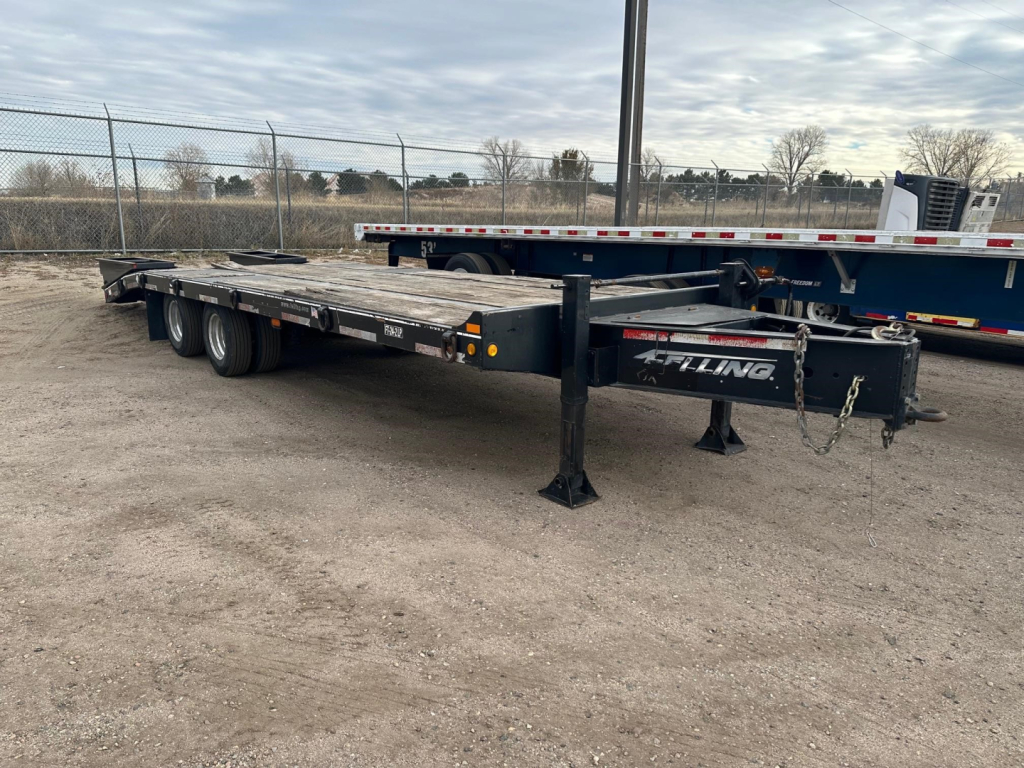
Selling a felling flatbed trailer? List your felling flatbed trailer for sale and reach thousands of commercial buyers.
Felling Flatbed Trailers
The first specs to compare are deck length, GVWR, axle setup, and loading style. Many Felling flatbeds in this class use tandem axles, spring ride suspension, wood decking, and a beavertail with flip-over ramps for loading skid steers, compact excavators, tractors, scissor lifts, and other rubber-tired or tracked equipment. A 102-inch wide deck is common and gives good flexibility for machines and palletized material. Buyers should pay close attention to payload after trailer empty weight, ramp angle, deck height, and whether the trailer has fixed axles or a layout that better matches the wheelbase and balance of the equipment being hauled.
Frame construction and deck details matter more than brand decals once the trailer goes to work every day. On a Felling flatbed, look at crossmember spacing, main frame size, rub rail condition, stake pockets, tiedown points, and the condition of the wood floor or steel components. If the trailer has side rails, a beavertail, or heavy-duty ramps, those features can make a real difference in load securement and daily loading efficiency. Brake type, tire size, lighting, wiring protection, and coupler condition also deserve a close inspection because these items affect uptime and compliance just as much as rated capacity.
A used Felling flatbed trailer is often a strong fit for buyers who want a no-nonsense equipment trailer that is easy to maintain and easy to match with existing fleet trucks. The right unit depends on what you haul most often, how frequently you load, and whether you need faster ramp loading or more uninterrupted flat deck length. For mixed-use hauling, a trailer with tandem axles, spring suspension, wood deck, and rear ramps remains one of the most versatile setups in the market. If your jobs involve compact equipment, attachments, bundled materials, or general contractor freight, this category offers practical trailer configurations that can cover a wide range of daily applications.
Frequently Asked Questions about Felling Flatbed Trailers
What are Felling flatbed trailers commonly used for?
Felling flatbed trailers are commonly used for hauling compact construction equipment, tractors, skid steers, scissor lifts, attachments, and palletized materials. Many are configured as tag trailers with pintle hitches, making them a practical choice for contractors, municipalities, rental fleets, and landscape operations that need a versatile equipment and material hauler.
What specs matter most when comparing a Felling flatbed trailer?
The most important specs are GVWR, usable deck length, deck width, axle configuration, suspension type, and loading setup. Buyers should also compare empty weight, payload capacity, deck height, ramp style, beavertail design, brake system, and tiedown provisions. These details determine how well the trailer matches the weight, dimensions, and loading characteristics of the equipment being transported.
Is a wood deck a good choice on a Felling flatbed trailer?
A wood deck is a common and practical choice for this trailer class because it provides traction, is relatively easy to repair, and handles general equipment hauling well. Buyers should inspect for rot, broken boards, fastener condition, and signs of moisture damage around high-stress areas. For many fleets, a sound wood deck remains cost-effective and field-serviceable.
Why is a beavertail with flip ramps important on a flatbed trailer?
A beavertail with flip ramps helps reduce loading angle, which is important for low-clearance machines and safer loading. This setup can speed up loading and unloading of skid steers, small rollers, trenchers, and similar equipment. It also improves versatility for operators who move different machines through the week and need a trailer that accommodates changing load profiles.
How do I know if a used Felling flatbed trailer is the right fit for my truck?
Start by confirming the trailer GVWR, coupler type, and tongue or hitch requirements, then compare them to the towing capacity and brake setup of your truck. A pintle hitch trailer is common in vocational applications, but overall fit also depends on loaded trailer weight, brake controller compatibility, electrical connection, and how the load balances across the axles. Matching the trailer to both the truck and the equipment is the key to safe, stable operation.