
East Flatbed Trailers For Sale
Shop East flatbed trailers for sale. Compare aluminum specs, lengths, axle setups, winch tracks, floor options, and hauling applications.
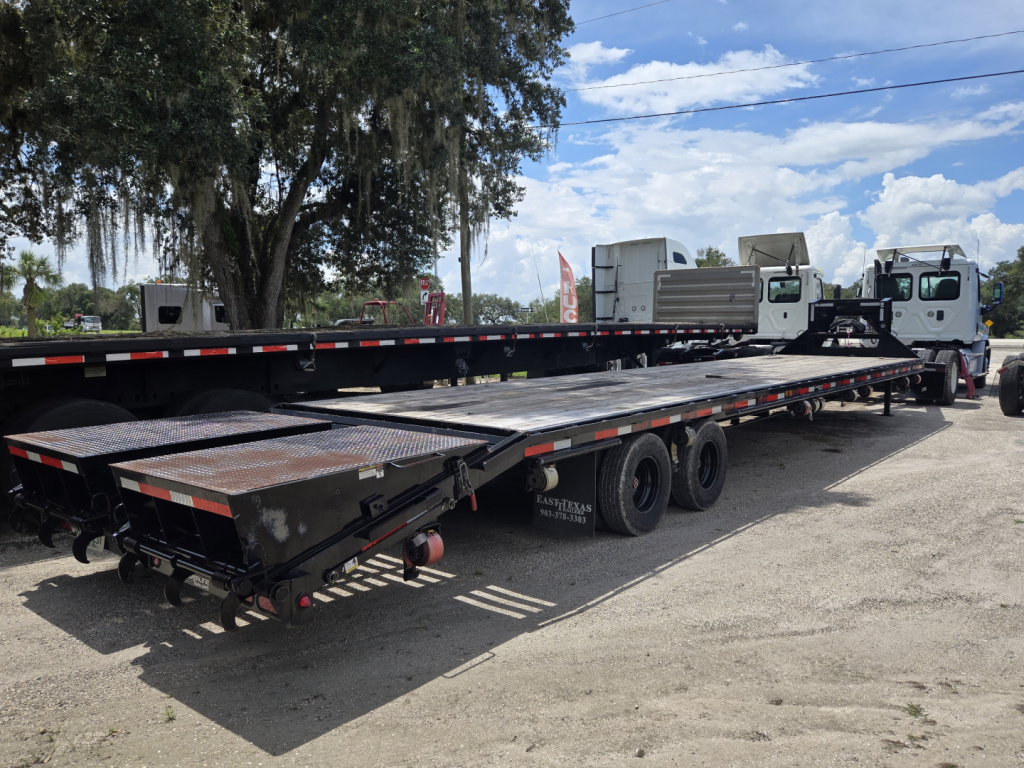
Selling a east flatbed trailer? List your east flatbed trailer for sale and reach thousands of commercial buyers.
East Flatbed Trailers
A typical East flatbed trailer in this class is a 48-foot by 102-inch model with tandem axles, air ride suspension, and a fixed spread or closed tandem setup depending on the intended lanes and state bridge laws. Buyers should pay close attention to floor design, crossmember spacing, beam rating, and kingpin setting, because those details affect load flexibility and axle scaling. Aluminum floors with integrated tie-down tracks are common, along with aluminum side rails, bulkheads, stake pockets, pipe spools, and winch tracks on one or both sides. Many East trailers are equipped with sliding winches, coil package features, and 80,000-pound GVWR configurations, making them practical for steel haulers and general commodity work.
Spec choice matters more on a flatbed than many buyers expect. A bulkhead can add protection for certain freight profiles, but it also changes loading preferences for some operators. Air ride suspension helps protect sensitive cargo and usually adds to resale appeal. Tire size, wheel type, brake spec, and landing gear condition all affect operating cost and uptime, especially on used trailers. It is also worth checking for disc versus drum brakes, FHWA inspection status, axle alignment, fifth wheel plate wear, and any floor or rail damage from forklifts, chains, or concentrated loads. On aluminum trailers in particular, look closely at crossmembers, floor attachments, and areas around winch tracks and suspension mounts for signs of fatigue, repairs, or corrosion from harsh-service environments.
East flatbeds fit a wide range of freight operations because they can be configured for standard open-deck hauling or specialized securement needs. Buyers comparing listings should think in terms of freight mix first, then structure and options. A trailer hauling lumber, pipe, and machinery has different priorities than one dedicated to coils or high-cycle regional building products. Features like double pipe spools, integrated winch tracks, sliding winch retainers, and coil package layouts can make daily loading faster and safer. When the trailer is correctly spec'd, an East flatbed offers a good balance of low tare weight, durable construction, and broad resale demand in the used trailer market.
Frequently Asked Questions about East Flatbed Trailers
What makes an East flatbed trailer different from other flatbed brands?
East flatbed trailers are best known for aluminum construction and weight-conscious design. That usually translates to lower tare weight and higher potential payload compared with heavier steel-based trailers, while still offering the structural features most flatbed operators need such as winch tracks, stake pockets, pipe spools, coil package options, and air ride suspension. Buyers often compare East with other premium aluminum trailer brands when payload, corrosion resistance, and long-term resale value are priorities.
What specs matter most when buying a used East flatbed trailer?
The most important specs are length, width, axle configuration, suspension type, floor construction, beam rating, and securement equipment. After that, buyers should verify kingpin setting, crossmember spacing, brake type, tire condition, wheel material, and landing gear function. On a used unit, structure and wear history matter as much as the original build sheet, so it is smart to inspect the floor, side rails, crossmembers, suspension mounts, and fifth wheel area closely for fatigue, damage, or prior repairs.
Are East flatbed trailers good for steel and coil hauling?
Many East flatbed trailers are well-suited for steel and coil work when they are equipped with the right package. A proper coil package generally includes reinforced load areas and securement provisions designed for concentrated weight. Buyers hauling steel should confirm the trailer's beam rating, floor design, tie-down setup, and any dedicated coil bunks or track arrangements. A general-purpose flatbed is not automatically ideal for coil hauling unless it has been specifically spec'd for that application.
Is an aluminum flatbed trailer the right choice for general freight?
An aluminum flatbed is often an excellent choice for general freight because lower empty weight can improve revenue per load on weight-sensitive hauls. It also resists rust better than steel, which can help appearance and long-term upkeep. The tradeoff is that buyers need to pay close attention to structural condition and prior use, especially if the trailer has handled dense freight or seen rough loading practices. For many operations, the payload advantage and strong resale market make aluminum the preferred flatbed material.
What should buyers inspect on an East flatbed before purchase?
Start with the frame, crossmembers, floor, side rails, bulkhead, and suspension components. Then inspect the winch tracks, stake pockets, pipe spools, landing gear, brake system, tires, wheels, mud flap brackets, and lighting. Check for cracked welds, bent rails, worn slider components if equipped, damaged flooring from forklift traffic, and any uneven tire wear that may point to alignment or suspension issues. Maintenance records, inspection history, and evidence of proper securement use can tell you a lot about how the trailer was operated.