
Dynaweld Flatbed Trailers For Sale
Shop Dynaweld flatbed trailers with specs buyers want, including deck length, axle setup, suspension, GVWR, deck height, and steel construction.
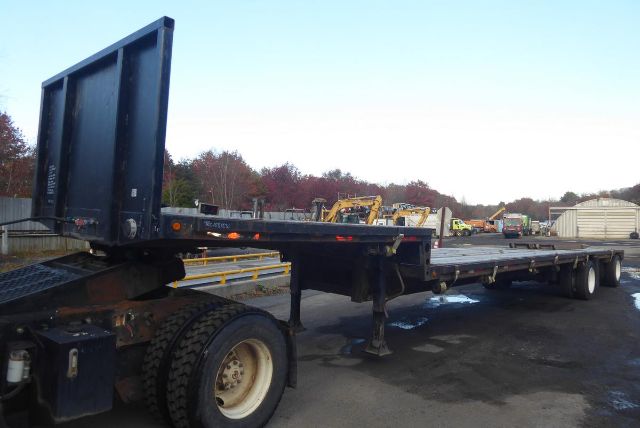
Selling a dynaweld flatbed trailer? List your dynaweld flatbed trailer for sale and reach thousands of commercial buyers.
Dynaweld Flatbed Trailers
The first buying decision should be frame and deck construction. Many Dynaweld trailers in the market are steel trailers, and steel still appeals to fleets and owner-operators hauling concentrated loads, jobsite freight, coils, or equipment that can punish a lighter platform. Buyers should look closely at main frame condition, crossmember integrity, floor wear, and any signs of repairs around the rear transition, suspension mounts, and kingpin area. Wood floors over steel structure are common and practical because they balance traction, repairability, and load securement. On a step deck version, check the loaded deck height on both the upper and lower deck, along with ramp compatibility if the trailer will handle forklifts, skid steers, or smaller construction equipment.
Axle spread, suspension type, and tire package also deserve close attention because they affect ride quality, bridge compliance, and maintenance cost. Fixed spread tandem axles are common on older and mid-age open-deck trailers and can be a good fit for general freight, but buyers should verify how the trailer will scale in their operating region. Air ride suspension is preferred by many carriers hauling machinery, crated freight, or other loads that benefit from better ride protection. Tire size, wheel type, brake condition, and hub style all matter for long-term operating cost, especially if the trailer needs to match an existing fleet maintenance program. A trailer with 22.5 low-profile rubber, steel wheels, and standard serviceable brake components can be easier to integrate into day-to-day operations.
Flatbed buyers should also evaluate the trailer as a working tool, not just a spec sheet. Securement layout, rub rail condition, stake pockets, winches or ratchets, headache rack setup, and ramp provisions can add real value depending on the freight mix. If the trailer will spend time in steel service, lumber lanes, machinery transport, or regional construction support, these details often matter as much as the make on the nose. Dynaweld flatbed trailers tend to appeal to buyers who want a durable open-deck platform with conventional components, practical repairability, and specs that are easy to put to work in general freight or specialized hauling.
Frequently Asked Questions about Dynaweld Flatbed Trailers
What should I check first on a used Dynaweld flatbed trailer?
Start with the structure. Inspect the main beams, crossmembers, kingpin area, suspension hangers, rear frame, and deck surface for cracks, heavy corrosion, bent components, or older repairs. On steel trailers, condition matters more than appearance because fatigue and rust can affect long-term value. Also verify brake condition, tire wear, axle alignment, and any signs the trailer has been overloaded or repeatedly used on rough jobsites.
Are Dynaweld flatbed trailers only standard flatbeds, or do they include step decks too?
This category can include both standard flatbed trailers and step deck trailers, which are also called drop decks. A step deck lowers the main deck height so taller freight can move more easily under legal height limits. Buyers should confirm overall length, upper deck length, main deck length, loaded deck height, and ramp setup because those dimensions determine what freight the trailer can realistically handle.
Why does axle configuration matter on a flatbed trailer?
Axle configuration affects payload distribution, bridge law compliance, maneuverability, and tire wear. A fixed spread tandem is a common setup and works well for many open-deck applications, but it may scale differently than a closed tandem or sliding arrangement depending on the load and the state. Buyers running heavy point loads or longer freight should review how the axle spacing fits their usual lanes and commodity mix before buying.
Is a steel Dynaweld flatbed a good choice compared with lighter construction?
A steel flatbed can be a strong choice for buyers hauling dense freight, machinery, fabricated steel, or construction materials where durability is more important than shaving empty weight. Steel trailers are generally easier to repair in many markets and hold up well in hard-use applications. The tradeoff is higher tare weight, so payload-sensitive operations should compare empty weight against expected freight revenue and route requirements.
What flatbed features add the most real-world value?
The most useful features are usually the ones that reduce setup time and expand freight options. Buyers often prioritize a sound wood floor, straight rub rails, usable stake pockets, working ratchets or winch tracks, a headache rack, and ramps if equipment hauling is part of the plan. These details improve securement flexibility and can make a trailer more practical for mixed freight instead of limiting it to one narrow application.