
Flatbed Trailers For Sale in Colorado
Shop flatbed trailers for sale in Colorado. Compare 48-foot and 53-foot specs, axle setups, deck materials, tie-down equipment, and suspension.
Learn moreBrowse Flatbed Trailers by Make
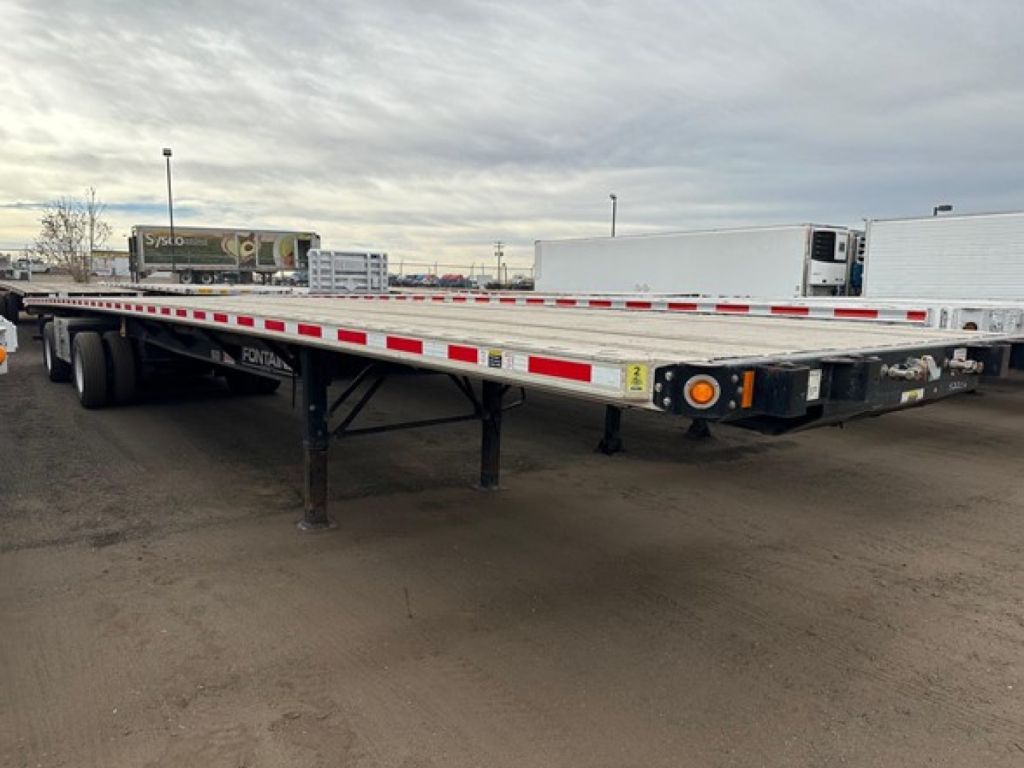
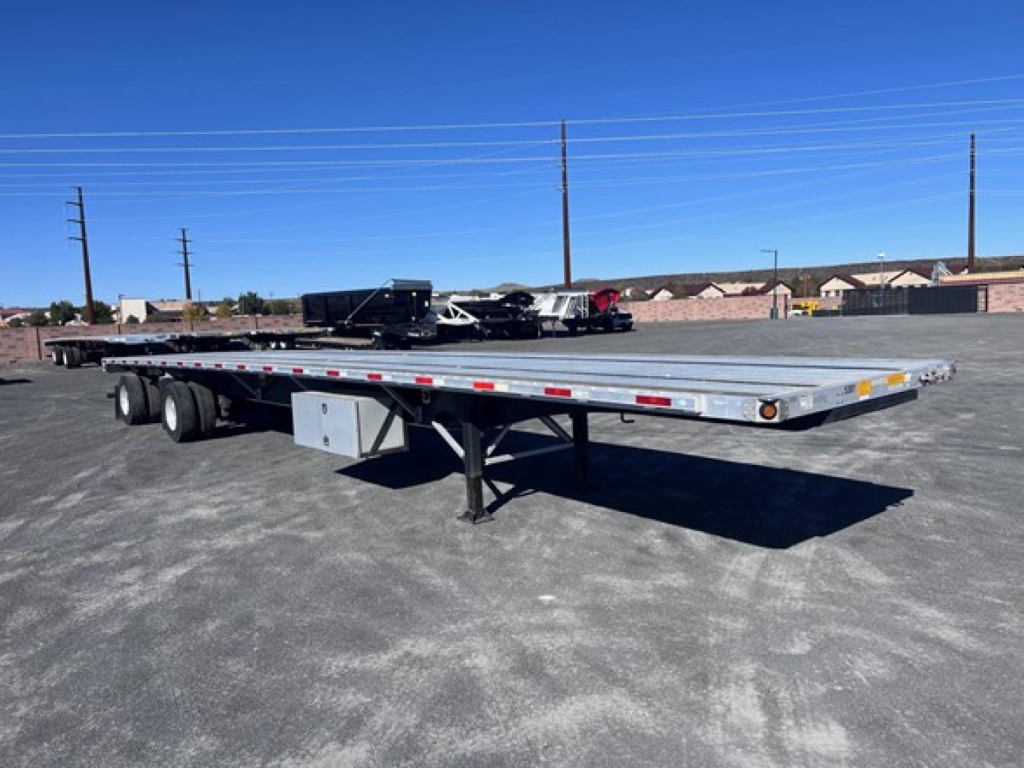
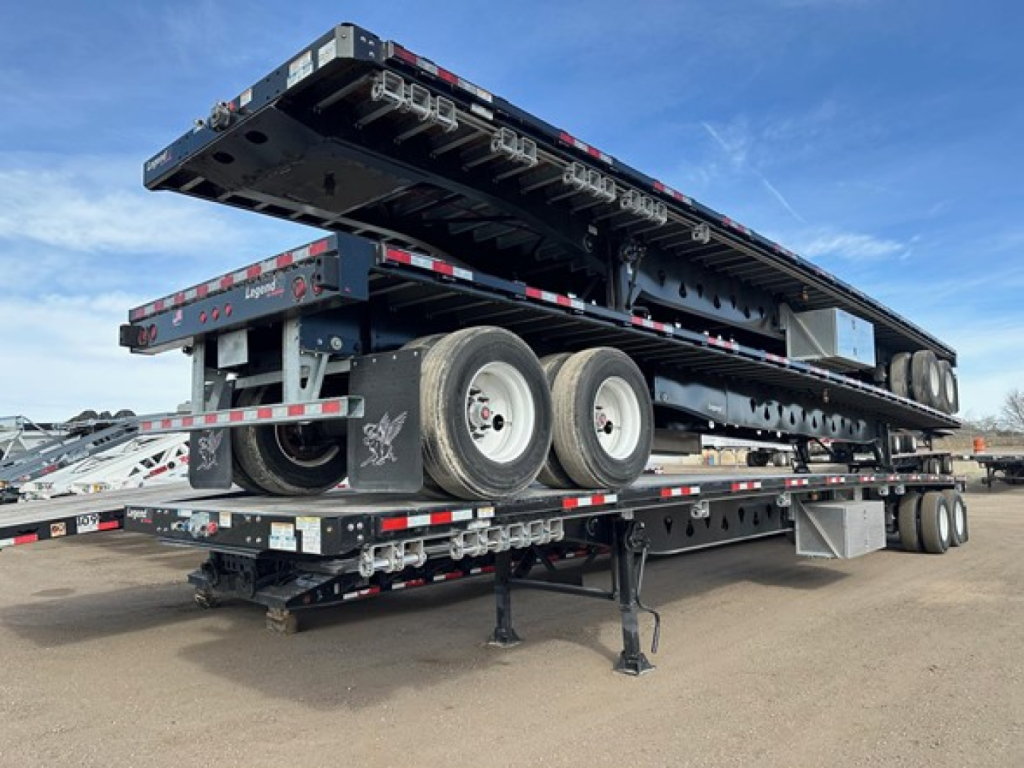
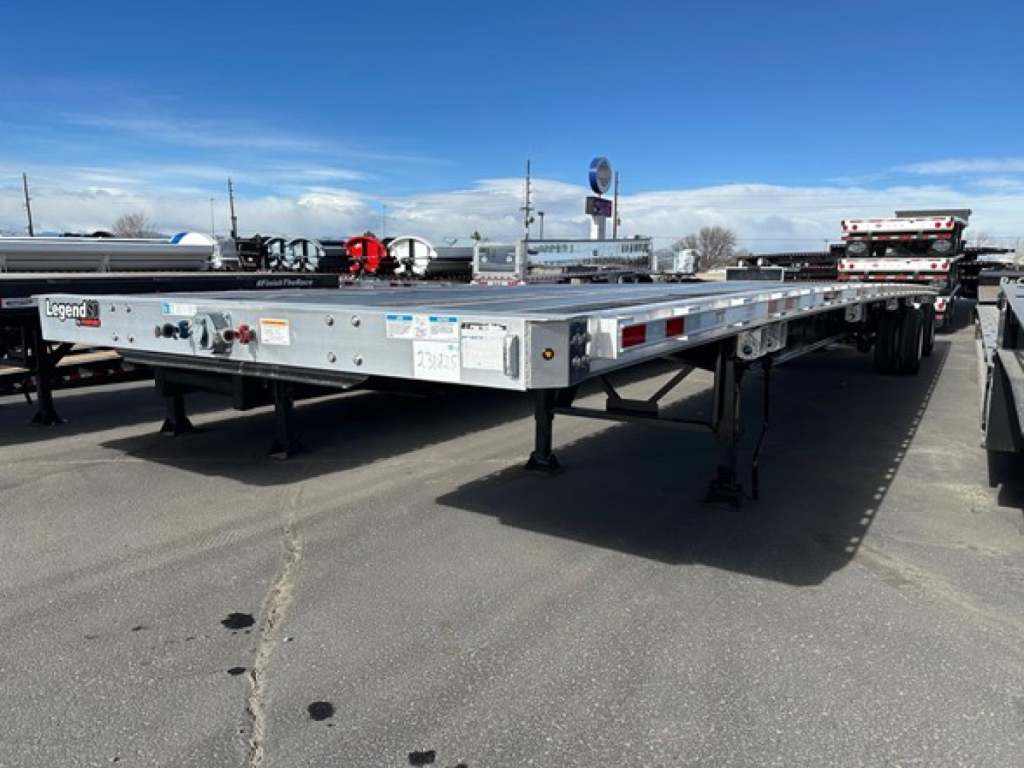
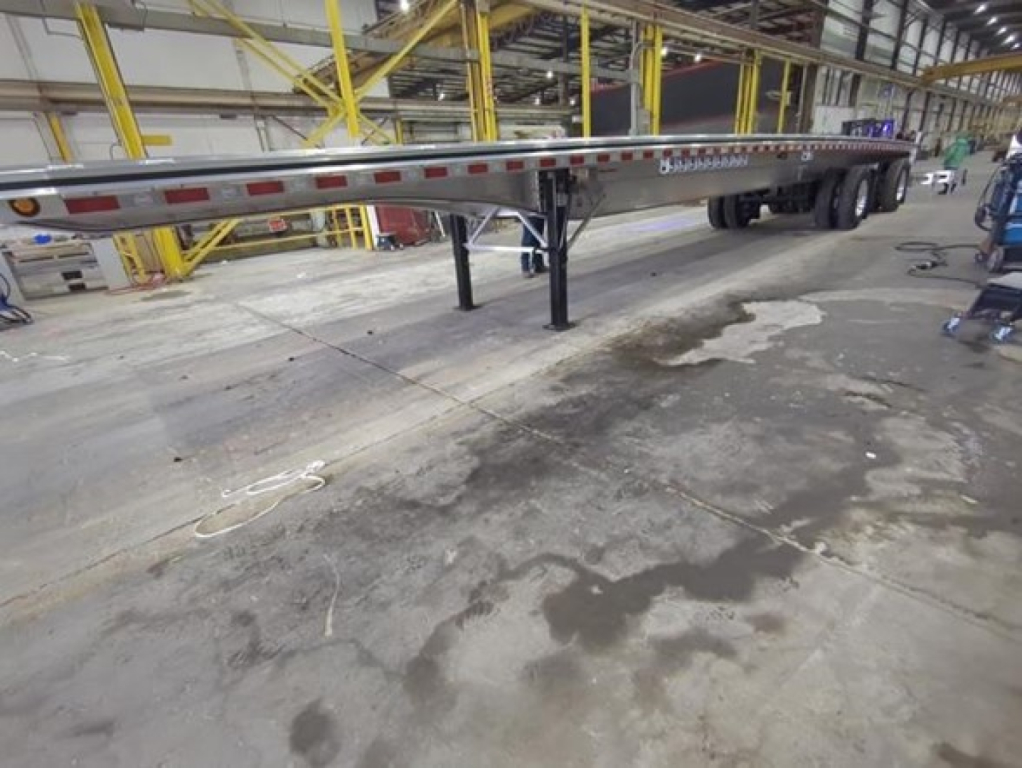
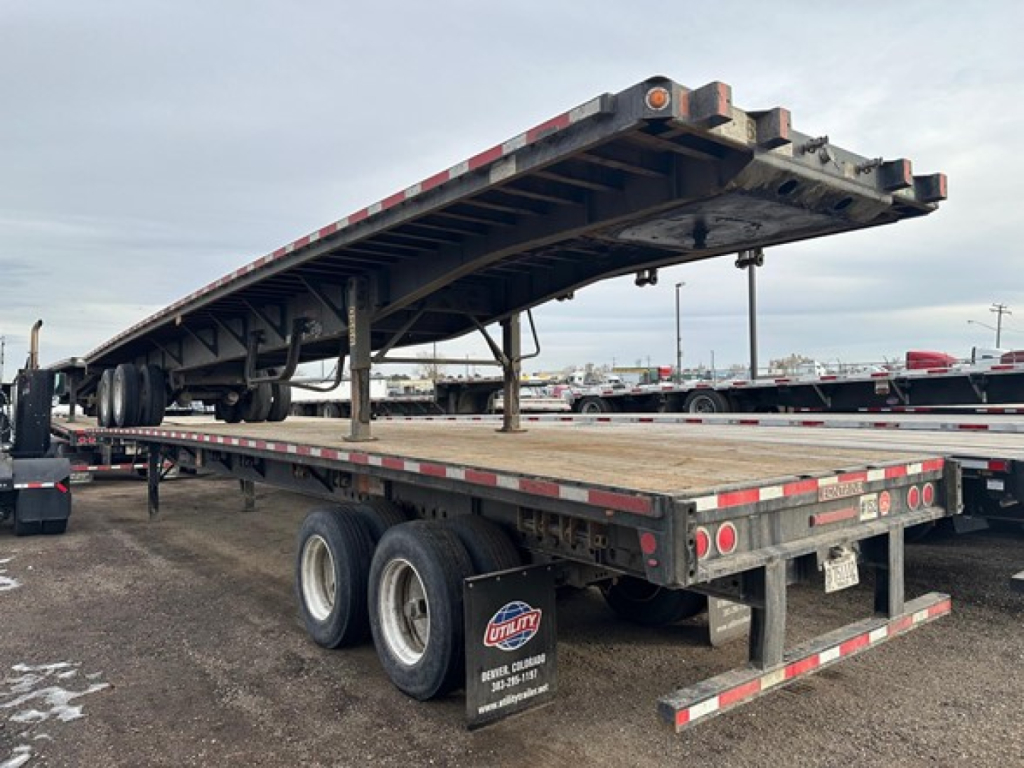
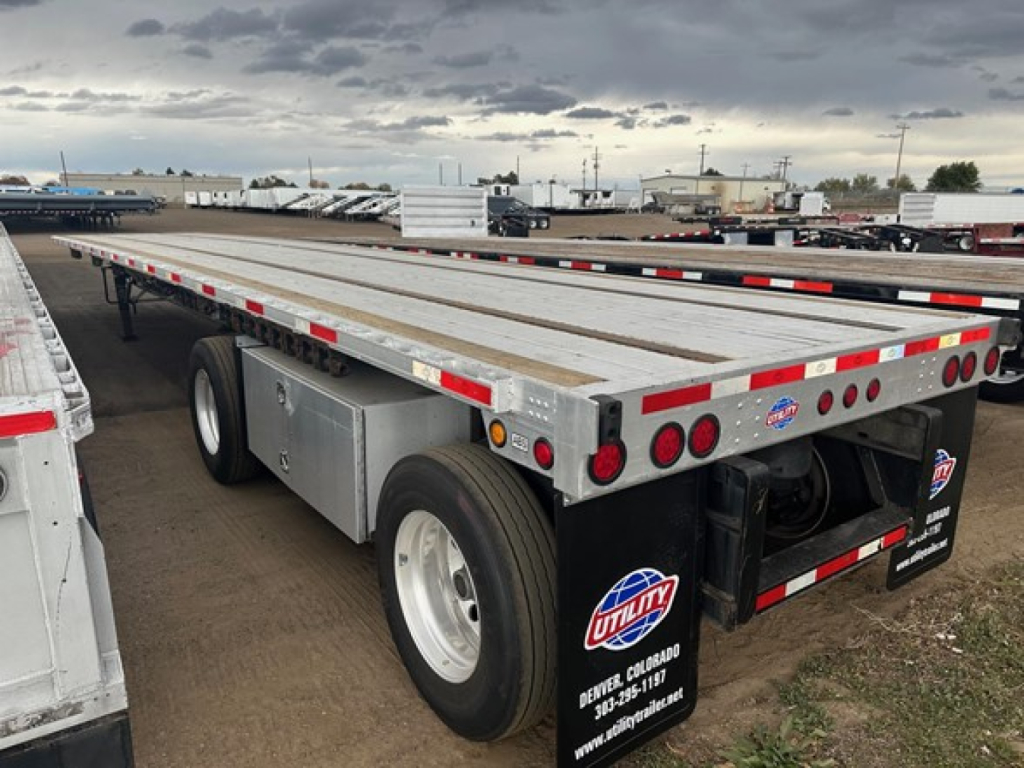
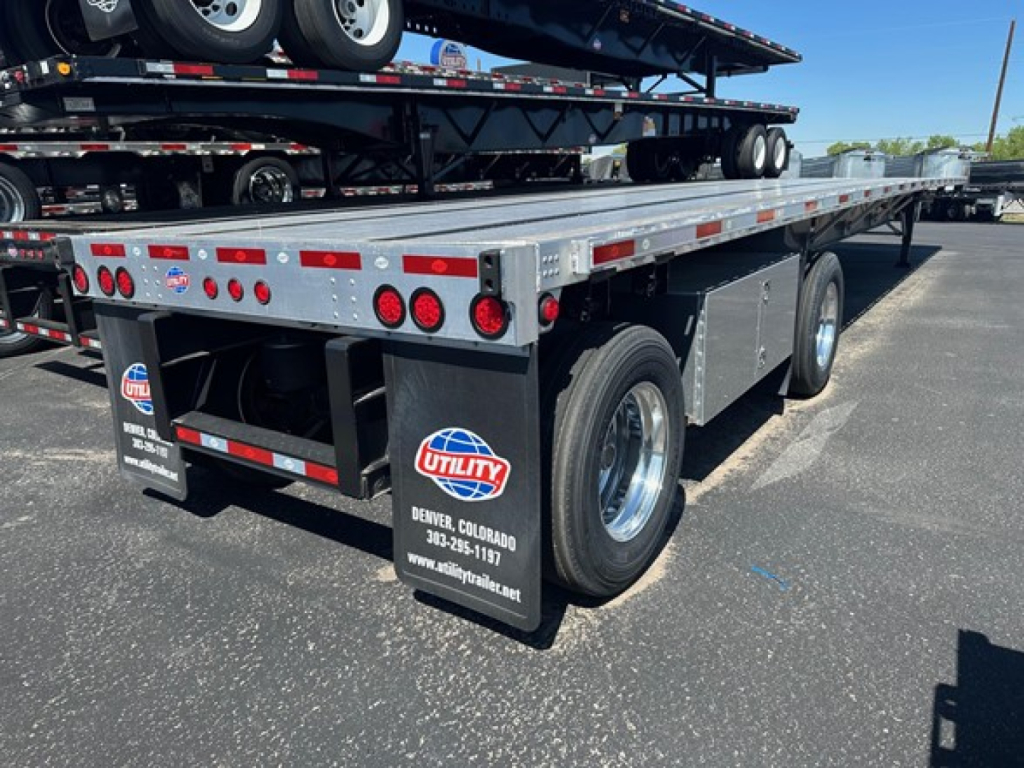
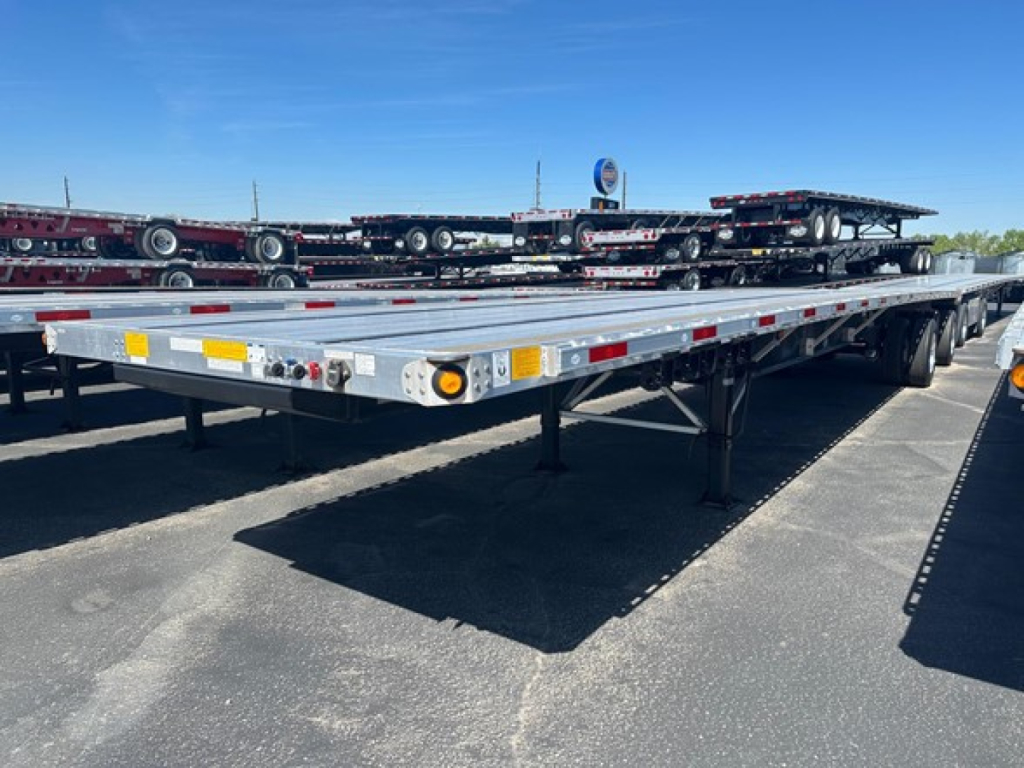
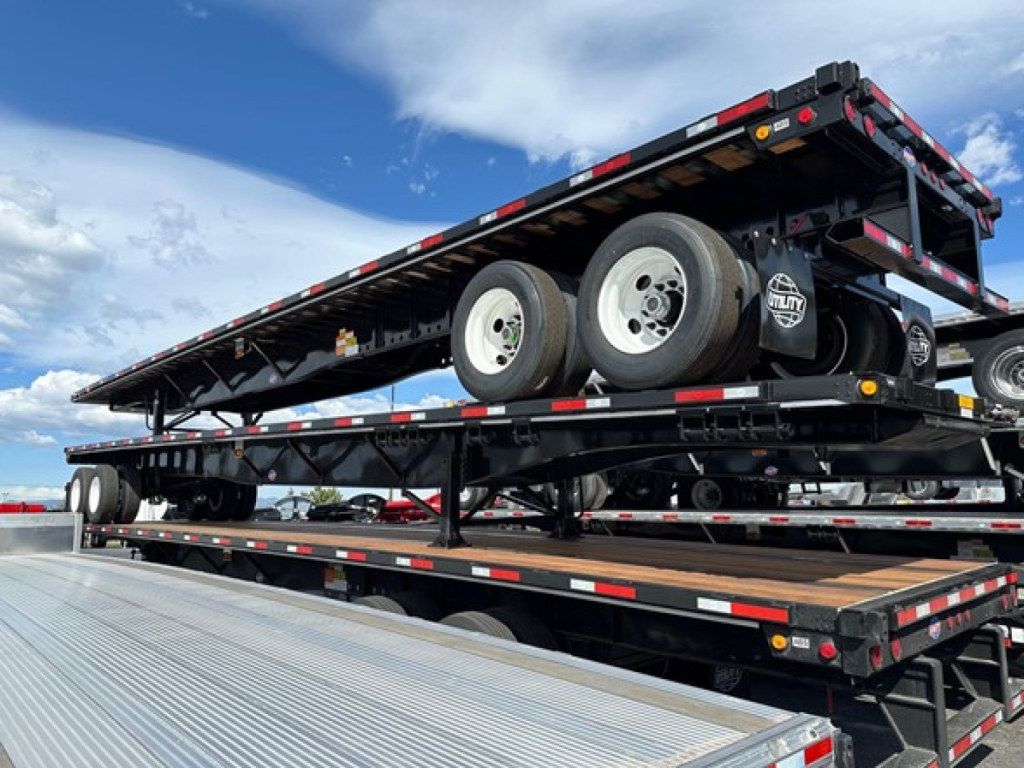
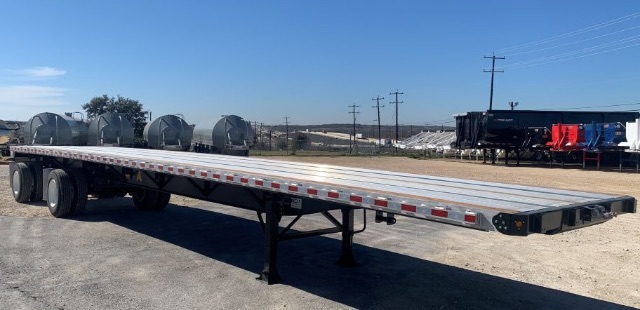
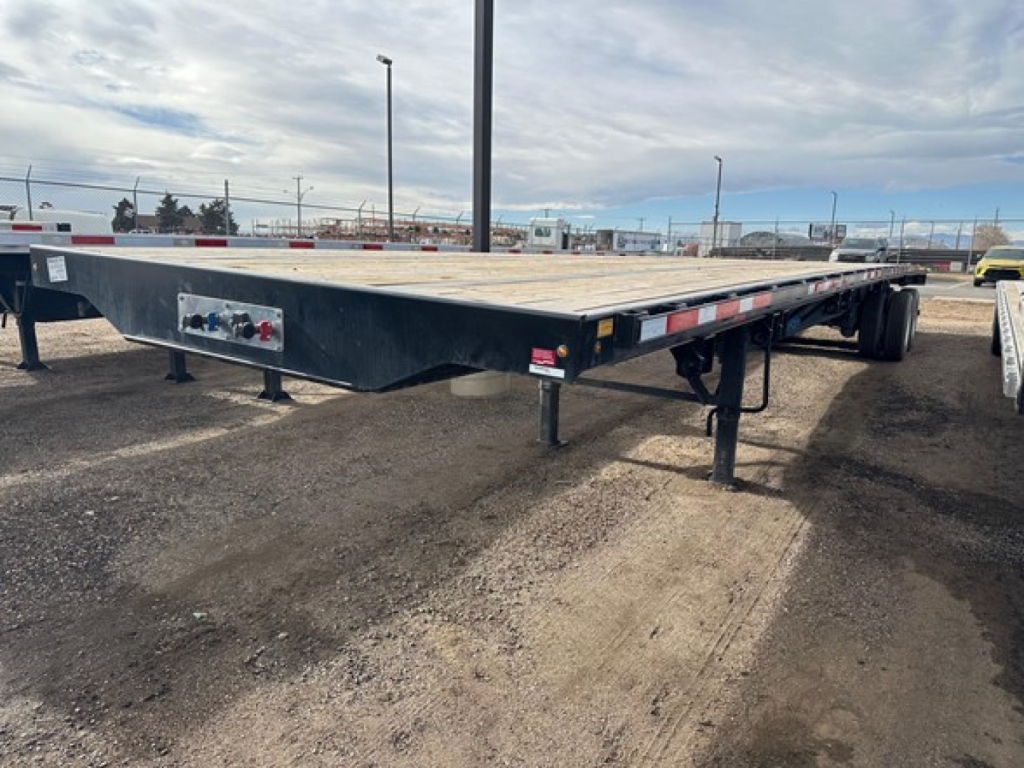
Showing 37 to 48 of 55 results
Have flatbed trailer to sell? List it here to reach thousands of buyers.
About Flatbed Trailers in Colorado
The most common platform is 102 inches wide with tandem axles, stake pockets, pipe spools, sliding winches, and a full winch track. Deck material is a major wear and application decision. Apitong wood remains popular for forklift loading, repairability, and traction, while aluminum flooring helps reduce tare weight and can improve payload. Combo flatbeds, typically built with steel main beams and aluminum crossmembers, deck, or rails, are common when weight savings matters but the trailer still needs the durability of a steel backbone. All-steel flatbeds tend to appeal to fleets hauling dense freight and operating in tougher loading environments where long-term structural durability is a priority.
Axle and suspension setup affects both versatility and compliance. Sliding tandems and air pin sliders give you room to adjust bridge spacing and kingpin-to-rear axle dimensions for changing loads and state requirements. Fixed spread configurations can improve weight distribution and are often chosen for specific lanes or load profiles, but they are less flexible than a slider. Air ride suspension is generally preferred for better cargo protection and ride quality, especially on higher-value freight, while spring suspension still has a place on simpler, lower-cost trailers. Buyers should also look closely at tire size, wheel type, crossmember spacing, landing gear condition, lighting, ICC bumper integrity, and deck wear around common forklift zones.
Tie-down equipment often tells you how ready a flatbed is for real work. Nail strips, stake pockets, pipe spools, coil package setups, and sliding winches on one or both sides make a big difference in day-to-day load securement. A coil package is especially important if steel coils are part of the freight mix, while double pipe spools and side winch tracks add flexibility for construction and steel-hauling applications. For Colorado buyers, corrosion condition, frame straightness, suspension wear, and brake health deserve extra attention because elevation changes and year-round use can expose weaknesses quickly. A well-spec'd flatbed trailer should match the freight first, then the route, then the payload target.
Frequently Asked Questions
What length flatbed trailer is most common, 48 feet or 53 feet?
Both are common, but they serve slightly different needs. A 48-foot flatbed remains a strong choice for regional hauling, steel, machinery, and construction freight where maneuverability and simpler bridge compliance matter. A 53-foot flatbed gives more deck space for lighter or longer freight and is often favored when maximizing load flexibility is more important than compact length. The right choice depends on the freight profile, legal weight distribution, and the lanes the trailer will run.
What is the difference between a steel flatbed and a combo flatbed trailer?
A steel flatbed is built primarily for durability and is often preferred in harsh loading environments or dense commodity work. A combo flatbed usually uses steel main beams with aluminum components such as crossmembers, rails, or deck sections to reduce tare weight. That lower empty weight can improve payload capacity, which matters on freight where every pound counts. Buyers usually weigh durability, repair cost, and payload goals when choosing between the two.
Is air ride suspension better than spring suspension on a flatbed trailer?
Air ride is the more versatile choice for many operations because it improves ride quality and helps protect cargo from shock and vibration. It is especially common on flatbeds hauling machinery, packaged freight, steel products, and other loads that benefit from a smoother ride. Spring suspension is simpler and can be lower cost to maintain, but it generally does not offer the same ride quality. The best suspension depends on cargo sensitivity, maintenance preferences, and budget.
Why do sliding tandems matter on a flatbed trailer?
Sliding tandems let the operator adjust axle position to help balance the load and meet bridge law requirements. That flexibility is useful when hauling different commodities with changing weight centers, especially across multiple states. An air pin slider makes those adjustments faster and easier than a manual setup. A fixed spread axle can work well for certain dedicated applications, but a sliding tandem is usually the more adaptable setup for general freight.
What tie-down features should I look for on a flatbed trailer?
Stake pockets, pipe spools, sliding winches, winch tracks, nail strips, and a coil package are among the most useful flatbed features. These components expand the trailer's securement options and make it easier to handle a wider range of freight safely. A coil package is important if the trailer may haul steel coils, while winch tracks on both sides can improve loading flexibility. Buyers should also inspect deck condition and rub rail integrity because securement hardware is only as useful as the structure supporting it.