
Mac Flatbed Trailers For Sale in Colorado
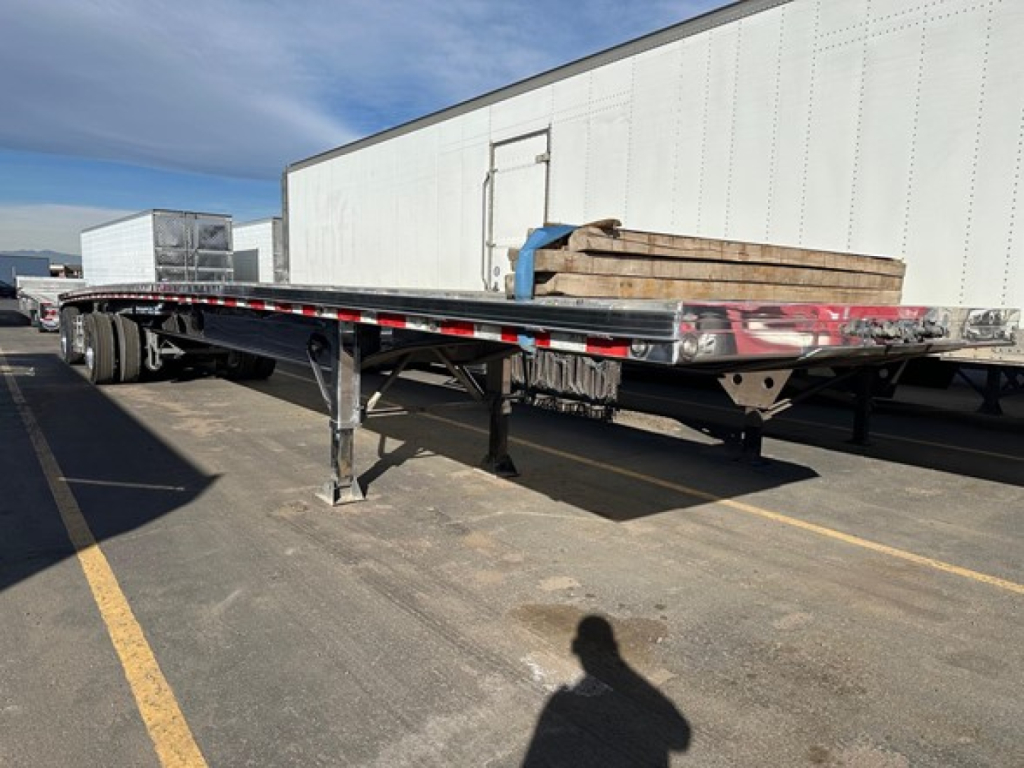
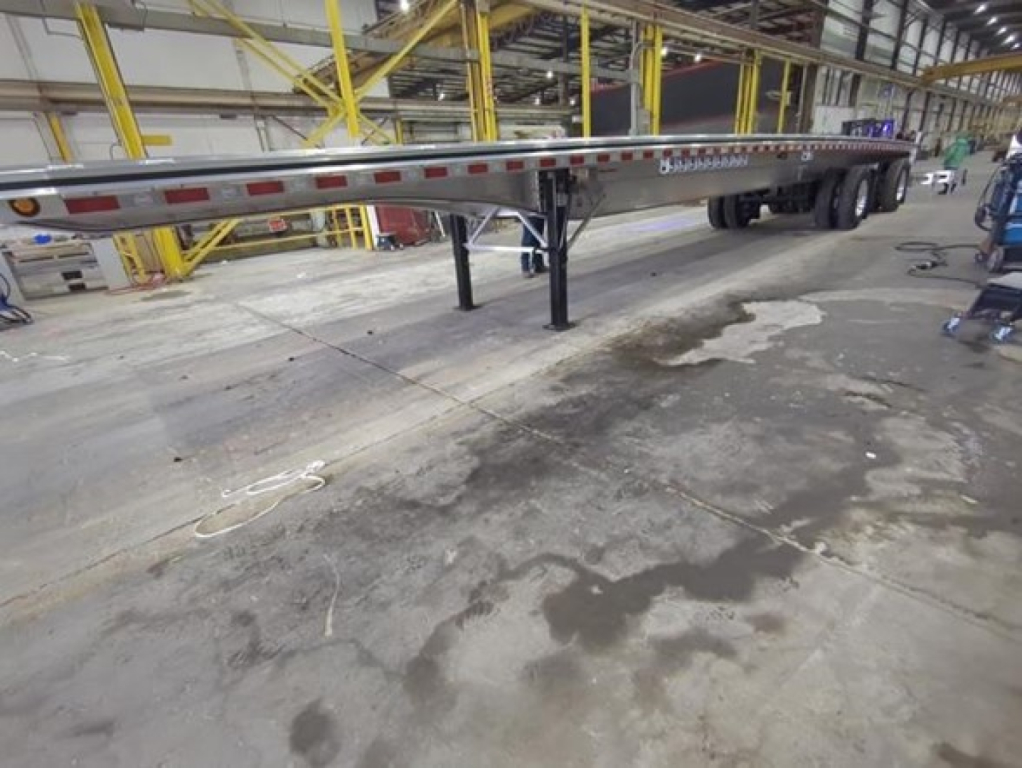
Shop Mac flatbed trailers with all-aluminum construction, spread axles, coil packages, and securement features for steel, lumber, and general freight.
Learn more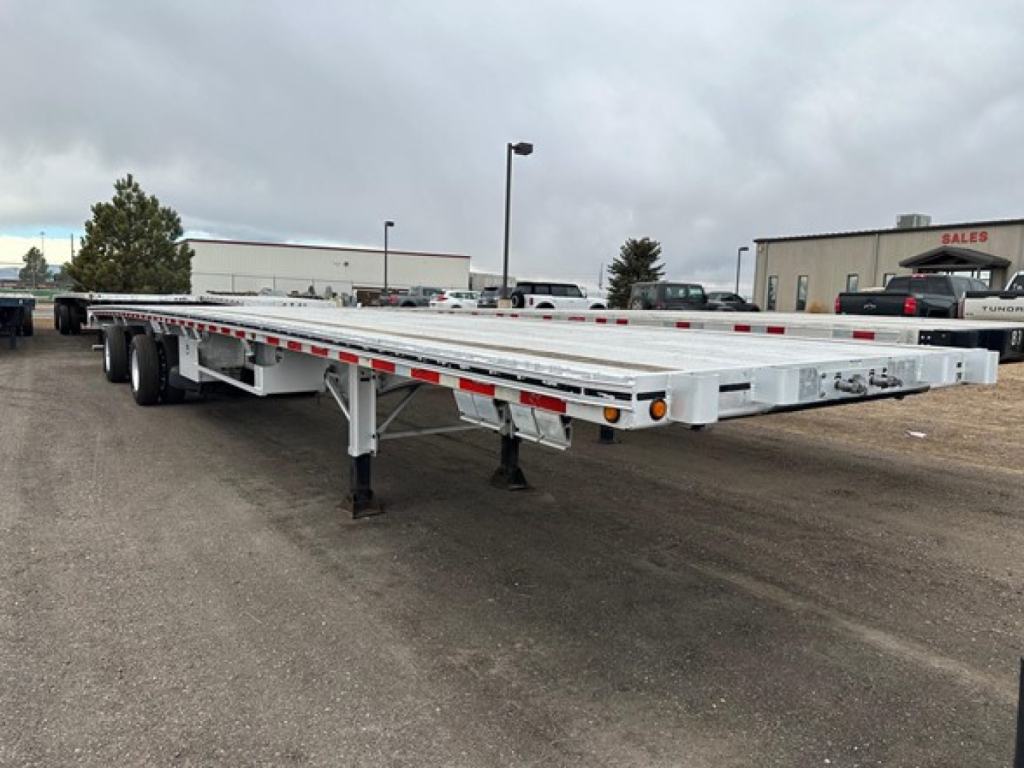
Have mac flatbed trailer to sell? List it here to reach thousands of buyers.
About Mac Flatbed Trailers in Colorado
A typical Mac flatbed spec includes aluminum main beams, aluminum crossmembers, aluminum rails, and a hardwood or aluminum deck depending on the build. Securement equipment is usually where one trailer stands apart from another. Stake pockets, sliding winches, pipe spools, nail strips, and coil packages are common on this category. Buyers hauling steel, building materials, machinery, or palletized freight should pay close attention to winch track layout, the number and spacing of stake pockets, and whether the trailer has a formed coil well or full coil package. Tool boxes, dunnage racks, and rear underride protection details also matter for day-to-day utility.
Mac flatbeds are also popular because they can be ordered or found with practical running gear options instead of just cosmetic upgrades. Spread air ride suspensions are common, and some trailers add a front lift axle or tire inflation system to reduce tire wear and improve efficiency when running light. Wheel and tire package choices can affect both maintenance cost and legal height, especially when comparing low-profile 22.5 tires with standard 11R22.5 rubber. If California legality, bridge laws, or state-specific axle rules are part of the operation, axle spacing and overall trailer dimensions should be verified closely before purchase.
For a buyer comparing used and newer Mac flatbed trailers, the key questions are structural condition, repair history, and how well the securement package matches the freight mix. Check deck condition, rail wear, crossmember repairs, landing gear integrity, suspension components, and signs of overstress around the kingpin area and rear frame. A polished all-aluminum trailer may present well, but long-term value comes from straight structure, clean weld quality, and a spec that fits the lane. Mac flatbeds, also known as open-deck trailers or flatbed semitrailers, are best suited for freight that loads from the side, top, or rear and needs flexible tie-down points across the full deck.
Frequently Asked Questions
What are the main advantages of a Mac flatbed trailer?
Mac flatbed trailers are widely chosen for their aluminum construction, which helps reduce tare weight while maintaining strong payload capability. Lower empty weight can improve revenue on weight-sensitive freight such as steel, lumber, and building products. Mac trailers are also commonly spec'd with practical freight securement features like stake pockets, sliding winches, pipe spools, and coil packages, which makes them adaptable to a broad range of open-deck applications.
What length and axle configuration is most common on a Mac flatbed?
The most common Mac flatbed configurations are 48-foot and 53-foot trailers with 102-inch overall width. Many are built with tandem spread axles and air ride suspension, although exact axle spacing varies by intended use and state regulations. A 48-foot spread axle flatbed is often preferred for general freight flexibility and compliance, while a 53-foot flatbed can offer more deck space where legal operation and freight requirements allow it.
Are Mac flatbed trailers good for hauling steel coils and heavy concentrated loads?
They can be, provided the trailer has the proper coil package and structural rating for the application. A coil package typically includes reinforced floor structure and securement accommodations for concentrated weight. Buyers hauling steel should confirm the presence of the coil package, inspect the deck and crossmembers for prior stress or repairs, and verify that securement points, winch setup, and axle layout match the load profile they plan to run.
What should I inspect on a used Mac flatbed trailer?
Start with the frame, main beams, crossmembers, and kingpin area for cracks, repairs, corrosion, or signs of overloading. Then inspect the deck surface, nail strips, side rails, winch tracks, stake pockets, suspension, brakes, wheels, and tires. On aluminum flatbeds, pay particular attention to weld quality and any impact damage or distortion near the rear frame and landing gear mounts. Cosmetic polish is secondary to straight structure, documented maintenance, and a securement package that fits your freight.
Why do some Mac flatbeds have a lift axle or tire inflation system?
A lift axle can reduce tire scrub and rolling resistance when the trailer is running empty or lightly loaded, which may lower operating cost over time. A tire inflation system helps maintain proper tire pressure across the axle set, supporting better tire life, fuel economy, and roadside reliability. These options are especially useful in operations with frequent empty miles, variable load weights, or long regional and over-the-road duty cycles.