
Dorsey Flatbed Trailers For Sale in Colorado
Shop Dorsey flatbed trailers for hauling steel, lumber, machinery, and general freight with durable specs, securement options, and payload-focused designs.
Learn more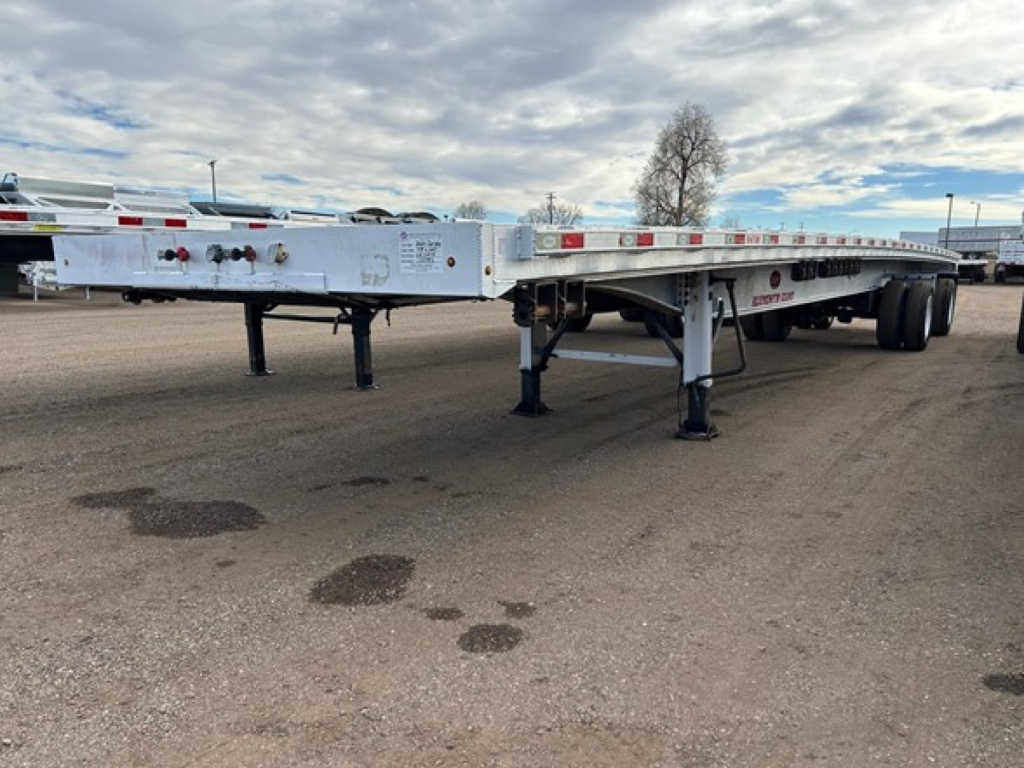
Have dorsey flatbed trailer to sell? List it here to reach thousands of buyers.
About Dorsey Flatbed Trailers in Colorado
The first decision is usually deck and frame spec. Many Dorsey flatbeds use aluminum main beams, aluminum side rails, and aluminum decking to keep weight down and improve corrosion resistance, which is especially relevant for operators running through snow, de-icing chemicals, and variable elevation in Colorado. Buyers should still look closely at crossmember spacing, deck condition, and any signs of concentrated load wear if the trailer has been used for steel, coils, or equipment. Stake pockets, sliding winches, pipe spools, rub rails, and coil package setups are common features that expand securement options and make the trailer more versatile across different shippers.
Suspension and axle layout also affect long-term value. Fixed spread tandem or spread axle air ride configurations are common on flatbeds like these, and they can offer a good balance of ride quality, load stability, and compliance depending on lane and bridge law requirements. Wheel-end condition, brake type, tire life, and alignment history all matter, especially on trailers that see mountain grades and uneven secondary roads. Aluminum wheels are common and help trim weight, but buyers should inspect them for damage from curbing or heavy-duty loading environments.
A used Dorsey flatbed should be evaluated with the freight mix in mind. If the trailer will haul coils, confirm the coil package is correctly configured and check the deck structure around the bunks or load concentration areas. If it will be used for lumber, palletized freight, or mixed building products, focus on deck wear, winch track condition, and the overall quality of the securement points. Dorsey remains a recognized name in the flatbed market, and the right spec comes down to balancing tare weight, deck strength, suspension setup, and securement hardware for the lanes you run most.
Frequently Asked Questions
What are the most common specs on a Dorsey flatbed trailer?
Many Dorsey flatbed trailers are 48 feet long and 102 inches wide, with aluminum construction used to reduce tare weight and resist corrosion. Common equipment includes stake pockets, rub rails, sliding winches, pipe spools, air ride suspension, and fixed spread axle layouts. Some units also include a coil package for hauling concentrated steel coil loads.
Is an aluminum Dorsey flatbed a good choice for payload-sensitive freight?
Yes. Aluminum flatbeds are often selected when payload capacity is a priority because they typically weigh less than comparable steel designs. That lower empty weight can help operators maximize legal cargo weight, but buyers still need to verify that the frame, crossmembers, and deck are suitable for the type of freight they plan to haul, especially if concentrated loads are involved.
What should I inspect on a used Dorsey flatbed trailer?
Start with the main beams, crossmembers, deck surface, and side rails, then move to the suspension, brakes, tires, and wheel ends. Check the rub rail, stake pockets, winch track, and sliding winches for wear or damage because those areas take constant abuse during loading and securement. If the trailer has hauled steel or machinery, inspect closely for deck gouging, bent components, and signs of repeated point loading.
Why does a coil package matter on a flatbed trailer?
A coil package is important if the trailer will haul steel coils because it is designed to better accommodate concentrated load placement and securement. A proper coil setup helps position the load correctly and reduces the risk of deck or structural damage from freight that carries a lot of weight in a small footprint. If coil hauling is part of the operation, this feature is worth confirming before purchase.
How does axle configuration affect a flatbed trailer's performance?
Axle configuration influences ride quality, weight distribution, bridge law compliance, and maneuverability. Fixed spread axle air ride setups are common on flatbeds because they can provide stable load handling and a smooth ride for freight, but they may also affect turning characteristics and tire wear if the trailer is used heavily in tight urban areas. The best configuration depends on the states you run, the type of loads you carry, and the balance between highway stability and maneuverability.