
Wabash Flatbed Trailers For Sale in Colorado
Browse Wabash flatbed trailers with specs that matter, including deck length, air ride, winches, slider tandems, and steel construction.
Learn more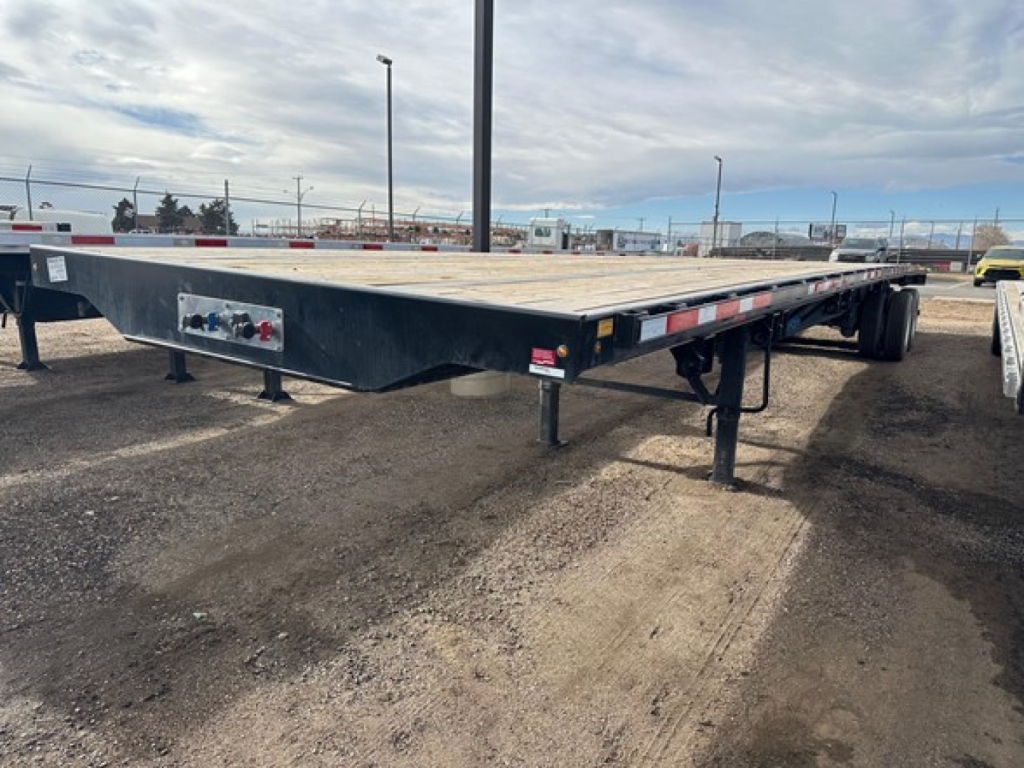
Have wabash flatbed trailer to sell? List it here to reach thousands of buyers.
About Wabash Flatbed Trailers in Colorado
One of the first decisions is suspension and tandem setup. Air ride is common on late-model Wabash flatbeds because it improves ride quality for sensitive freight and helps reduce cargo shock on rougher secondary roads. A sliding tandem, often with an air pin release, adds flexibility for bridge-law compliance and axle weight distribution. On Colorado lanes, where grades, weather, and mixed-state routing all matter, that adjustability can make a real difference in keeping a load legal and easier to position.
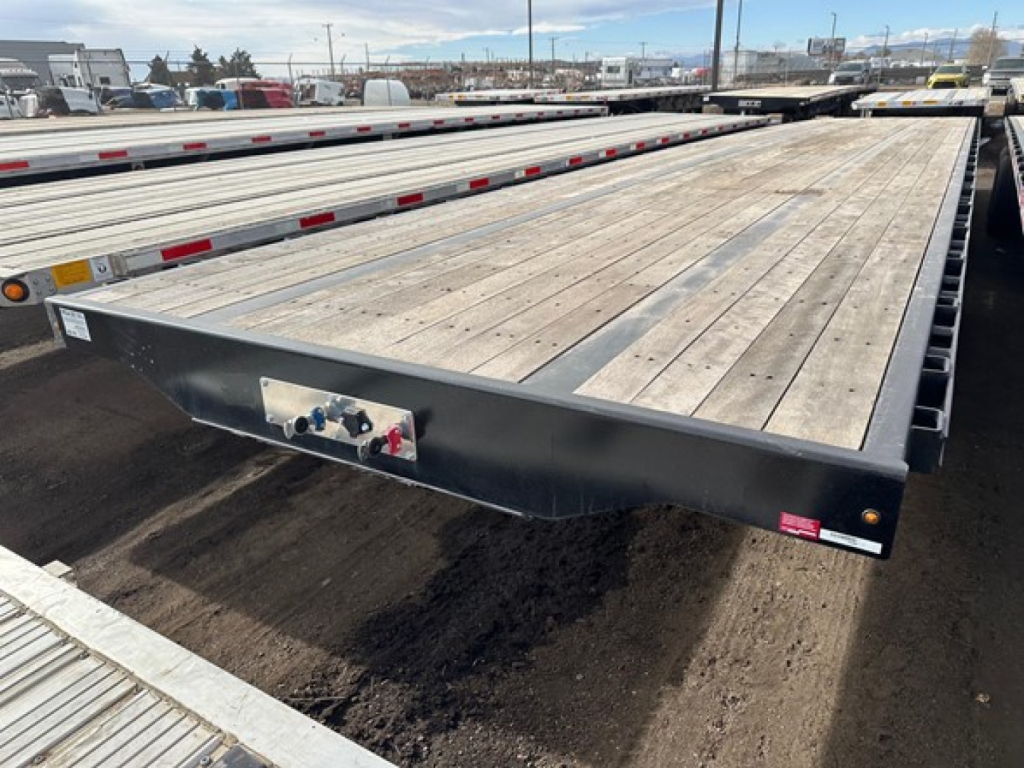
Construction details matter more on a flatbed than many buyers expect. Steel flatbeds are valued for durability and repairability, especially in demanding vocational use or frequent loading cycles. Apitong decking remains a preferred choice because it handles abrasion well and provides dependable traction. Buyers should also look closely at crossmember condition, deck wear, rub rail integrity, winch track condition, and any signs of frame damage or corrosion. Tire size, wheel type, brake condition, lighting, and ICC bumper condition all affect operating cost and downtime just as much as headline specs.
For most fleets and owner-operators, a Wabash flatbed is a practical general freight trailer that fits a wide range of customers without the added weight or complexity of more specialized platforms. If the work includes forklifts loading from the side, pipe loads needing spool support, or building products secured with chains and straps, this trailer class covers the basics well. The best unit depends on freight profile, securement style, axle spread requirements, and how much priority you place on low maintenance, load versatility, and deck life.
Frequently Asked Questions
What are the most common specs on a Wabash flatbed trailer?
The most common configuration is a 48-foot by 102-inch flatbed with steel main beams, a wood deck such as apitong, tandem axles, stake pockets, and a rub rail with sliding winches. Many late-model units also use air ride suspension and a sliding tandem with air pin release. These specs suit general freight, pipe, steel, machinery, and construction materials because they give the trailer strong load support and flexible cargo securement options.
Is an air ride Wabash flatbed worth it?
Air ride is often worth the added complexity if the trailer handles mixed freight, higher-value cargo, or loads that can shift or bounce on rough roads. It generally provides a smoother ride than spring suspension and can help reduce vibration-related cargo issues. For fleets running Colorado and regional western lanes, air ride can be especially useful because pavement conditions, elevation changes, and seasonal weather can all affect load stability and ride quality.
Why is apitong flooring preferred on flatbed trailers?
Apitong is widely used because it stands up well to forklift traffic, abrasion, and repeated loading cycles. It also offers good traction and tends to hold fasteners well when maintained properly. On a used flatbed, the deck should still be inspected for cracked boards, soft spots, edge damage, and signs of excessive wear, but apitong remains one of the more durable and accepted deck materials in flatbed service.
What should I inspect first on a used Wabash flatbed?
Start with the frame, main beams, crossmembers, suspension, brakes, and tandem slider components because those systems determine structural integrity and operating reliability. After that, inspect the wood deck, rub rails, stake pockets, winch track, landing gear, tires, wheels, and all lighting. Uneven tire wear, damaged securement points, or a slider that does not move cleanly can indicate higher near-term repair costs even if the trailer looks good at first glance.
What freight is a Wabash flatbed trailer best suited for?
This trailer class is best suited for freight that can be loaded from the side, top, or rear and secured with straps, chains, binders, and edge protection. Common examples include steel products, pipe, lumber, palletized building materials, machinery, and other oversized or irregular freight that does not require enclosure. The open-deck design makes loading efficient, but it also means the operator needs strong securement practices and a trailer spec that matches the cargo profile.