
Felling Flatbed Trailers For Sale in Colorado
Shop Felling flatbed trailers for sale in Colorado. Compare deck lengths, GVWR, hitch styles, ramps, axle setups, and deck construction.
Learn more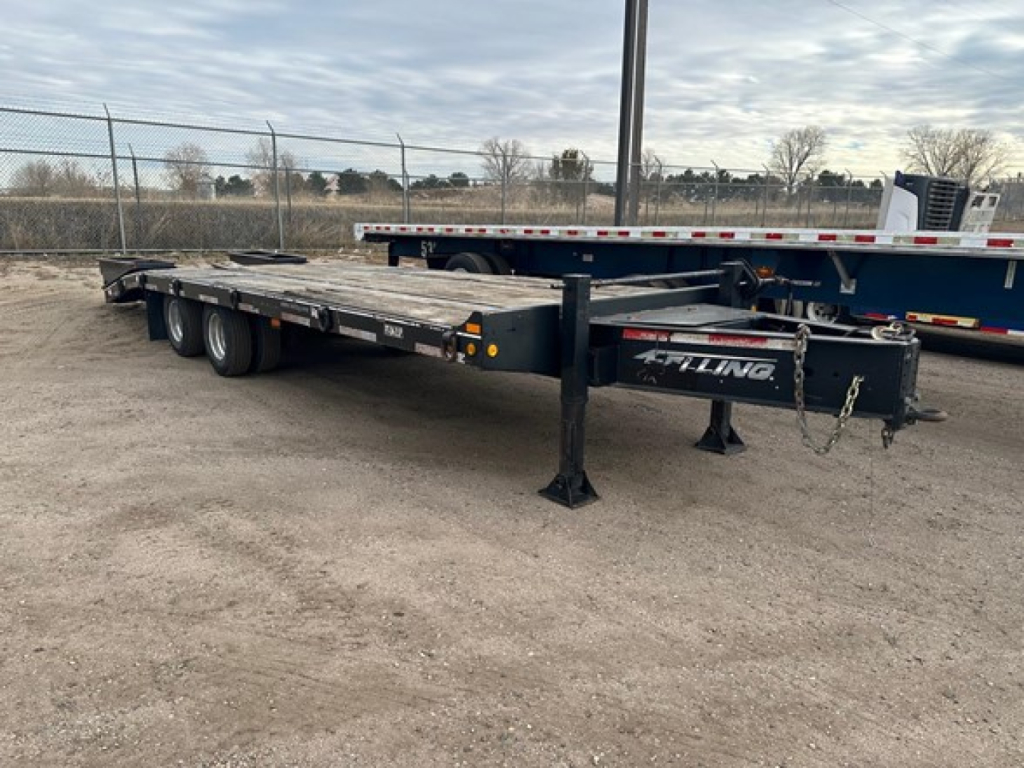
Have felling flatbed trailer to sell? List it here to reach thousands of buyers.
About Felling Flatbed Trailers in Colorado
A buyer comparing Felling flatbed trailers should pay attention to hitch type, deck profile, and axle placement. Pintle hitch setups are common for contractors and municipal fleets because they hold up well in rough service and uneven terrain. Low-profile deck designs can make loading easier for skid steers, small excavators, scissor lifts, and other wheeled or tracked equipment. Tandem axles with spring ride suspension are common in this category, and they offer a simple, proven setup that is easy to service. Features like beavertails, flip-over ramps, stake pockets, rub rails, and integrated tie-down points matter because they affect daily loading speed and cargo securement flexibility.
Deck material and structural condition are especially important on a used flatbed trailer. Wood decks are common on Felling trailers because they provide traction, are relatively easy to replace in sections, and handle equipment traffic well. Buyers should inspect crossmembers, main frame rails, ramp hinges, landing areas, and suspension components for signs of fatigue, corrosion, or overloading. Tire condition, brake function, lighting, coupler wear, and axle rating tags should also be verified. If the trailer will spend time on gravel roads, uneven jobsites, or in winter conditions, frame finish, wiring protection, and brake maintenance history can be just as important as overall appearance.
The best Felling flatbed trailer depends on what you haul most often. A shorter tag trailer may be ideal for compact equipment and local contractor use, while a longer deck can add flexibility for materials, attachments, or multiple machines. Buyers in Colorado should also consider load balance on grades, tow vehicle compatibility, and legal weight requirements before choosing a trailer. When the specs match the work, a Felling flatbed trailer can be a durable, easy-to-run platform for contractors, rental fleets, municipalities, and agricultural operators.
Frequently Asked Questions
What are Felling flatbed trailers commonly used for?
Felling flatbed trailers are commonly used for hauling compact construction equipment, building materials, attachments, pallets, and general jobsite cargo. Many buyers use them as equipment trailers for skid steers, mini excavators, scissor lifts, and small tractors, especially when the trailer includes a beavertail and flip ramps. Their simple deck layout also makes them useful for contractor fleets, municipalities, and agricultural operations that need a versatile trailer for mixed-duty transport.
What specs matter most when buying a used Felling flatbed trailer?
The most important specs are GVWR, deck length, usable deck width, axle rating, hitch type, and ramp configuration. Those details determine what the trailer can legally and practically haul. Buyers should also confirm brake type, suspension style, tire size, deck material, and whether the trailer has features like stake pockets, rub rails, or a beavertail. On a used unit, structural condition is just as important as the published specs, so frame rails, crossmembers, coupler components, ramps, and suspension parts should be inspected closely.
Is a pintle hitch Felling flatbed trailer a good choice for jobsite use?
A pintle hitch Felling flatbed trailer is often a strong choice for jobsite use because pintle setups are durable, simple, and well suited for rough ground and frequent hook-and-unhook cycles. They are common in contractor and municipal applications where the trailer may see uneven terrain, gravel roads, or heavier-duty service. The tow vehicle must be properly equipped and matched to the trailer's weight rating, but for many work applications a pintle hitch offers reliable performance and easy serviceability.
Are wood deck Felling flatbed trailers durable enough for equipment hauling?
Wood deck Felling flatbed trailers are widely used for equipment hauling and are durable when the deck is in good condition and properly supported. Wood provides useful traction for tires and tracks, helps reduce slipping during loading, and can be repaired or replaced more easily than some other deck materials. Buyers should inspect the deck boards for rot, cracking, fastener pull-through, and damage around high-load contact points, especially near ramps and axle areas where stress is concentrated.
What should Colorado buyers consider when choosing a flatbed trailer?
Colorado buyers should consider tow vehicle capacity, brake performance, load balance on grades, and how the trailer will handle at elevation and in changing weather. A trailer used in mountain regions or on mixed pavement and gravel routes needs a stable axle setup, dependable brakes, and secure tie-down points. Winter road exposure can also accelerate corrosion and wiring issues, so condition under the trailer matters. Matching trailer size and weight rating to the actual load is especially important for safe operation on steep grades and longer downhill runs.