
Big Tex Flatbed Trailers For Sale
Shop Big Tex flatbed trailers built for equipment hauling, hotshot work, farm use, and general freight with durable decks and secure tie-downs.
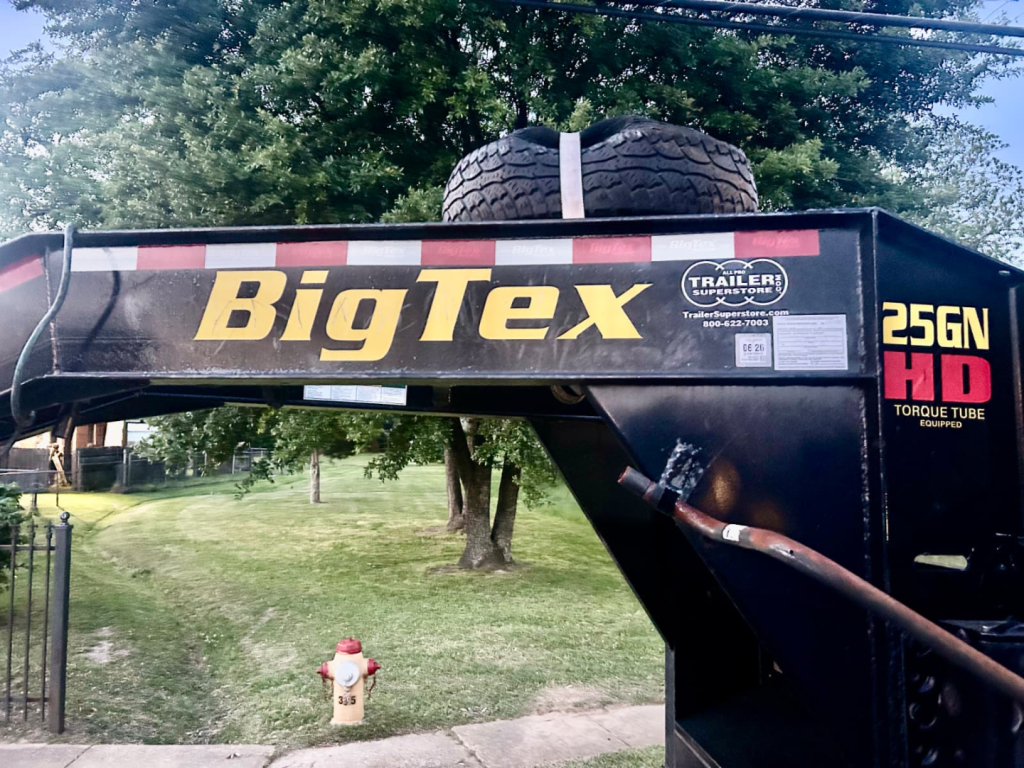
Selling a big tex flatbed trailer? List your big tex flatbed trailer for sale and reach thousands of commercial buyers.
Big Tex Flatbed Trailers
A key decision is matching the trailer layout to the load. Big Tex flatbeds are often configured as low-profile deck-over or pierced-beam designs that help with loading height and stability. Gooseneck models are especially popular for heavier equipment because they improve weight distribution and towing control compared with smaller bumper pull setups. Deck lengths commonly range from shorter utility-oriented platforms up to 35-foot and 40-foot heavy-haul trailers, and axle configurations vary based on intended payload. Buyers hauling skid steers, tractors, mini excavators, attachments, pallets, or pipe should pay close attention to axle rating, brake setup, coupler style, jack capacity, and available deck width between the fenders or across the full deck.
Loading and cargo securement matter as much as raw capacity. Many Big Tex flatbed trailers are equipped with dovetails, stand-up ramps, or Mega Ramps, which can make a major difference when loading wide-tire equipment, low-clearance machines, or vehicles. For freight work, rub rails, stake pockets, chain trays, and spool locations affect how quickly and safely the load can be tied down. Trailer buyers should also inspect deck condition, crossmember spacing, suspension type, tire condition, electric brake operation, and the overall straightness of the frame. On used units, check for uneven tire wear, repaired neck areas, bent ramps, and wear around spring hangers, jack mounts, and coupler components.
For many operations, a Big Tex flatbed trailer sits in the sweet spot between light utility trailers and specialized lowboys. It can handle daily equipment moves, farm and ranch work, jobsite deliveries, and regional hauling without adding unnecessary complexity. The best choice depends on what you load most often, the tow vehicle you already run, and whether you need faster loading, higher payload, or more deck space. A buyer comparing Big Tex flatbed trailers should focus on real working specs such as usable deck length, empty weight, payload capacity, ramp design, and tie-down layout, because those details determine how productive the trailer will be on every trip.
Frequently Asked Questions about Big Tex Flatbed Trailers
What are Big Tex flatbed trailers commonly used for?
Big Tex flatbed trailers are commonly used for hauling construction equipment, compact tractors, skid steers, vehicles, pallets of material, pipe, and general freight. Gooseneck flatbed models are especially popular in equipment transport and hotshot applications because they offer better towing stability and higher capacity than many bumper pull trailers. They are also widely used in agriculture, landscaping, and rental fleet service.
What should I look for when buying a Big Tex flatbed trailer?
The most important things to check are GVWR, axle ratings, deck length, deck width, coupler type, brake configuration, and ramp setup. After that, look closely at the tie-down system, including stake pockets, rub rails, and chain spools, because securement layout affects day-to-day usability. On a used trailer, inspect the frame for bends or repairs, check deck wear, confirm brake and light operation, and look for suspension, tire, and jack issues that can add repair cost quickly.
Are Big Tex gooseneck flatbed trailers better for heavy equipment hauling?
For many buyers, yes. A gooseneck flatbed trailer usually provides better weight distribution, improved tracking, and more stable towing under heavier loads. That makes it a strong fit for moving tractors, excavators, loaders, and other dense equipment. The tradeoff is that it requires a properly equipped tow vehicle with a bed-mounted hitch and enough truck capacity to handle the trailer's loaded weight.
What is the advantage of Mega Ramps on a Big Tex flatbed trailer?
Mega Ramps create a wider loading surface than standard stand-up ramps, which helps when loading wide equipment, machinery with uneven wheel spacing, or low-clearance units. They can reduce the chance of slipping off a narrow ramp edge and make loading more forgiving for operators who move different types of equipment. For buyers who regularly haul skid steers, tractors, and compact construction machines, Mega Ramps are often a practical upgrade.
How do I choose the right deck length on a Big Tex flatbed trailer?
Choose deck length based on the actual footprint of your most common loads, not just the occasional oversized load. A longer deck gives more flexibility for attachments, multiple machines, or mixed freight, but it also adds trailer weight and can affect maneuverability. Buyers should measure machine length including buckets, cutters, or implements, then allow enough room for proper tongue or neck balance and legal, safe tie-down placement.