
Used Benson Flatbed Trailers For Sale in Pennsylvania
Used Benson flatbed trailers for sale in Pennsylvania. Lightweight aluminum specs, air ride suspensions, and freight-ready features for general flatbed work.

Have used benson flatbed trailer to sell? List it here to reach thousands of buyers.
Used Benson Flatbed Trailers in Pennsylvania
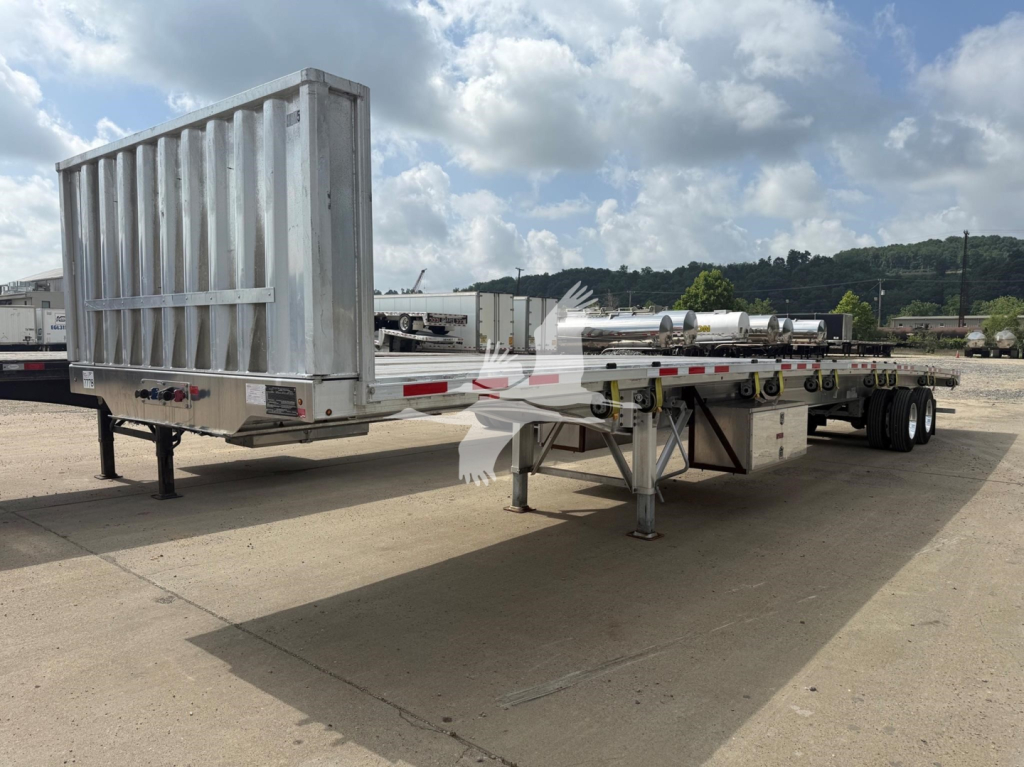
A common spec in this category is an aluminum floor with aluminum side rails and front and rear members, often paired with nailing strips, winch tracks on both sides, sliding winches, and double pipe spools. That combination gives a trailer broad load securement flexibility for coil racks, lumber, crated freight, and mixed LTL deck work. Many used Benson flatbeds also carry air ride suspension, often Hendrickson Intraax setups, low-profile 22.5 tires, aluminum wheels, and a standard 30-inch kingpin setting. Crossmember spacing, landing gear condition, coupler plate wear, and the state of the winch track matter more on a used flatbed than cosmetics alone, especially if the trailer has seen concentrated steel or machinery loads.
Brake and running gear specs deserve close attention. Disc brakes are a strong feature on used Benson flatbeds because they can improve stopping consistency and simplify service access compared with drums. Tire inflation systems, galvanized hangers, and galvanized coupler plates are also valuable on trailers working through wet Northeast conditions, road salt, and frequent dock-to-jobsite cycles. On a Pennsylvania trailer, inspect the suspension area, slider components if equipped, light wiring, rear structure, and the underside around crossmembers and landing gear mounts. Aluminum helps with corrosion resistance, but buyers should still check for deck damage, cracked welds, rub rail wear, and any signs of overload stress.
For most buyers, the right used Benson flatbed comes down to freight profile and maintenance history. A lighter trailer can add revenue on dense freight, but it still needs the securement layout and structural condition to match the work. Look at floor wear, side rail integrity, toolbox condition, brake life, tire percentage, and how the trailer is configured for chains, straps, and edge protection. Benson flatbeds are also known simply as flatbed trailers or open-deck trailers, and they remain a solid choice for carriers that want a lightweight trailer without giving up the basic specs needed for daily regional or long-haul flatbed service.
Frequently Asked Questions about Used Benson Flatbed Trailers in Pennsylvania
What are the most common specs on a used Benson flatbed trailer?
Many used Benson flatbed trailers are 48 feet long, 102 inches wide, tandem axle, and built with aluminum floors and aluminum main components to reduce tare weight. Common equipment includes air ride suspension, winch tracks on both sides, sliding winches, nailing strips, pipe spools, aluminum wheels, and two-speed landing gear. Buyers should verify the exact suspension model, kingpin setting, crossmember spacing, brake type, and tire size because those details affect both compatibility and operating cost.
Why do buyers choose a Benson aluminum flatbed over a heavier steel trailer?
The main advantage is lower empty weight, which can translate into more legal payload on dense freight. Aluminum construction also offers good corrosion resistance, which matters in regions like Pennsylvania where trailers see moisture, road treatment chemicals, and seasonal weather swings. The tradeoff is that a used aluminum flatbed should be inspected carefully for floor wear, rail damage, weld condition, and any signs of concentrated load abuse.
What should I inspect first on a used Benson flatbed trailer?
Start with the structural and running gear items that drive safety and repair cost. Inspect the floor, crossmembers, side rails, rear frame, suspension mounts, landing gear, brakes, tires, wheels, and all lighting. Then check the securement hardware such as winch tracks, sliding winches, pipe spools, rub rail condition, and nailing strips. A clean appearance matters less than service records, brake wear, tire condition, and evidence that the trailer has not been overloaded or poorly repaired.
Are disc brakes a good feature on a used flatbed trailer?
Yes, disc brakes are generally considered a desirable spec on a used flatbed because they can provide strong, consistent braking and often make inspections and service more straightforward. They can be especially useful in regional work with frequent stops or in hilly terrain where brake performance matters. Buyers should still inspect rotor and caliper condition, confirm parts availability, and review maintenance history before making a decision.
Is a used Benson flatbed a good fit for Pennsylvania freight?
For many fleets and owner-operators, yes. A Benson flatbed is well suited for common Pennsylvania freight such as steel, building products, machinery, fabricated materials, and palletized loads that require open-deck access. Features like aluminum construction, air ride suspension, galvanized components, and flexible tie-down setups make these trailers practical for Northeast operating conditions, but local route demands and cargo type should always guide the final spec choice.