
Aldura Flatbed Trailers For Sale
Browse Aldura flatbed trailers built for general freight, machinery, steel, and palletized loads with combo construction and tandem axle specs.
Have aldura flatbed trailer to sell? List it here to reach thousands of buyers.
Aldura Flatbed Trailers
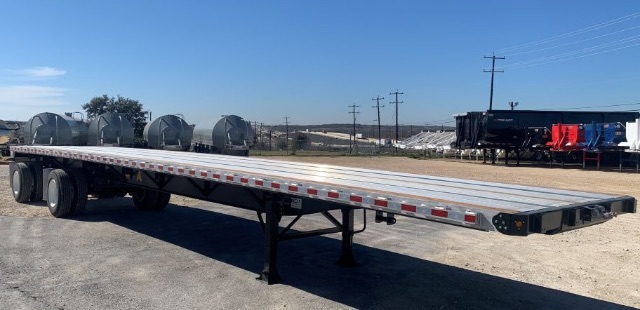
The most important buying decision on an Aldura flatbed is usually construction and deck layout. A combo trailer commonly uses fabricated steel I-beam main beams with aluminum side rails and an aluminum floor, often paired with Apitong nailer boards for load securement flexibility and easier deck maintenance. Common details include 24-inch kingpin settings, 12-inch crossmember spacing, standard winch tracks or installed winches, stake pockets, chain spools, and DOT rear impact protection. These specs matter because they affect securement options, deck life, tare weight, and how well the trailer handles repeated forklift traffic, concentrated loads, and mixed commodity work.
Running gear is straightforward but worth checking closely. Many flatbeds in this class use tandem axles with air ride suspension, 22.5-inch wheels, and ABS braking systems from established suppliers such as Meritor, Holland, and Wabco. Buyers should compare suspension rating, axle capacity, ride height, and loaded deck height because those numbers affect loading dock compatibility, overall center of gravity, and legal bridge compliance. A trailer in the 74,000-pound GVWR range with a tare weight around the low 12,000-pound range is a practical target for operators who want strong payload without moving into heavier all-steel territory.
Aldura flatbeds make the most sense for carriers that need a simple, versatile platform with broad freight compatibility. The right trailer should be judged on frame integrity, floor condition, crossmember spacing, landing gear quality, lighting harness protection, and the condition and placement of winches, pockets, and rub rail components. If the work includes coils, machinery, pipe, or dense building products, pay close attention to concentrated load capability and securement layout. If the freight is more general and load count is high, lighter combo construction and an efficient deck package can improve payload and turnaround time over the life of the trailer.
Frequently Asked Questions about Aldura Flatbed Trailers
What is an Aldura flatbed trailer best suited for?
An Aldura flatbed trailer is best suited for open-deck freight that can be loaded from multiple angles, including palletized products, lumber, steel, equipment, pipe, and construction materials. Flatbeds are used when overhead crane loading, side forklift access, or rear loading is required. They are a strong fit for regional and over-the-road freight that does not need weather protection from a van trailer.
What does combo construction mean on a flatbed trailer?
Combo construction means the trailer uses both steel and aluminum in key structural areas. On many flatbeds, the main beams and high-stress components are steel for strength, while side rails, rear sections, or floor components are aluminum to reduce tare weight. This design helps improve payload potential while still holding up to repeated commercial use.
What specs matter most when comparing Aldura flatbed trailers?
The most important specs are trailer length and width, GVWR, tare weight, axle and suspension ratings, kingpin setting, deck height, floor type, crossmember spacing, and securement hardware. Buyers should also review the number and placement of winches, chain spools, stake pockets, and rub rail design. These details determine how easily the trailer can be loaded, how freight can be secured, and how much usable payload is left after trailer weight is accounted for.
Is an aluminum floor with Apitong nailer boards a good setup for flatbed work?
Yes. An aluminum floor with Apitong nailer boards is a common and practical setup for general flatbed service. The aluminum deck helps keep empty weight down, while the hardwood nailer strips provide a surface for fastening and can help with durability in high-contact areas. This combination is popular because it balances payload, serviceability, and everyday freight versatility.
How do tandem axle flatbeds compare to other configurations?
A tandem axle flatbed is the standard configuration for a large share of 48-foot general freight work because it offers a good mix of legal capacity, low maintenance complexity, and broad compatibility with typical road and dock conditions. Compared with spread axle trailers, tandem axle models are often easier to maneuver in tighter yards and urban deliveries, though exact legal payload and bridge considerations depend on route, tractor setup, and state regulations.