
2018 Flatbed Trailers For Sale
Shop 2018 flatbed trailers with common specs, deck options, axle setups, and tie-down features for steel, lumber, machinery, and building materials.
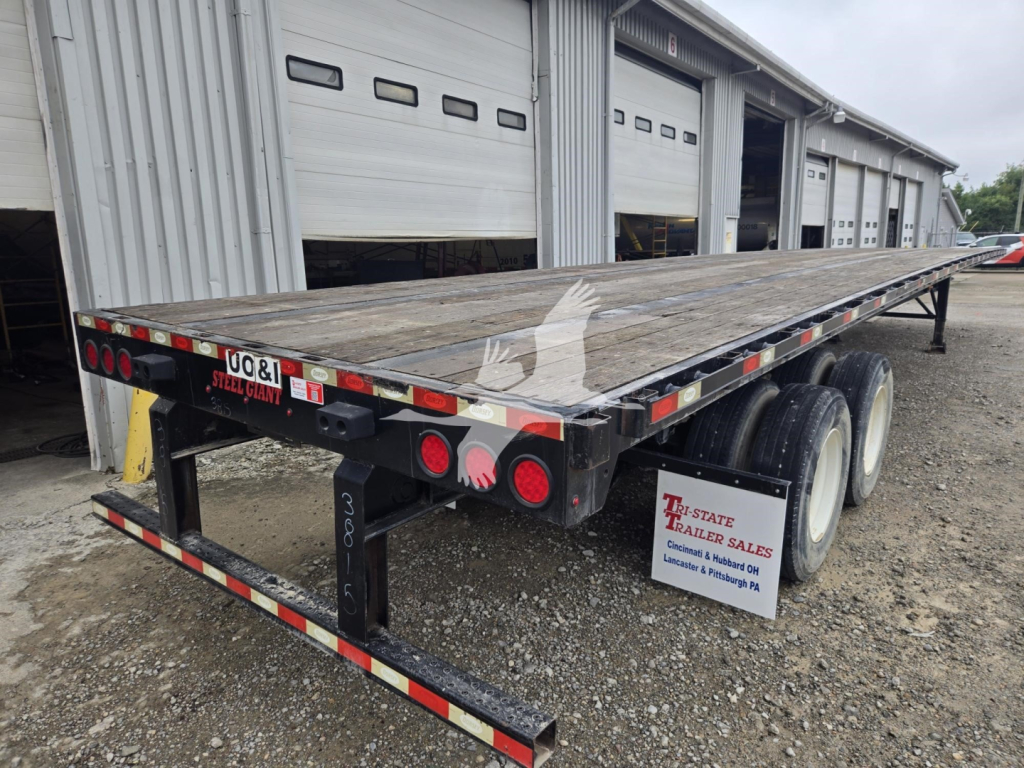
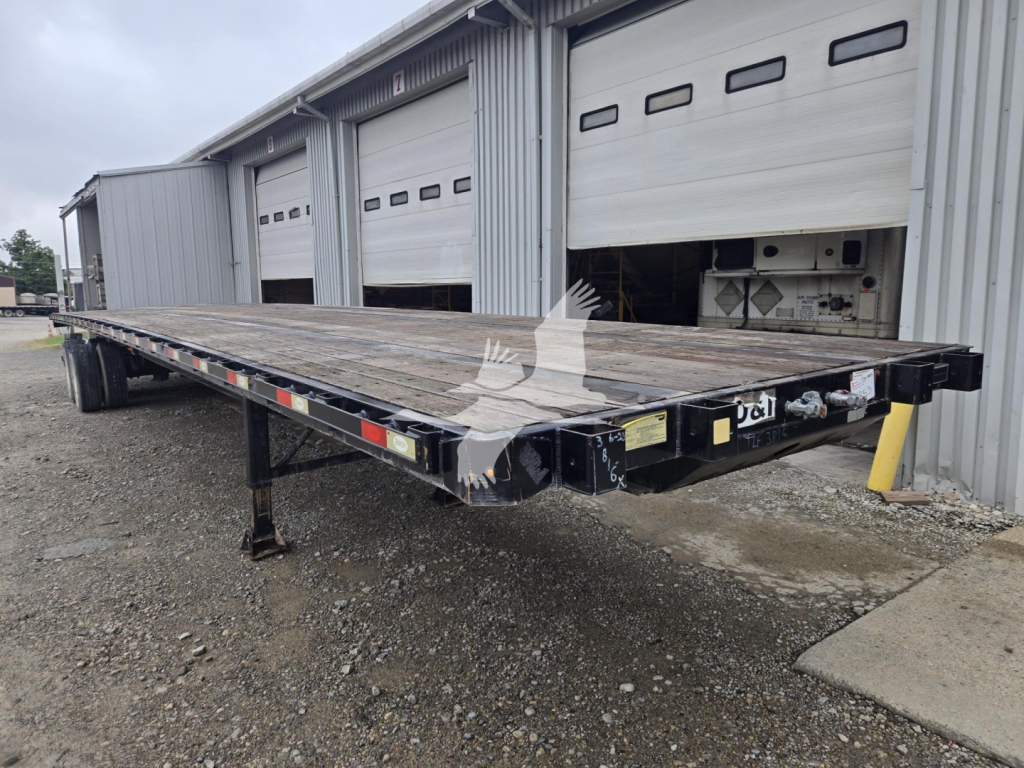
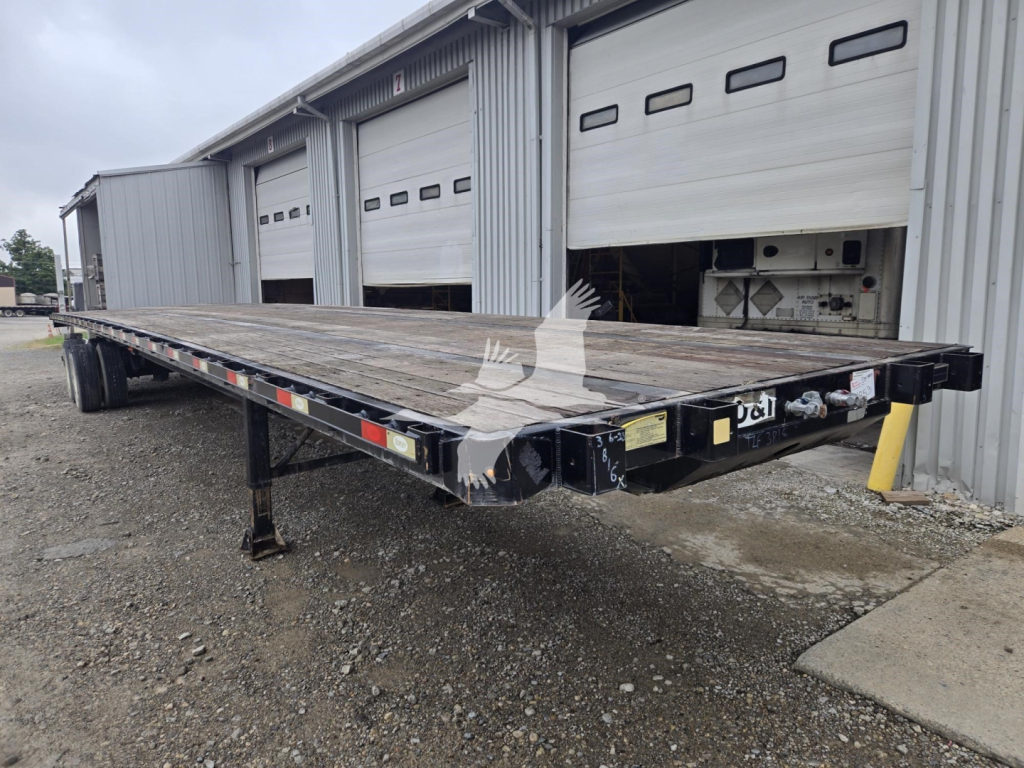
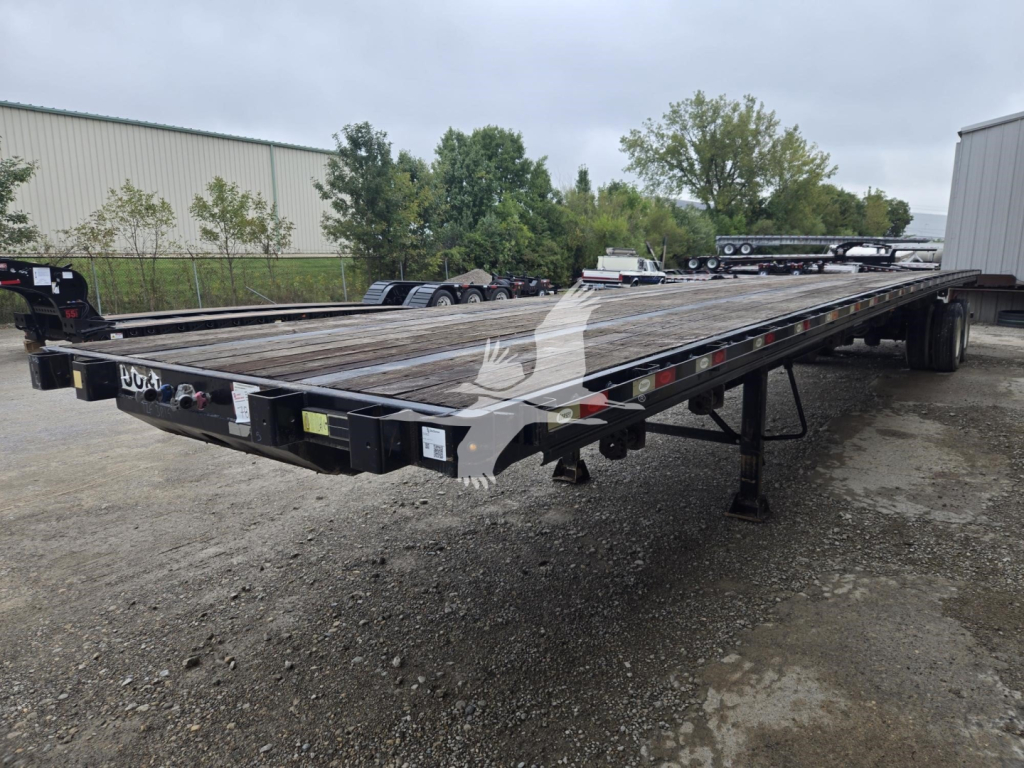
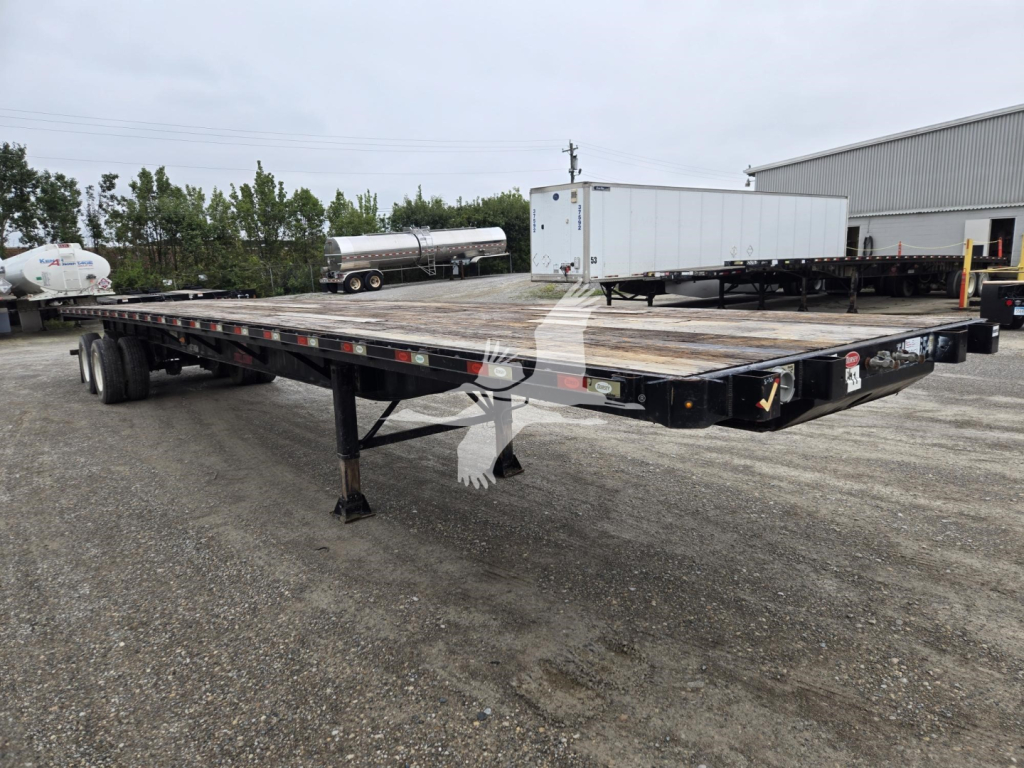
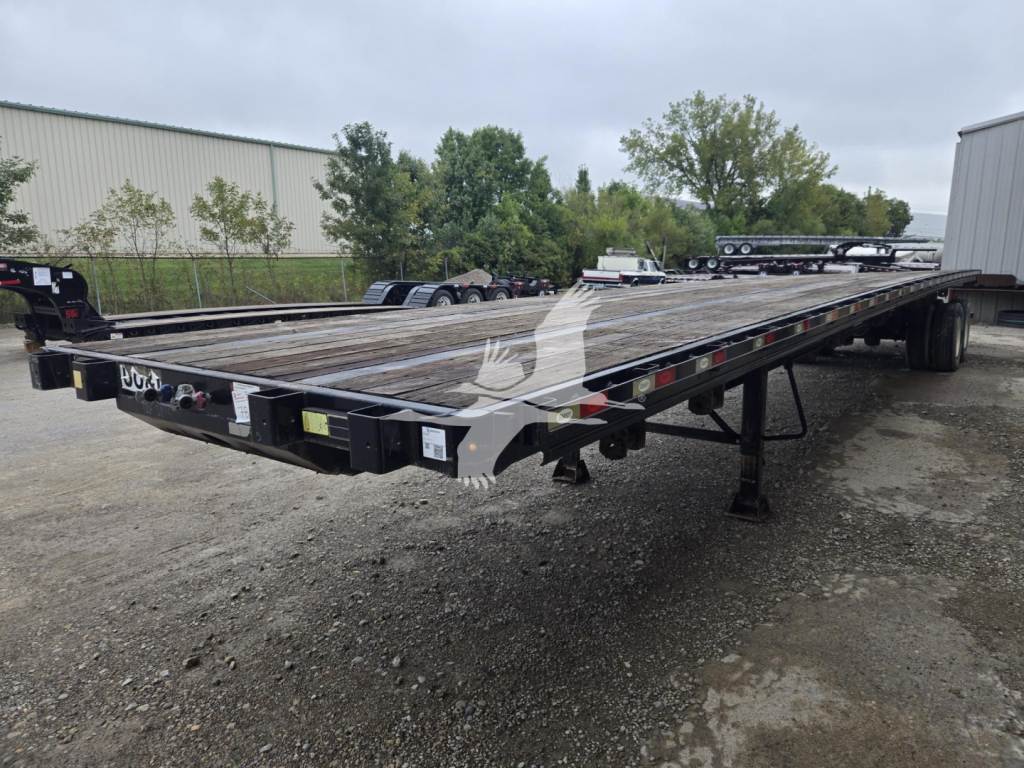
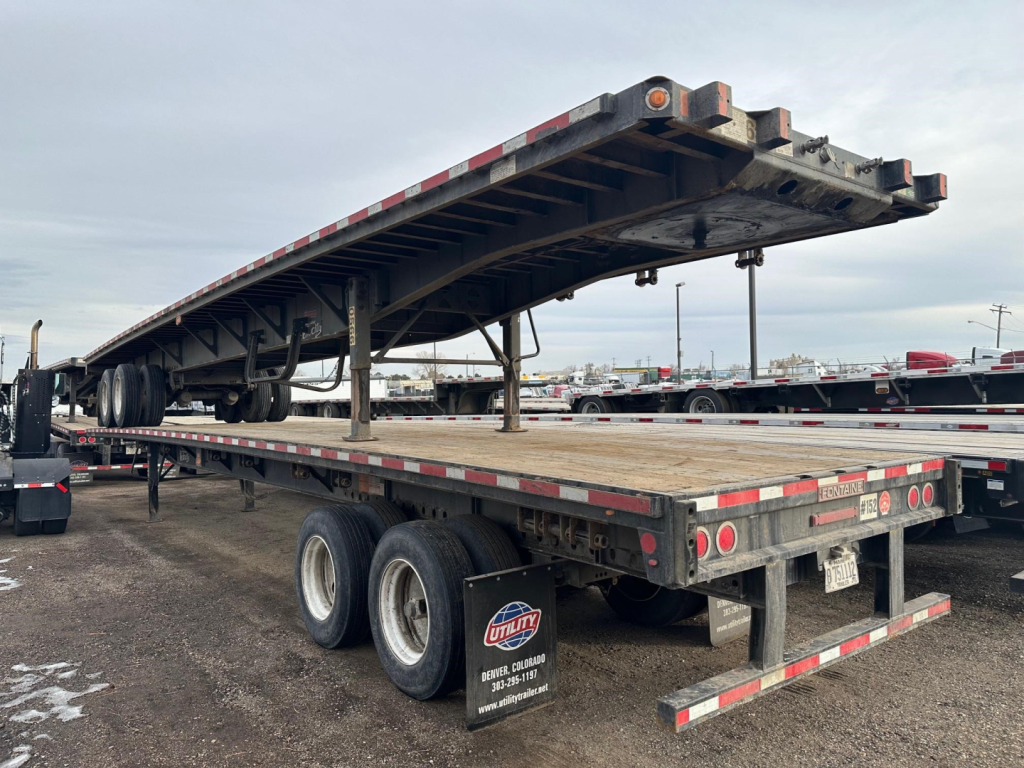

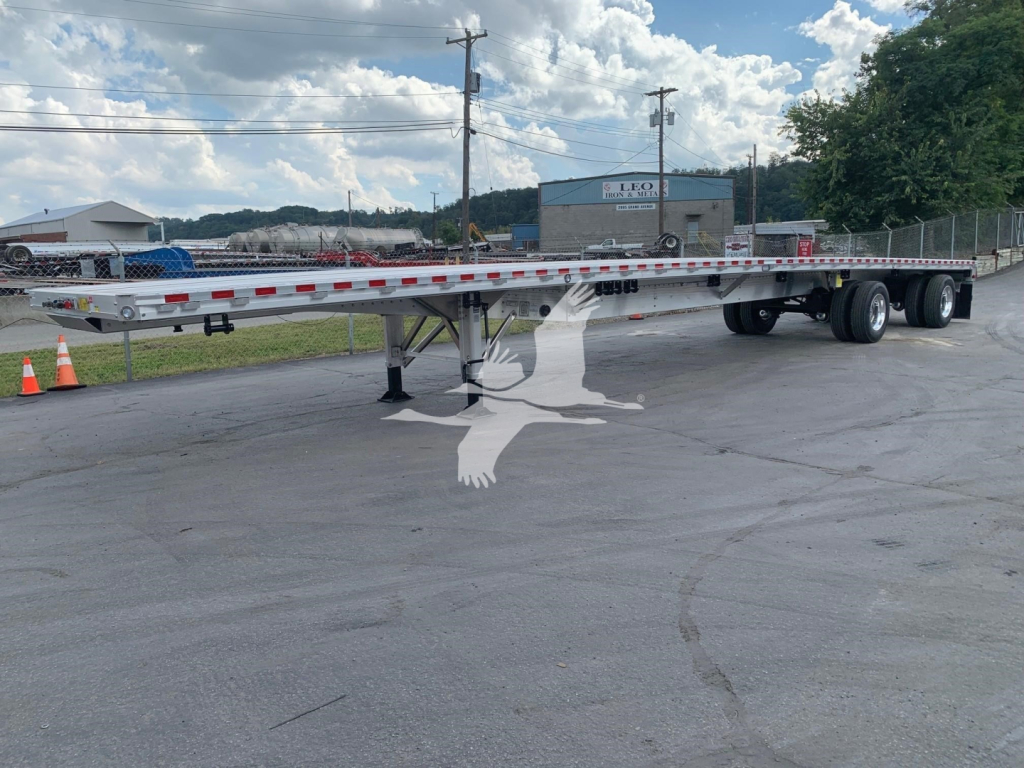
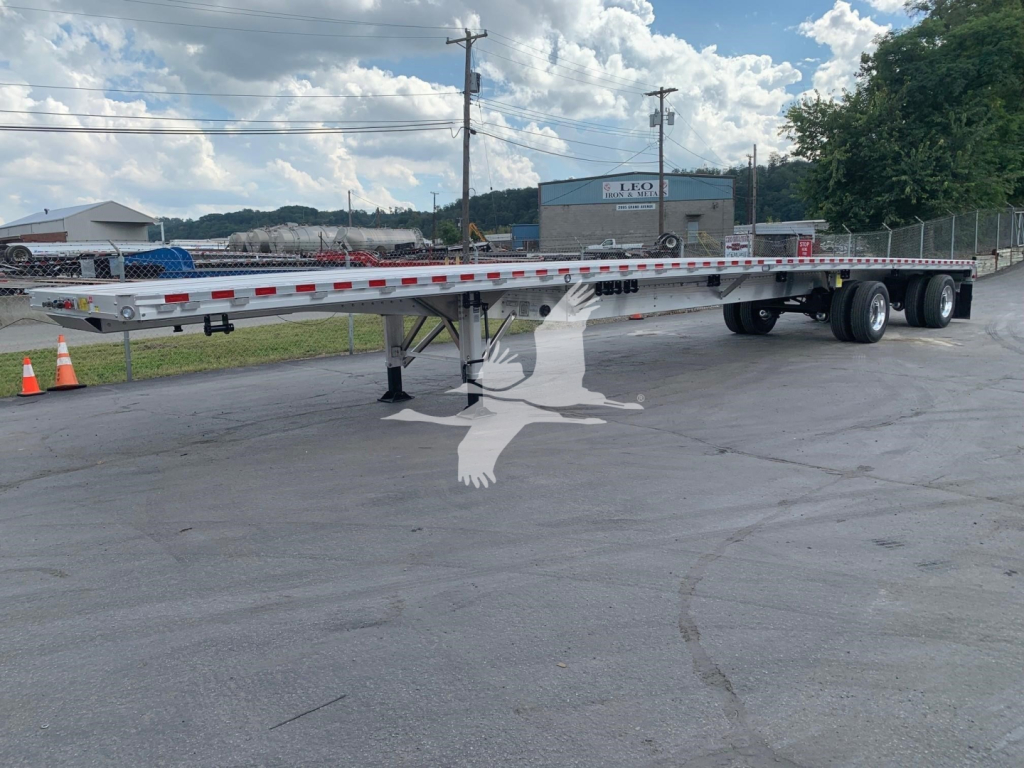
Selling a 2018 flatbed trailer? List your 2018 flatbed trailer for sale and reach thousands of commercial buyers.
2018 Flatbed Trailers
The first buying decision is usually material and weight. Steel flatbeds generally cost less up front and hold up well in rugged use, but they carry more tare weight. Aluminum and combo flatbeds reduce empty weight and increase payload, which matters for dense freight such as steel, building products, coils, and machinery. Deck construction also matters. Apitong remains popular because it wears well under forklifts and concentrated loads, while aluminum floors with nailers can save weight and still provide securement flexibility. Crossmember spacing, beam rating, and concentrated load capacity should be reviewed closely if the trailer will see coils, forklifts, or repeated point loading.
Securement setup separates one flatbed from another. Buyers should look at the number and style of sliding winches, full or partial winch tracks, stake pocket spacing, pipe spool arrangement, rub rail condition, and whether the trailer has a coil package or bulkhead. A mini coil package can add versatility for carriers handling steel products, while a forklift kit or bulkhead may suit dedicated building material or jobsite work. Suspension is another key factor. Spring ride can be simpler and cheaper to maintain, while air ride is often preferred for ride quality and more sensitive freight. Tandem sliders offer flexibility across different state bridge formulas, while spread axles can improve weight distribution but may affect maneuverability and tire scrub in tight urban work.
Condition matters as much as spec on a 2018 flatbed trailer. Buyers should pay close attention to frame straightness, deck wear, crossmember damage, suspension bushing condition, tire wear patterns, brake life, and any corrosion around the rear structure, landing gear mounts, and light boxes. A clean 2018 flatbed can still be a strong revenue-producing trailer if the main beams, floor, and tie-down system are sound. For general freight, construction materials, crated equipment, and steel products, this model year often hits a useful balance of price, durability, and parts support.
Frequently Asked Questions about 2018 Flatbed Trailers
What are the most common specs on a 2018 flatbed trailer?
Most 2018 flatbed trailers on the market are 48 feet long, 102 inches wide, tandem axle units with a 30-inch kingpin setting. Common features include Apitong wood decking, stake pockets, pipe spools, sliding winches, steel or aluminum wheels, and either spring ride or air ride suspension. Some are built with slider tandems for bridge-law flexibility, while others use spread axles for weight distribution.
Is a 2018 steel flatbed or aluminum flatbed the better choice?
The better choice depends on payload and duty cycle. Steel flatbeds usually have a lower purchase price and are well suited for hard-use applications, but they weigh more and reduce legal payload. Aluminum and combo trailers cost more initially, yet lower tare weight can improve revenue on dense freight. Buyers hauling steel, lumber, machinery, or palletized building products should compare trailer weight, beam strength, and deck design before deciding.
What should I inspect on a used 2018 flatbed trailer?
Focus on structural condition first. Check the main beams, crossmembers, side rails, landing gear area, rear impact guard, suspension mounts, and slider assembly for cracks, repairs, rust, or alignment issues. Then inspect the deck for rot, forklift damage, or loose fasteners, and review brakes, tires, hubs, lights, and ABS function. Uneven tire wear can point to axle alignment or suspension problems that add operating cost quickly.
Do I need a coil package on a 2018 flatbed trailer?
A coil package is useful if the trailer will regularly haul steel coils or other concentrated loads. It provides reinforced load support in a defined deck area and can improve versatility for specialized freight. If the trailer will be used mainly for lumber, machinery, pipe, or general building materials, a standard flatbed without a coil package may be sufficient and simpler to spec. The right choice comes down to the freight mix and expected load density.
Which suspension is better on a 2018 flatbed trailer, spring ride or air ride?
Spring ride is common on fleet flatbeds because it is durable, straightforward, and often less expensive to maintain. Air ride usually offers better ride quality and can be a better fit for freight that benefits from reduced vibration and shock. Buyers should also consider parts availability, maintenance history, and the trailer's typical operating environment. A well-maintained spring ride trailer can be a strong value, while air ride may make sense for more premium or sensitive freight applications.