
2015 Flatbed Trailers For Sale in Pennsylvania
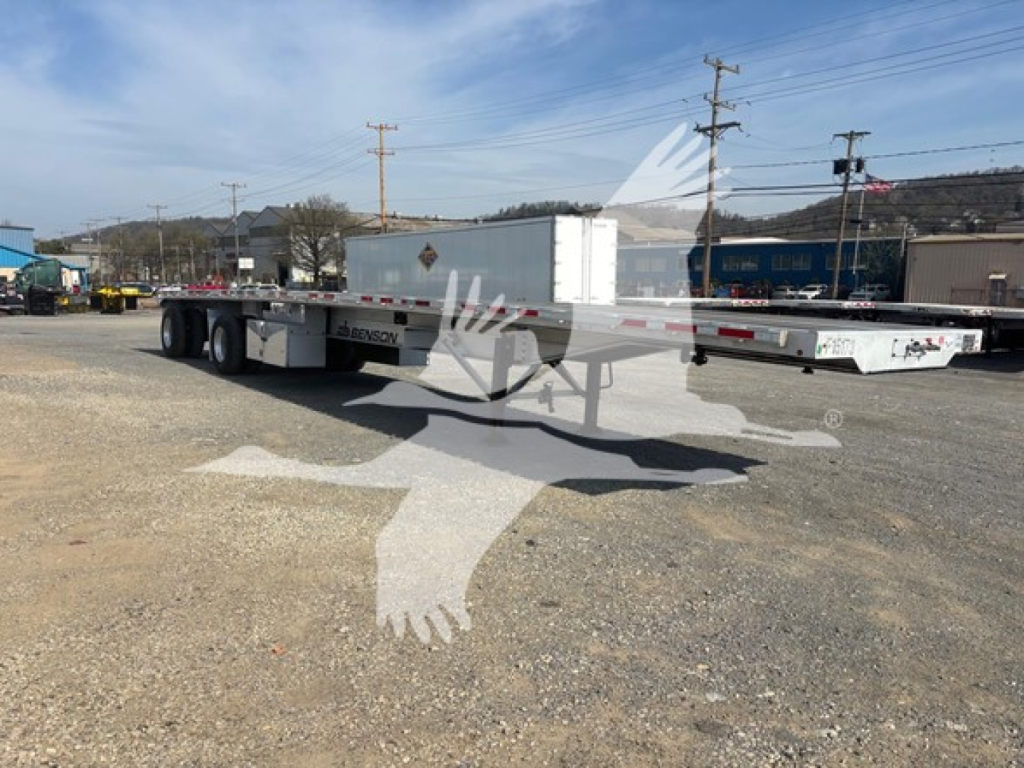
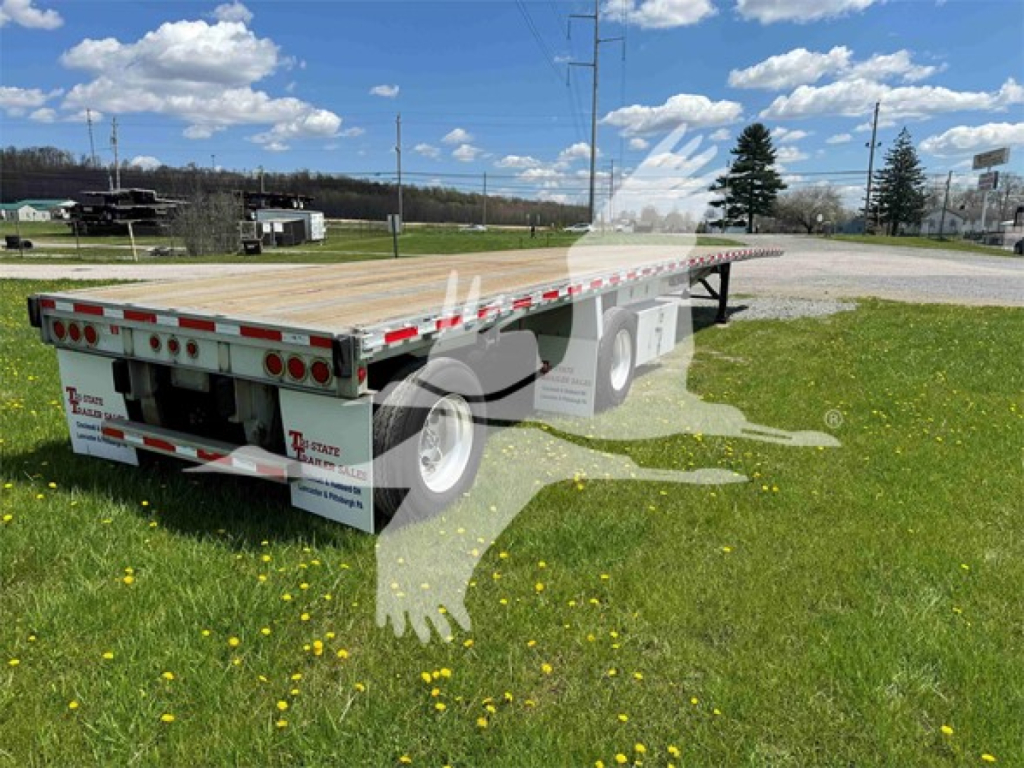
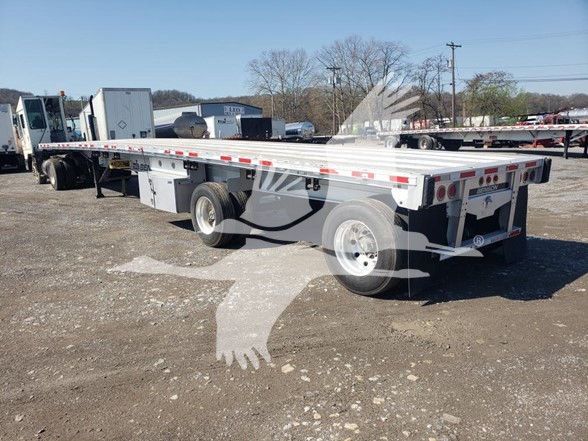
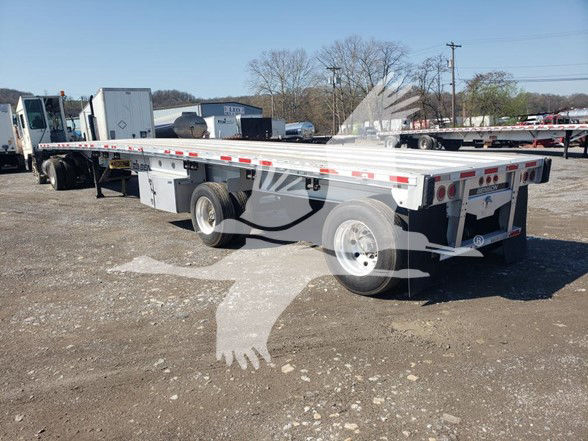
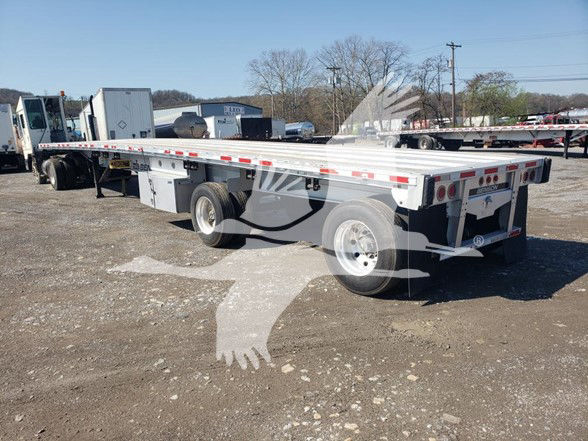
Have 2015 flatbed trailer to sell? List it here to reach thousands of buyers.
2015 Flatbed Trailers in Pennsylvania
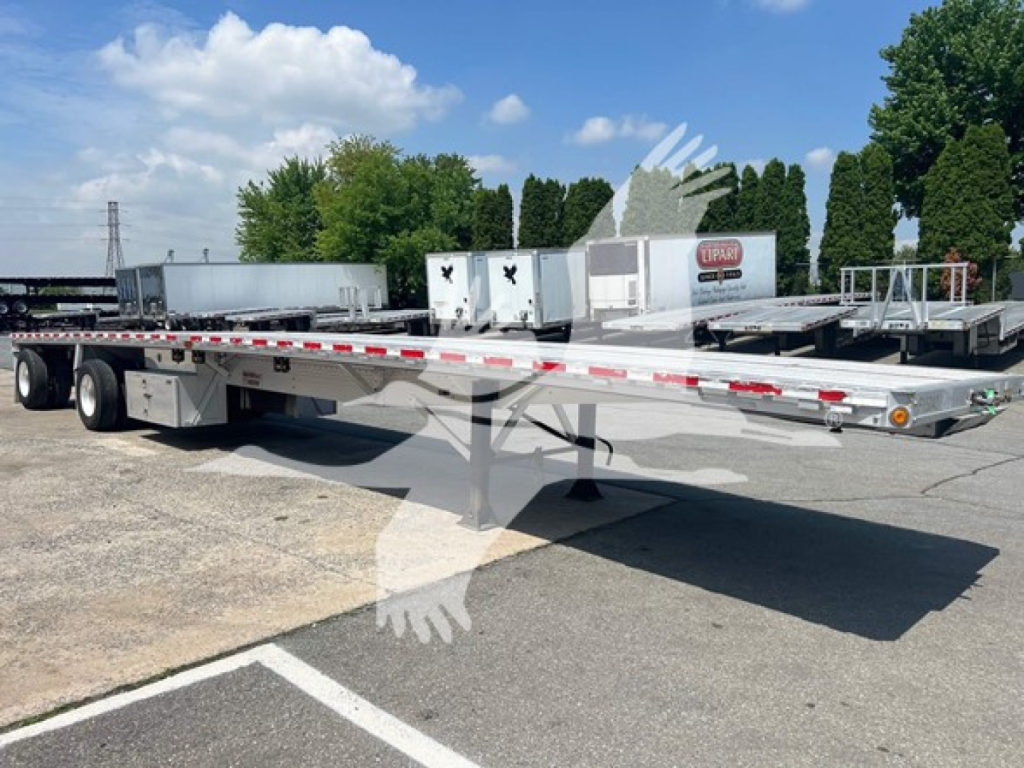
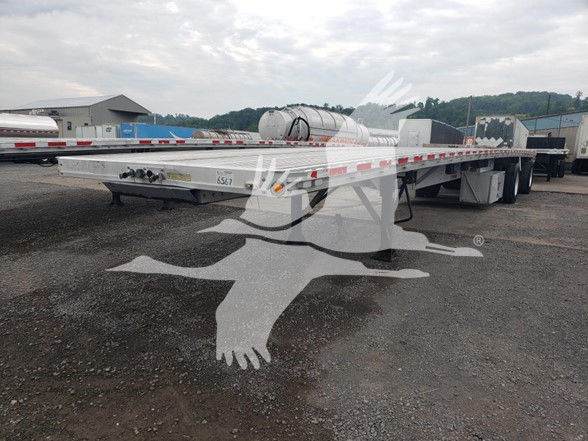
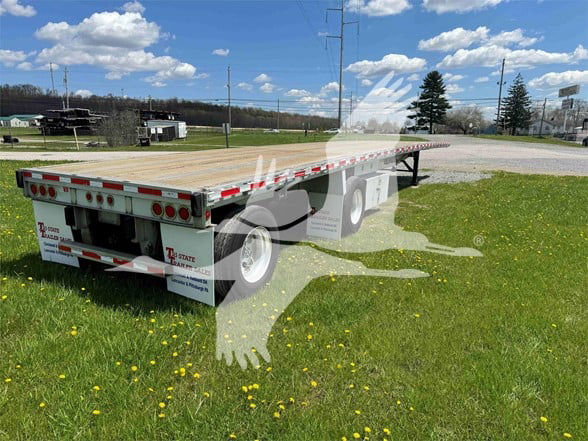
For most buyers, the real difference is in how the trailer is built to handle the freight. A 2015 flatbed may have an aluminum floor with apitong nailer strips, a full apitong deck, or a mixed-spec setup intended for steel, machinery, building products, or palletized freight. Crossmember spacing matters if you plan to haul concentrated loads, forklifts, or coils. Coil packages, extra crossmembers, pipe spools, winch tracks, sliding winches, and chain tie-down layouts all affect day-to-day usability. Spread axle flatbeds are common for maximizing bridge compliance and load distribution, while slider suspensions can offer flexibility for varying state weights, dock positions, and load placement.
Pennsylvania buyers should pay close attention to frame condition, floor wear, side rail damage, and corrosion around crossmembers, suspension hangers, landing gear mounts, and light wiring. Salt, moisture, and seasonal road treatment can be hard on older trailers, especially in high-mile regional service. Air ride suspensions are popular for more delicate freight and better ride quality, while spring ride trailers remain attractive for simpler maintenance and lower acquisition cost. Check kingpin wear, bushing condition, brake components, tire size consistency, and whether the trailer has the beam rating or concentrated load rating your freight requires.
A good 2015 flatbed trailer still fits a wide range of open-deck work, including steel, lumber, machinery, pipe, precast, and general construction materials. Buyers comparing listings should look beyond length and price and focus on practical spec details such as 10-foot 2-inch spread, 30-inch kingpin setting, 12-inch crossmember centers, number of sliding winches, and whether the trailer includes features like a coil package, bulkhead, dunnage storage provisions, or tire inflation systems. The best trailer in this category is the one whose deck, axle configuration, and weight rating match the freight you actually haul, not just the one with the lowest purchase price.
Frequently Asked Questions about 2015 Flatbed Trailers in Pennsylvania
What should I look for first on a 2015 flatbed trailer?
Start with structural condition. Inspect the main beams, crossmembers, side rails, rear frame, landing gear area, and kingpin assembly for cracks, repairs, corrosion, or impact damage. After that, check deck condition, suspension wear, brake life, tire condition, wheel seal leaks, and lighting. On a 2015 model, maintenance history and evidence of proper repairs usually matter more than cosmetics.
Is an aluminum 2015 flatbed better than a steel flatbed?
It depends on the freight and operating priority. Aluminum flatbeds usually offer lower empty weight and better resistance to corrosion, which can improve payload and long-term appearance. Steel flatbeds are often favored for rugged service, frequent loading damage, and easier field repair. Combo trailers sit between the two. Buyers hauling legal-weight commodity freight often prefer aluminum, while harsher applications may justify steel or combo construction.
Are spread axle and slider flatbed trailers used for different jobs?
Yes. Spread axle flatbeds are commonly chosen for bridge law compliance and better load distribution on legal highway freight. Slider flatbeds offer more flexibility when axle position needs to change for weight distribution, turning requirements, or customer loading situations. The right choice depends on the states you run, the freight you haul, and how often you need to adjust axle placement.
How important is deck type on a used flatbed trailer?
Deck type is critical because it affects cargo securement, forklift durability, and repair cost. Apitong wood decks remain popular because they provide traction, accept securement well, and are serviceable over time. Aluminum floors reduce weight but may not suit every concentrated-load application unless the trailer has the right crossmember structure or coil package. Buyers hauling steel, machinery, or forklift-loaded freight should pay close attention to floor condition and substructure support.
Can a 2015 flatbed trailer still be a good buy for regional or over-the-road work?
Yes, if the trailer has the right spec and a solid structural foundation. Many 2015 flatbeds remain productive in regional and OTR service because flatbed design is straightforward and repairable. The key is matching the trailer's beam rating, deck setup, suspension, axle configuration, and tare weight to your freight profile. A well-maintained older flatbed can deliver good service life, but deferred maintenance can quickly erase any upfront savings.