
2006 Flatbed Trailers For Sale
Shop 2006 flatbed trailers for hauling steel, lumber, machinery, and building materials. Compare deck length, axle setup, floor type, and suspension.
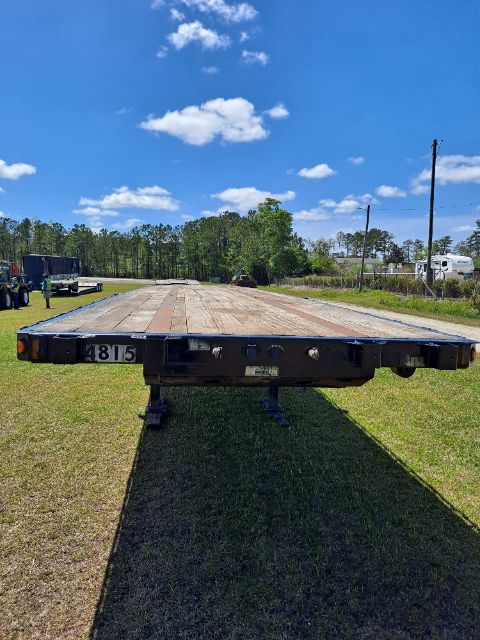
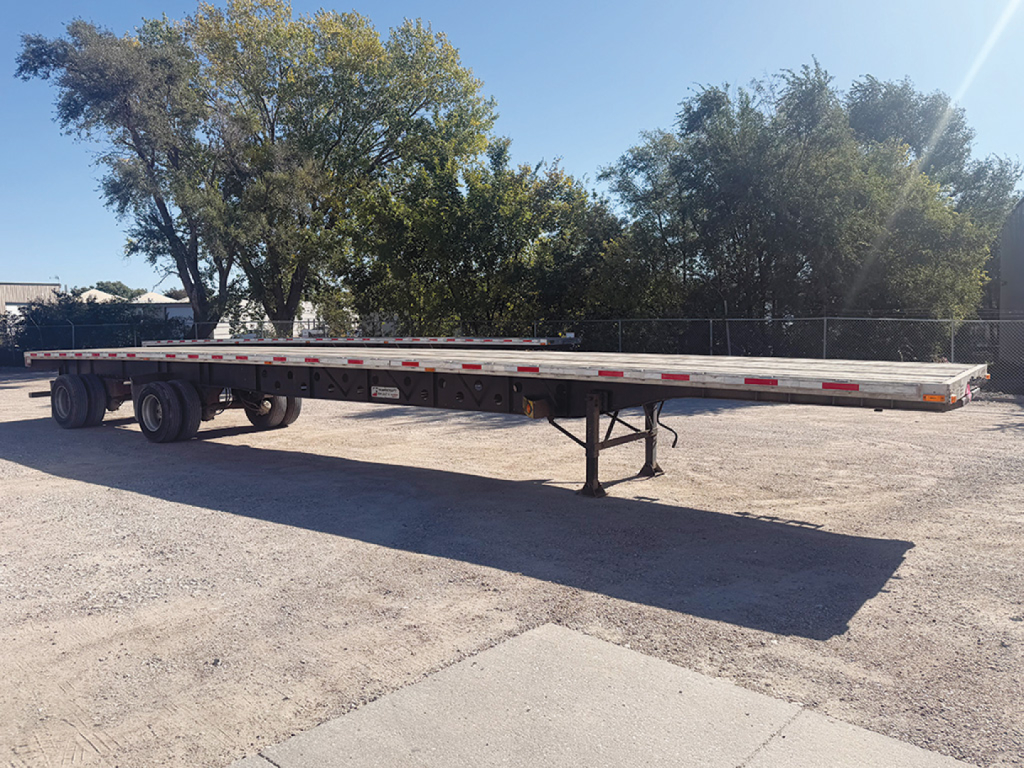
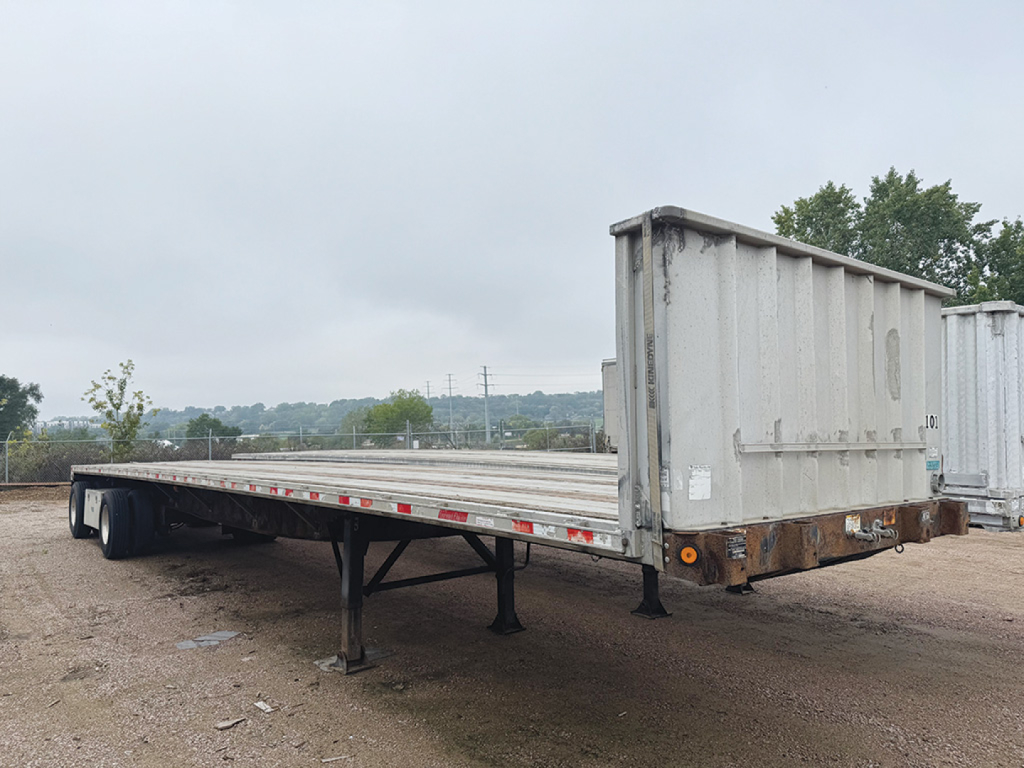
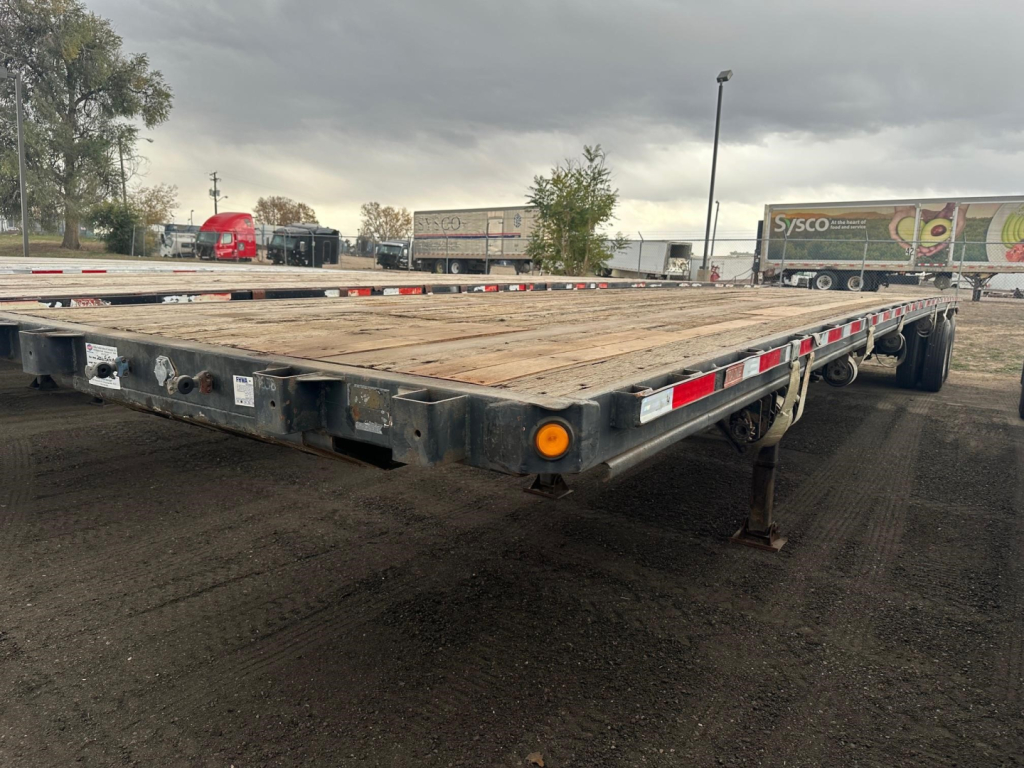

Selling a 2006 flatbed trailer? List your 2006 flatbed trailer for sale and reach thousands of commercial buyers.
2006 Flatbed Trailers
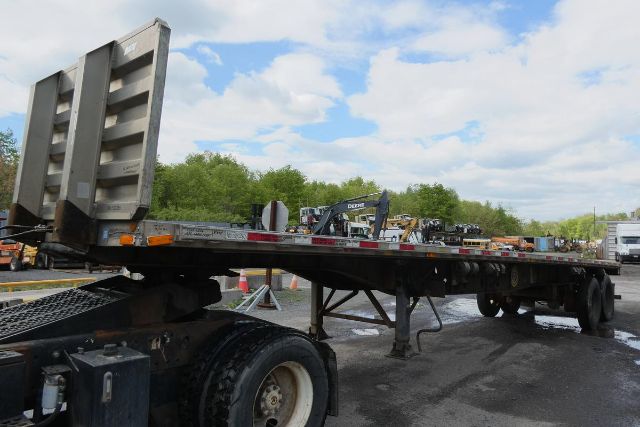
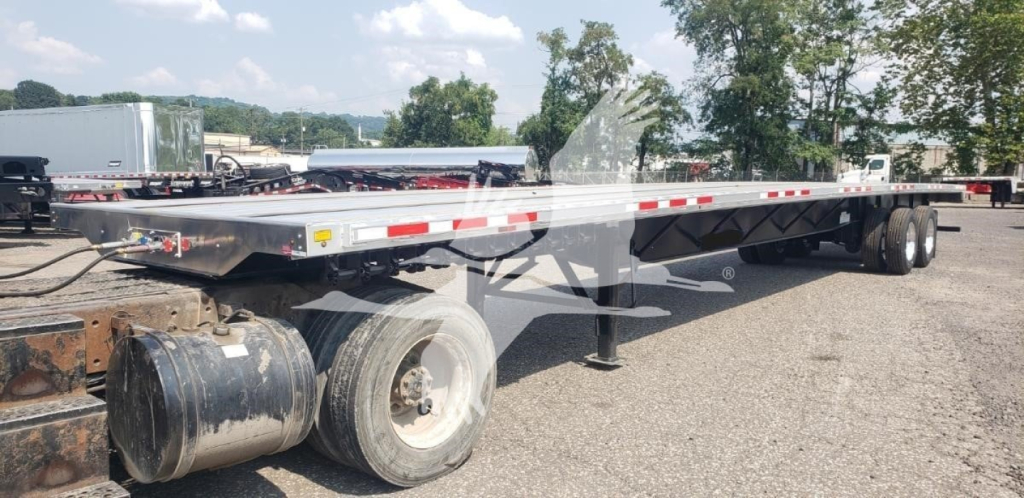
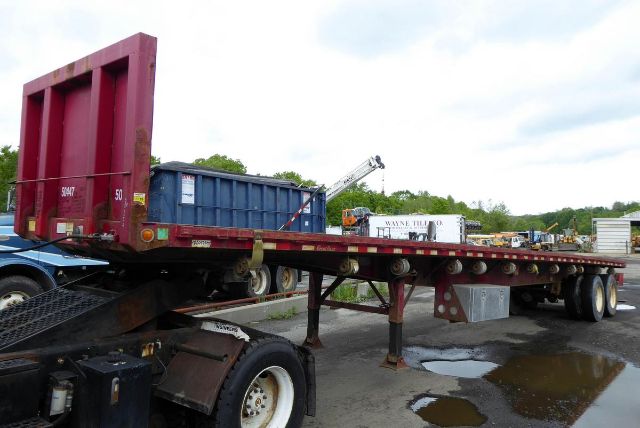
Specs vary widely in this category, even within the same year. Common lengths are 48 and 53 feet, with 102-inch width as the standard. Some 2006 flatbeds were built in aluminum for lower empty weight and better payload, while others were built in steel for durability and lower upfront cost. Flooring is often apitong or another hardwood, though some aluminum deck configurations exist. Suspension can be air ride or spring ride, and axle layouts may include fixed tandems, spread axles, sliders, or specialized extendable designs. A buyer hauling dense freight should look closely at crossmember spacing, coil package reinforcement, beam rating, and tie-down layout, including winches, sliding winches, stake pockets, pipe spools, and rub rail condition.
Application matters more than age alone. A 2006 flatbed set up for general building materials may not be the right trailer for steel coils, precast, or machinery. If the work involves forklifts loading from the side, check deck straightness and floor wear. If the freight is heavy and concentrated, verify published load ratings in 4 feet and 10 feet, inspect for frame sag, and confirm any reinforcements were done correctly. Spread axle and air ride combinations are often preferred for ride quality and bridge compliance, while sliding tandems can offer more flexibility in axle scaling and state-by-state operations. Extendable flatbeds add versatility for long freight but also introduce additional wear points in the extension rails, locks, and wiring.
For a 2006 trailer, maintenance history can be the difference between a dependable revenue unit and a shop project. Brake components, bushings, slack adjusters, air system condition, wheel-end service records, tire age, and ABS function all deserve close review. Lighting, wiring, and corrosion around connections are common age-related issues. Buyers should also confirm deck legal width, kingpin setting, landing gear operation, and overall empty weight against intended payload. A well-kept 2006 flatbed can still serve regional construction, steel, agriculture, and equipment hauling operations effectively, provided the trailer has the right structural spec and has not been compromised by years of overloading or poor repairs.
Frequently Asked Questions about 2006 Flatbed Trailers
What should I inspect first on a 2006 flatbed trailer?
Start with the structure. Inspect the main beams, crossmembers, side rails, kingpin area, suspension mounts, and rear frame for cracks, corrosion, weld repairs, or signs of sag. After that, check the deck, winch track, rub rail, landing gear, brakes, tires, and wheel ends. On a trailer of this age, structural condition is usually more important than appearance.
Is an aluminum or steel 2006 flatbed better?
It depends on the freight and cost target. Aluminum flatbeds usually offer lower tare weight and more payload capacity, which helps with legal gross weight on heavier loads. Steel flatbeds are often less expensive to buy and can hold up well in demanding vocational use, but they generally weigh more and may be more prone to corrosion if maintenance was inconsistent. The better choice is the one that matches your freight mix and maintenance plan.
What deck length is most common on used flatbed trailers?
The most common lengths are 48 feet and 53 feet, both typically at 102 inches wide. A 48-foot flatbed is common in general freight and building materials, while 53-foot models are often chosen when maximum deck space matters. Some operations also use extendable flatbeds for long steel, pipe, or oversized machinery that cannot fit on a fixed deck.
Are older flatbed trailers still good for heavy freight?
They can be, but only if the trailer was built for that work and has been maintained properly. Heavy freight applications require attention to beam rating, crossmember spacing, coil package reinforcement, suspension condition, and deck integrity. A 2006 flatbed that has a strong frame, documented repairs, and the right tiedown setup can still handle demanding loads, but buyers should verify the trailer has not been weakened by repeated overloading.
What tiedown features matter most on a used flatbed?
Winch tracks, sliding winches, stake pockets, pipe spools, and rub rails all matter because they determine how easily and safely freight can be secured. Buyers should check for bent or torn stake pockets, damaged rub rails, worn winch tracks, and missing or seized sliding winches. The right tiedown layout depends on the cargo, but a clean and usable securement system is essential on any flatbed trailer.