
2005 Flatbed Trailers For Sale in Texas
Browse 2005 flatbed trailers for sale in Texas. Compare deck length, axle setup, flooring, winch systems, and load securement features.
Learn more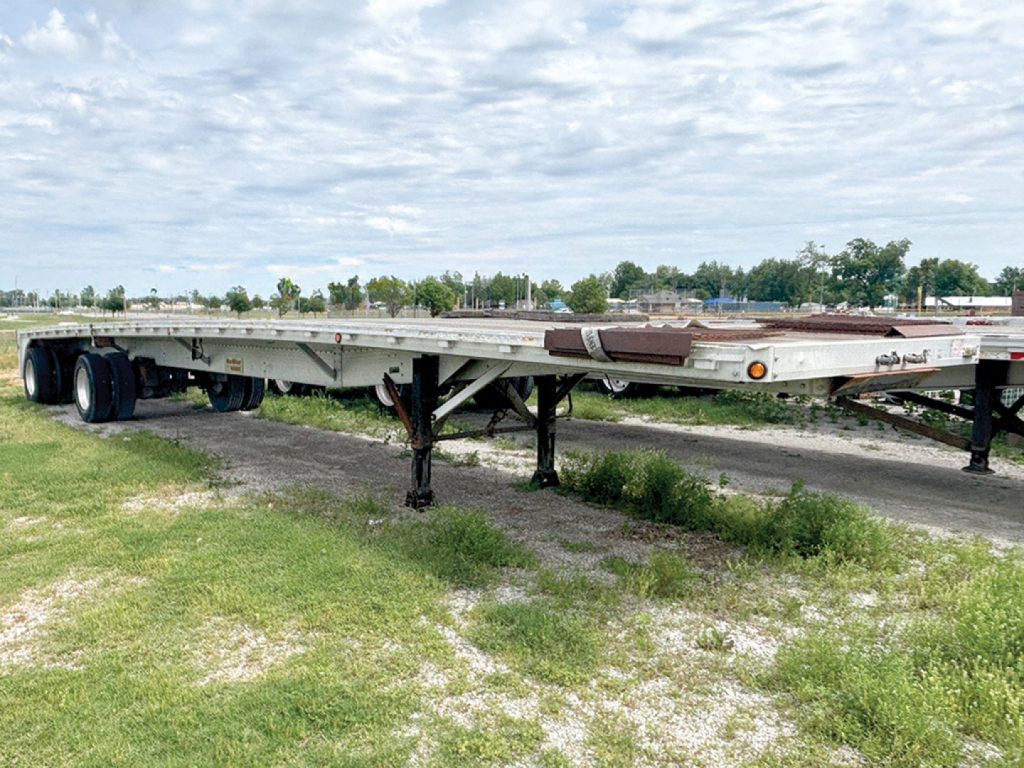
Have 2005 flatbed trailer to sell? List it here to reach thousands of buyers.
About 2005 Flatbed Trailers in Texas
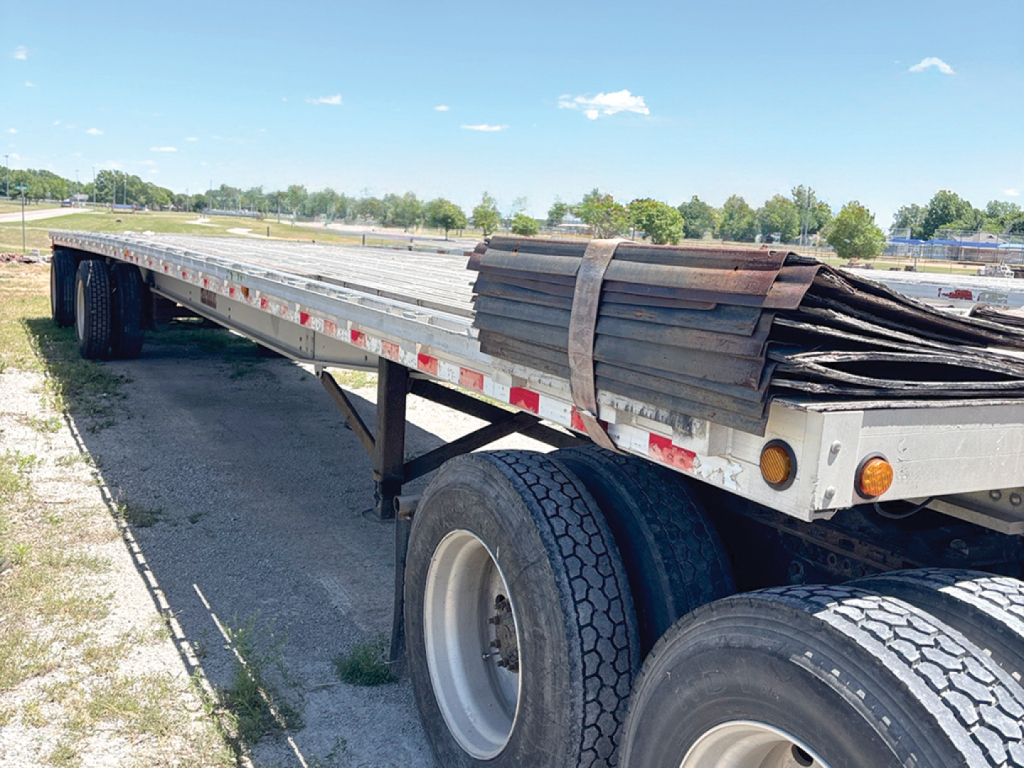
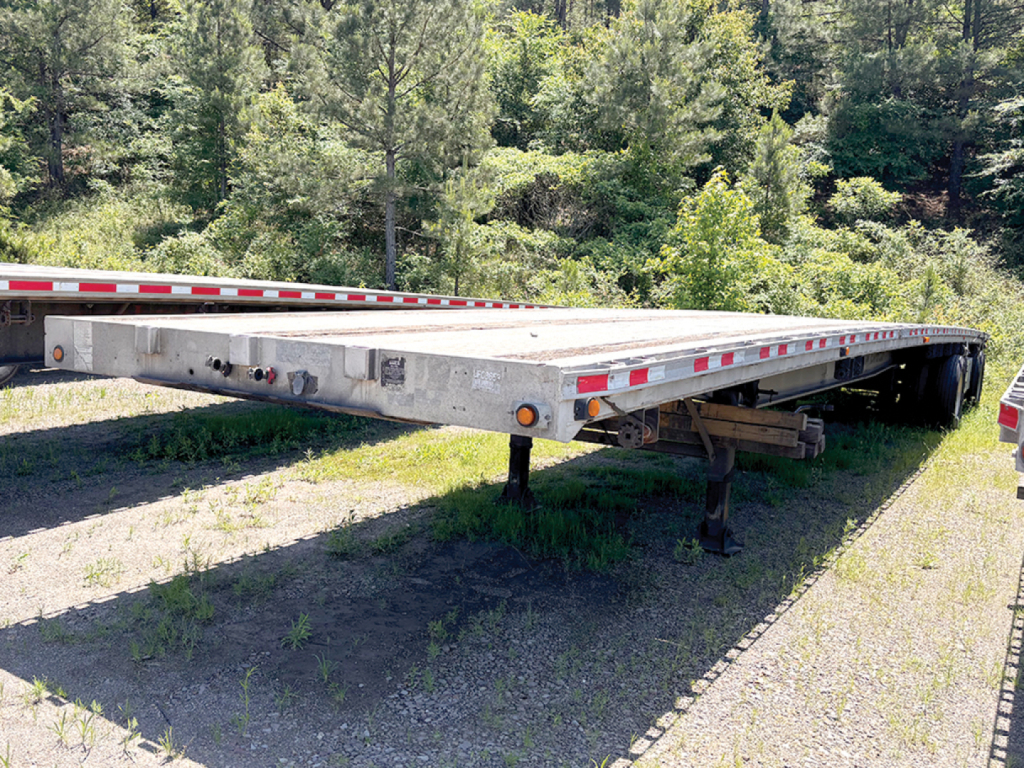
Texas buyers often use flatbed trailers for steel, building materials, machinery, pipe, and general open-deck freight, so securement features matter as much as the basic dimensions. Common specs include sliding winch tracks, stake pockets, rub rails, chain spools, nailer strips, and coil packages. Air ride spread axle configurations are common on road-spec trailers because they help with ride quality and load stability, while tandem axle designs can be easier to maneuver in tighter jobsite or metro delivery conditions. Tire size, wheel type, brake condition, and kingpin setting should all be reviewed closely, especially on a used 2005 model that may have seen regional, heavy-haul, or mixed service.
Deck condition is one of the biggest value drivers in this category. Aluminum floors save weight, but buyers should inspect for gouging, repairs, loose fasteners, and wear around forklift traffic areas. On combo and composite trailers, look for galvanic corrosion where different metals meet and check high-stress points around landing gear mounts, suspension hangers, and rear impact structures. If the trailer has a coil package, bulkhead, toolbox, or tire inflation system, confirm those components are complete and serviceable because replacement cost adds up quickly.
A good 2005 flatbed trailer is usually judged by straightness, remaining deck life, brake and suspension history, and whether the spec matches the freight you intend to haul. For general freight, a clean standard flatbed with solid winch track and usable deck may be the right fit. For steel or dense commodities, a trailer with a coil package and heavier-duty securement hardware is more appropriate. Buyers comparing older flatbeds should think beyond price alone and weigh empty weight, maintenance history, and repairability against the lanes and commodities the trailer will actually run.
Frequently Asked Questions
What should I inspect first on a 2005 flatbed trailer?
Start with the frame, crossmembers, suspension hangers, landing gear mounts, and deck surface. On a used flatbed of this age, structural condition matters more than cosmetics. Check for cracks, bent rails, poor weld repairs, corrosion, uneven tire wear, and brake component wear. The condition of the floor, winch track, stake pockets, and rub rail also tells you a lot about how the trailer was used and how much reconditioning it may need.
Are aluminum flatbed trailers better than steel or composite models?
Aluminum flatbeds are lighter and usually offer better corrosion resistance, which helps maximize payload and reduce long-term rust issues. Steel trailers are typically heavier but can be easier to repair in some operations. Aluminum-steel composite trailers aim to balance weight savings with durability in high-stress areas. The right choice depends on freight type, repair resources, and how important tare weight is in your operation.
What axle setup is common on used flatbed trailers?
Many used flatbed trailers are equipped with tandem axle or spread axle configurations. Spread axles are common on highway freight because they can improve load distribution and ride quality, but they may scrub tires more in tight turns. Tandem axle setups are often easier to maneuver and may fit better in operations with frequent urban deliveries, tighter docks, or yard movement. The best axle setup depends on routing, weight distribution, and state bridge considerations.
Why is a coil package important on a flatbed trailer?
A coil package is designed for hauling steel coils safely by providing dedicated securement and support features for concentrated heavy loads. If you plan to move steel or similar dense freight, a trailer with a coil package is usually the better choice because it is built to handle that application more effectively. If your freight is mostly lumber, machinery, or palletized open-deck freight, a standard flatbed may be sufficient without the added specialization.
How important is deck length on a flatbed trailer?
Deck length directly affects the types of loads you can legally and efficiently haul. Forty-eight-foot flatbeds remain common in many fleets and work well for a wide range of freight. Fifty-three-foot trailers provide more deck space for lighter or longer commodities, but load distribution and state regulations still matter. Buyers should match deck length to the freight profile, loading method, and route requirements rather than assuming longer is always better.